
Low recovery rates waste valuable lithium, nickel, cobalt, and manganese. These losses increase processing costs and weaken material security. Efficient extraction equipment offers a practical solution.
Efficiency and recovery rates in lithium battery recycling depend on process design, extraction stability, phase separation accuracy, and corrosion-resistant equipment. A well-designed recycling system can improve metal recovery, reduce reagent loss, support continuous operation, and help recycling enterprises obtain higher-value battery materials with more consistent quality.
Strong recycling performance requires more than collection. It depends on stable separation and controlled recovery.
Inhaltsübersicht
Why Efficiency Matters in Lithium Battery Recycling
Lithium battery recycling has become increasingly important as electric vehicles, energy storage systems, and portable electronics continue to expand worldwide. Used lithium-ion batteries contain valuable metals such as nickel, cobalt, lithium, manganese, copper, and aluminum. These materials can return to the battery supply chain when recycling processes are properly designed and controlled.
However, the actual value of recycling depends strongly on how efficiently these metals are separated, purified, and recovered.
In many recycling plants, the main challenge is not simply collecting spent batteries. The greater challenge appears after pretreatment, leaching, and solution preparation. Mixed metal solutions often require precise extraction and separation steps before they can become high-purity raw materials for battery precursors or other industrial applications.
If the extraction system is unstable, the process may cause:
- ⚠️ Higher chemical consumption
- ⚠️ More wastewater generation
- ⚠️ Lower metal recovery rates
- ⚠️ Increased operating costs
- ⚠️ Unstable product quality
Recovery Rate: A Core Indicator of Recycling Value
Recovery rate is one of the most direct indicators of recycling performance. A higher recovery rate means that more valuable metals are retained during processing instead of being lost in residues, wastewater, or intermediate streams.
For enterprises handling nickel, cobalt, lithium, and manganese, even a small improvement in recovery can create a significant economic difference at industrial scale. This is why advanced extraction equipment und optimized process design are essential in modern battery recycling projects.
Efficiency should be understood from several dimensions:
- ✅ Extraction efficiency: how effectively target metals are transferred from one phase to another
- ✅ Separation efficiency: whether different metals can be separated with high selectivity
- ✅ Operational efficiency: continuous production, equipment stability, maintenance frequency, reagent consumption, and energy use
A recycling system must balance all these factors to achieve reliable long-term results.
Extraction Equipment and Process Stability
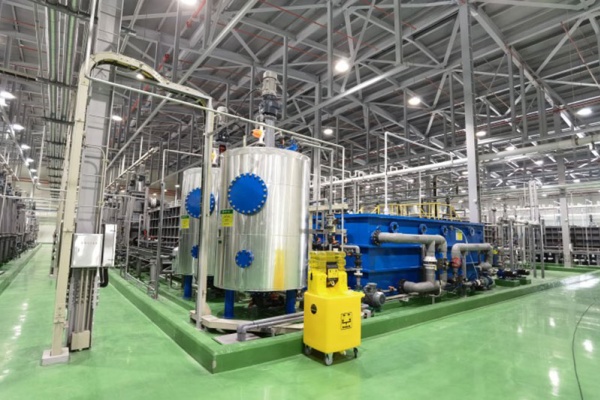
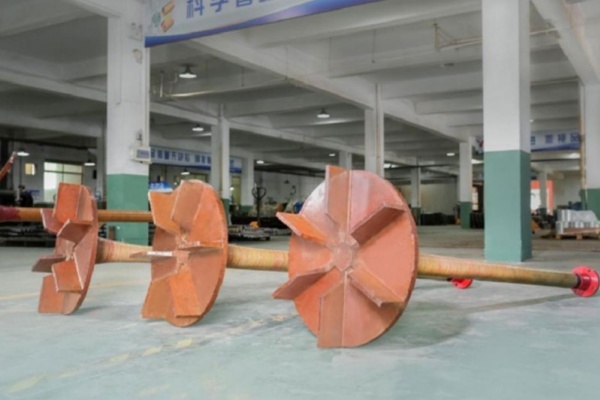
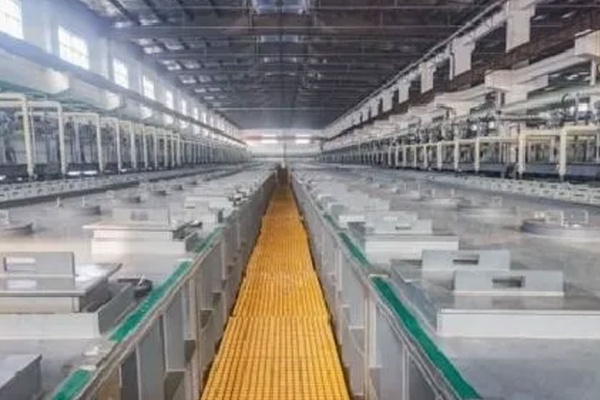
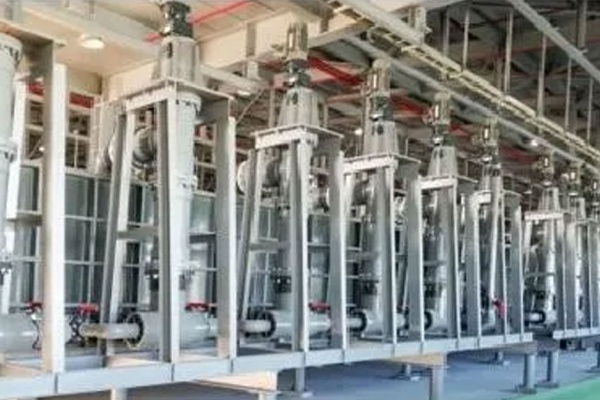
Röhrenmischabzüge are highly relevant in lithium battery recycling because they are designed for efficient liquid-liquid extraction applications. In metal recovery processes, metal-containing solutions often require controlled mixing and rapid phase separation.
Proper mixing improves mass transfer, while stable separation reduces entrainment and material loss. When equipment design is matched with the characteristics of the solution, the recycling line can achieve:
- ✅ Better recovery rates
- ✅ More stable operation
- ✅ Lower material loss
- ✅ More consistent product quality
Micro-interface oil removal systems and related separation technologies may also support recycling and chemical processing lines where impurity control is required. Oil, organic residues, suspended substances, and unwanted phases can interfere with downstream extraction or purification.
Removing these impurities helps protect the extraction process, improve phase clarity, and reduce the risk of abnormal operation. In high-value metal recovery, clean process conditions directly influence both efficiency and final material quality.
Corrosion Resistance and Long-Term Operation
Equipment materials are also critical. Battery recycling solutions can be acidic, alkaline, or corrosive depending on the process route. Corrosion may cause leakage, contamination, downtime, and safety risks.
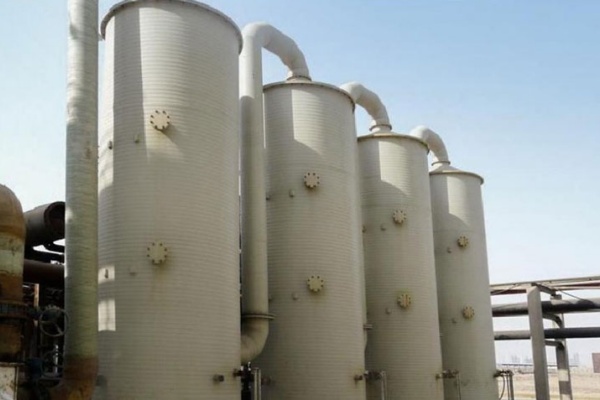
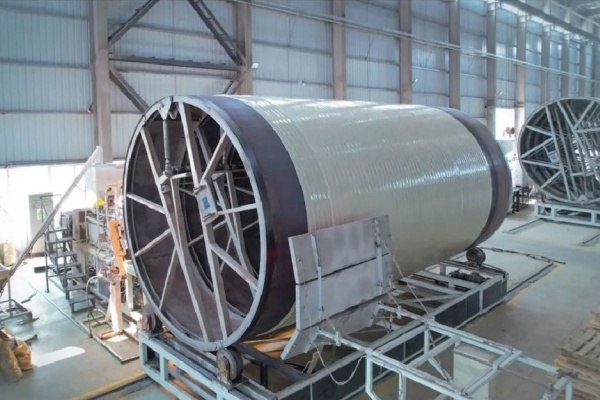
Therefore, corrosion-resistant tanks, PPH or HDPE storage tanks, plastic sheets, and customized piping systems are important supporting components. Durable equipment helps maintain stable operation and reduces the possibility of unplanned shutdowns.
For recycling companies, stable equipment provides several practical benefits:
- 🛡️ Reduced corrosion risk
- 🛡️ Longer equipment service life
- 🛡️ Lower maintenance pressure
- 🛡️ Safer continuous operation
- 🛡️ Better process reliability
Customized Solutions for Different Battery Chemistries
Customization is another key factor affecting recycling efficiency. Different recycling enterprises may process different battery chemistries, including NCM, LFP, or mixed battery waste. Their feed composition, impurity levels, production capacity, and target products may vary.
A standardized equipment package may not fully meet these conditions. Customized process design, equipment layout optimization, and material selection can help the system match the actual recycling route more effectively.
For lithium battery recycling companies, customized equipment solutions unterstützen kann:
- ⚙️ Process route matching
- ⚙️ Equipment layout optimization
- ⚙️ Material selection according to corrosion conditions
- ⚙️ Capacity planning for continuous production
- ⚙️ Integration with wastewater and waste gas treatment systems
Environmental and Supply Chain Benefits
High recovery rates also support environmental goals. When more metals are recovered, fewer valuable resources enter waste streams. Efficient systems can reduce chemical waste, wastewater treatment pressure, and overall environmental burden.
This is especially important for companies serving battery materials, electric vehicles, energy storage, and circular economy markets, where environmental compliance and sustainability are core purchasing considerations.
Reliable equipment also affects supply chain performance. Battery material manufacturers and recycling companies often operate under long-term delivery schedules. Delays caused by unstable equipment, corrosion, poor separation, or excessive maintenance can affect downstream customers.
Therefore, buyers usually pay attention not only to initial equipment price but also to:
- 📌 Long-term stability
- 📌 Process reliability
- 📌 Environmental compliance
- 📌 Engineering support
- 📌 Customized design capability
TYIC Solutions for Battery Recycling Applications
Hangzhou Tianyicheng New Energy Technology Co., Ltd. provides Entwurfs-, Herstellungs- und Installationsdienstleistungen for extraction equipment, environmental protection equipment, plastic sheets, mixing equipment, and corrosion-resistant tanks.
For lithium battery recycling and non-ferrous metal processing applications, TYIC focuses on:
- Prozessgestaltung
- Equipment layout optimization
- Auswahl des Materials
- EPC engineering support
- Customized manufacturing
- Environmental protection system integration
These capabilities help industrial users build systems that are more suitable for continuous metal recovery, stable extraction, and environmental compliance.
In practical recycling projects, efficiency and recovery rates should be evaluated together. A process with high recovery but unstable operation may still create cost and delivery risks. A fast process with poor selectivity may reduce product purity and increase downstream treatment requirements.
The ideal recycling system should achieve:
- ✅ Stable extraction
- ✅ Accurate separation
- ✅ Corrosion resistance
- ✅ Manageable maintenance
- ✅ Consistent output quality
- ✅ Long-term operating value
As the battery recycling industry continues to grow, competition will depend on more than processing capacity. Enterprises will need stronger technical control, better environmental performance, and higher resource utilization.
Efficient extraction and separation equipment can help recycling companies improve metal recovery, reduce losses, and strengthen their position in the battery materials supply chain.
Efficient recycling depends on stable extraction, corrosion-resistant equipment, and customized process design for higher recovery and long-term value.
 Deutsch
  English
  Français
  Português
  Español
  Italiano