
Battery recyclers face complex waste streams, stricter environmental rules, and unstable metal recovery. If these problems continue, costs rise and compliance risks increase. Advanced extraction and environmental protection systems provide the solution.
The EV battery recycling shift is changing the industry from waste treatment to high-value resource recovery. With efficient extraction, corrosion-resistant systems, wastewater control, and customized engineering, recycling companies can recover nickel, cobalt, lithium, manganese, and other metals more reliably while meeting higher environmental standards.
This shift is reshaping plant design, supplier selection, and long-term competitiveness.
Table of Contents
⚡ 1. EV Battery Recycling Is Entering a New Stage
The growth of electric vehicles has created a large volume of retired lithium-ion batteries. These batteries contain valuable metals such as nickel, cobalt, lithium, manganese, and copper.
Battery recycling is no longer only waste disposal. It is becoming a strategic resource recovery system for the new energy industry.
However, recycling plants must handle:
- Different battery chemistries
- Unstable material composition
- Corrosive process media
- Strict wastewater and emission standards
This is why companies need more complete solutions, including process design, extraction equipment, corrosion-resistant tanks, and environmental treatment systems.
🔋 2. Metal Recovery Must Be Efficient and Safe
The value of EV battery recycling depends on how efficiently metals are recovered. Poor separation may reduce material value, increase purification difficulty, and raise operating costs.
At the same time, many recycling processes use acidic, alkaline, or corrosive liquids. Unsuitable equipment may cause:
- Corrosion
- Leakage
- Frequent maintenance
- Unstable operation
- Safety risks
For long-term production, recycling companies need equipment that supports stable performance, high recovery efficiency, and strong corrosion resistance.
🧪 3. Extraction Equipment Will Become More Important
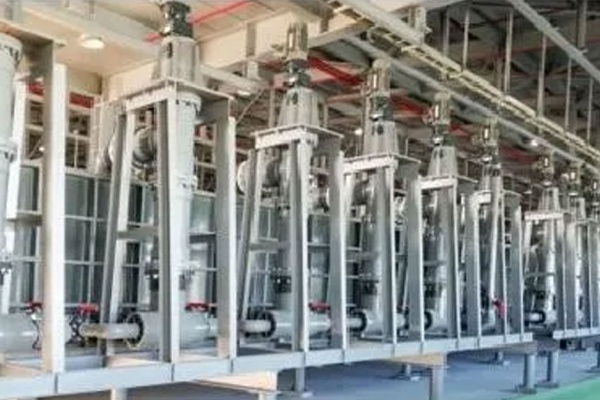
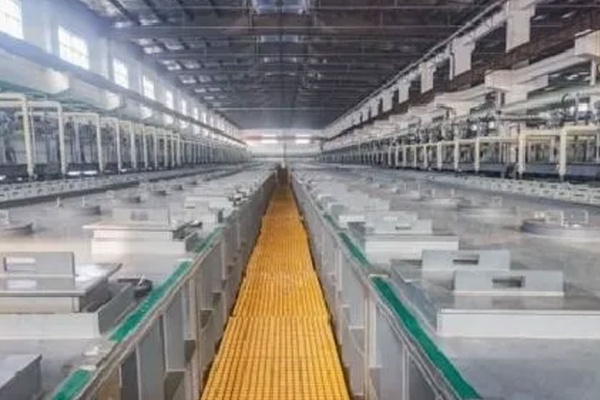
Extraction equipment is a core part of modern battery recycling. In hydrometallurgical processes, liquid-liquid extraction helps separate target metals from complex solutions.
Tubular mixing extractors can support:
- Continuous operation
- Efficient mixing
- Mass transfer
- Stable extraction performance
For recycling companies, better extraction means higher recovery value and more stable product quality.
Different recycling projects may require different process conditions. Therefore, extraction systems should be customized according to production capacity, solution characteristics, metal recovery targets, and plant layout.
🌱 4. Environmental Protection Is No Longer Optional
EV battery recycling must control both resource recovery and environmental impact. Wastewater, waste gas, and chemical residues must be treated properly before discharge.
If environmental systems are weak, companies may face:
- Compliance pressure
- Production restrictions
- Higher operating risks
- Reputation damage
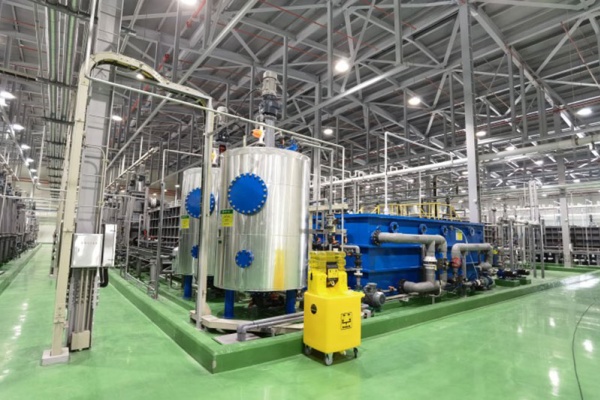
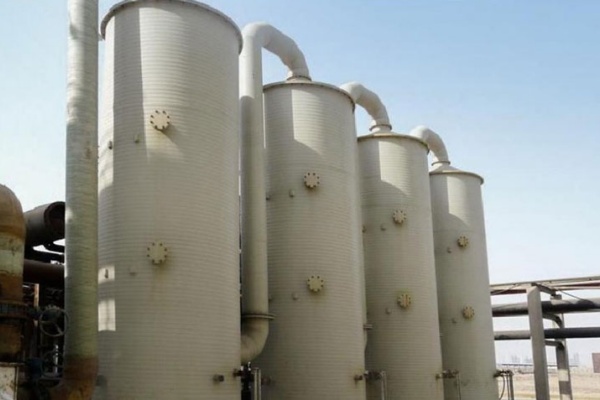
Wastewater treatment systems help manage process water containing metal ions or chemical residues. Waste gas treatment systems help control emissions from production and chemical handling areas.
For future recycling plants, environmental protection will be a basic requirement for market access, customer trust, and sustainable operation.
🛡️ 5. Corrosion-Resistant Systems Support Stability
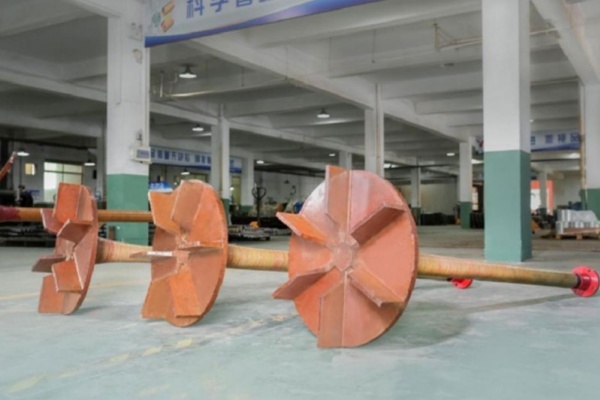
Battery recycling environments can be highly corrosive. Tanks, pipelines, sheets, and mixing equipment must withstand chemical exposure during long-term operation.
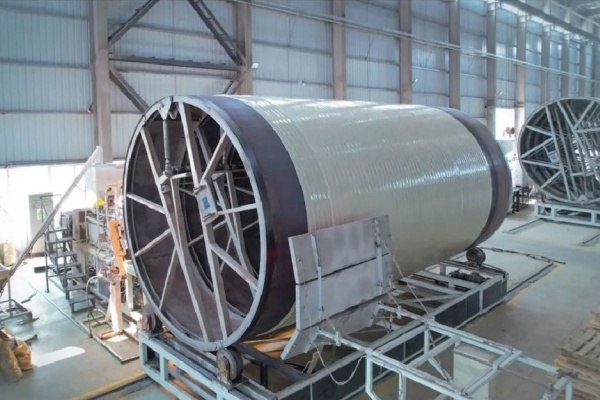
Materials such as PPH and HDPE are commonly used in corrosion-resistant industrial applications. In recycling projects, PPH/HDPE storage tanks, plastic sheets, and corrosion-resistant tanks can help improve service life and safety.
Reliable material selection should consider:
- Chemical concentration
- Temperature
- Storage volume
- Installation environment
- Expected service life
A stable corrosion-resistant system reduces maintenance and supports continuous production.
🏭 6. Customization Will Decide Project Success
No two EV battery recycling projects are exactly the same. Feedstock, capacity, process route, discharge requirements, and plant layout may all be different.
A customized solution can include:
- Process design
- Equipment manufacturing
- Material selection
- Layout optimization
- Installation support
- Environmental system integration
When each system is properly matched, the recycling plant can operate more efficiently and reliably.
This is especially important for projects involving metal extraction, chemical storage, mixing, wastewater treatment, and waste gas control at the same time.
🌍 7. What This Means for Battery Material Companies
Battery material companies are paying more attention to recycling because recovered metals can support supply chain security and sustainability goals.
For producers of cathode materials, precursors, and battery components, recycling supports the circular economy and reduces dependence on primary raw materials.
These companies usually value suppliers with:
- Quality control
- Technical capability
- Environmental compliance
- Reliable delivery
- Long-term service capacity
Price remains important, but stable equipment performance and compliance capability are becoming more important in supplier selection.
🔧 8. The Role of TYIC in This Industrial Change
Hangzhou Tianyicheng New Energy Technology Co., Ltd. provides equipment and engineering support for new energy, environmental protection, chemical manufacturing, and non-ferrous metal processing industries.
Its product scope includes:
- Extraction equipment
- Tubular mixing extractors
- Micro-interface oil removal systems
- PPH/HDPE storage tanks
- Waste gas and wastewater treatment systems
- Plastic sheets
- Mixing equipment
- Corrosion-resistant tanks
TYIC supports customers with design, manufacturing, and installation services. Its solutions can be customized according to process needs, equipment layout, material selection, and environmental treatment requirements.
For lithium battery recycling companies, this integrated support helps improve metal recovery efficiency, corrosion resistance, environmental compliance, and operational stability.
🚀 9. The Future of EV Battery Recycling
The EV battery recycling shift will change how companies design plants, select suppliers, and evaluate long-term value.
The industry is moving toward:
- High-efficiency resource recovery
- Strict environmental control
- Corrosion-resistant infrastructure
- Customized engineering systems
- Long-term operational reliability
Companies that invest in advanced extraction systems, environmental protection equipment, and corrosion-resistant solutions will be better prepared for future market requirements.
Those that delay system upgrades may face higher costs, unstable recovery performance, and greater compliance pressure.
EV battery recycling is becoming a high-value industrial system driven by efficiency, compliance, and customized engineering.
 English
  Deutsch
  Français
  Português
  Español
  Italiano