
Fragmented collection systems, unstable feedstock quality, and regulatory inconsistencies continue to challenge lithium battery recycling, causing resource losses, safety risks, and escalating costs; a coordinated, technology-driven supply chain offers a sustainable solution.
Lithium battery recycling supply chain analysis evaluates how end-of-life batteries move from collection to material recovery, identifying bottlenecks, cost drivers, and environmental risks. It focuses on collection efficiency, logistics, dismantling, extraction technologies, and material reuse. Optimizing this supply chain improves recovery rates, lowers emissions, stabilizes raw material supply, and supports sustainable growth of the new energy industry.
By examining each stage in detail, stakeholders can identify value creation points and critical constraints that determine long-term competitiveness.
Inhaltsübersicht
🔹 Upstream: Battery Generation and Collection
The upstream stage begins with battery generation, mainly from electric vehicles (EVs), energy storage systemsund consumer electronics. Among these, EV batteries represent the fastest-growing waste stream due to global electrification policies. However, collection efficiency remains uneven, directly impacting recycling capacity and material recovery volumes.
Key upstream challenges include:
-
Incomplete collection networks, especially in emerging markets
-
Safety risks from informal dismantling and storage
-
Lack of traceability, leading to material loss and compliance issues
Another critical issue is battery design diversity. Variations in chemistry, size, and module structure significantly increase dismantling complexity and costs. Without upstream standardization and data sharing—such as battery passports and digital tracking systems—recyclers face unstable feedstock supply and inefficient planning.
🔹 Midstream: Transportation, Dismantling, and Pretreatment
The midstream segment connects collection with material recovery and represents a major cost and risk concentration zone. Lithium batteries are classified as hazardous goods, requiring strict transportation controls to prevent fires, leakage, and regulatory violations.
Key midstream processes include:
-
⚠️ Safe transportation and storage
-
⚙️ Battery discharging and dismantling
-
🔧 Shredding, sorting, and physical separation
Manual dismantling ensures high purity but is labor-intensive and expensive. Automated systems improve efficiency and safety but require high upfront investment and precise engineering design. Importantly, pretreatment quality directly determines downstream recovery efficiency. Poor separation increases chemical consumption, metal loss, and waste generation.
🔹 Downstream: Material Extraction and Refining
Downstream operations focus on recovering high-value metals such as lithium, nickel, cobalt, manganese, and copper. This stage defines the economic viability of the entire recycling supply chain.
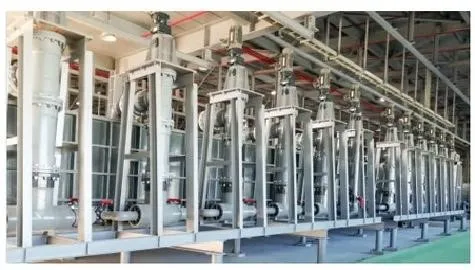
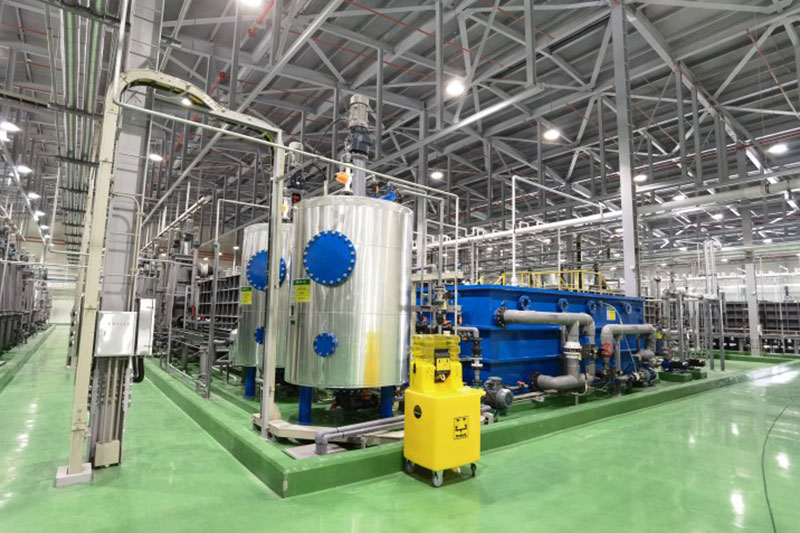
Currently, hydrometallurgical processes dominate due to their:
-
✔️ High recovery rates
-
✔️ Adaptability to multiple chemistries
-
✔️ Relatively lower energy consumption
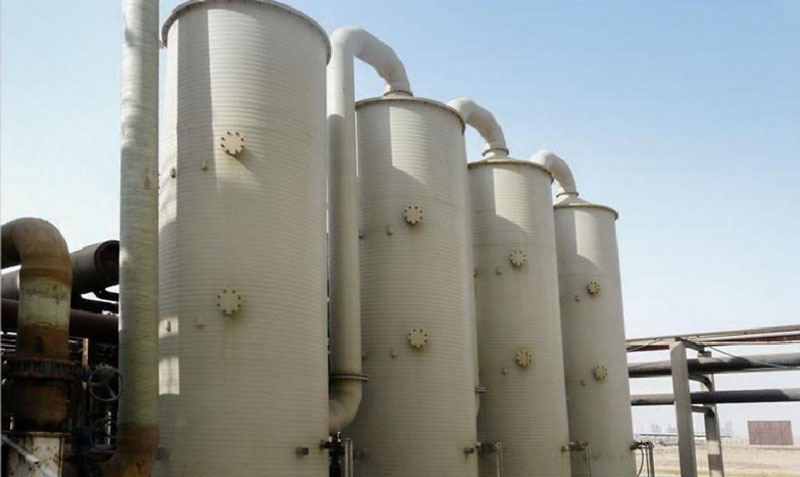
However, these processes generate wastewater, waste gas, and residues, making environmental protection systems essential. Moreover, battery manufacturers require high-purity recovered materials for closed-loop reuse. Inconsistent quality reduces market acceptance and pricing power, highlighting the need for tight coordination between recyclers and material producers.
🔹 Supply Chain Risks and Constraints
Several systemic risks affect lithium battery recycling supply chains:
-
📜 Regulatory uncertainty across regions
-
📉 Metal price volatility, impacting profitability
-
🧪 Technologische Lücken in automation and environmental control
Recyclers lacking integrated process design, advanced equipment, and compliance systems struggle to scale efficiently. As a result, integrated EPC capabilities—combining engineering, manufacturing, and installation—are becoming a strategic advantage for cost control and delivery reliability.
🔹 Future Trends in Lithium Battery Recycling
The future of lithium battery recycling supply chains is defined by integration, digitalization, and sustainability. Key trends include:
-
🔗 Vertical integration between battery manufacturers and recyclers
-
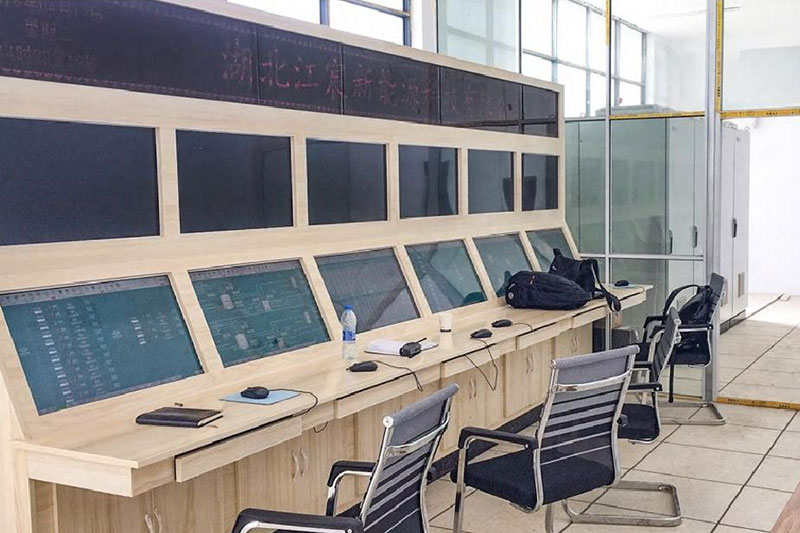
📊 Digital monitoring and traceability systems
-
🌱 Low-emission, energy-efficient extraction technologies
Environmental performance is now a core supply chain metric, not an optional feature. Equipment durability, corrosion resistance, and customization will play a decisive role in enabling large-scale, stable recycling operations that support the circular economy.
A well-optimized lithium battery recycling supply chain reduces risk, maximizes resource value, and enables sustainable growth across the global battery industry.
 Deutsch
  English
  Français
  Português
  Español
  Italiano