
When resource‑intensive extractions fail to isolate pure components, clients face contamination, wasted materials, and rising costs. That risk demands reliable sequential separation — the solution lies in tailored multi‑stage recovery systems.
Sequential separation enables precise isolation of target substances — while minimizing waste and ensuring compliance — in clean‑energy and environmental applications.
Discover how custom-designed extraction and recovery equipment can revolutionize operational efficiency — and cut costs dramatically.
Industrial processes — in sectors such as Batterierecycling, non‑ferrous metals refiningund chemische Produktion — often involve complex mixtures of metals, solvents, oilsund wastewater contaminants.
Without effective separation strategies, these processes suffer from:
-
Low yield
-
Cross‑contamination
-
Regulatory non‑compliance
-
Mounting disposal costs
To overcome these challenges, companies increasingly adopt sequential separations combined with selective recovery — a multi‑stage, engineering‑driven approach that yields high purity, maximizes resource utilization, and reduces environmental impact.
At the heart of this approach is equipment tailored to the specific chemical and physical characteristics of the input stream.
For example, in a lithium‑ion battery recycling process:
-
Shredded materials release a mixture of metal salts, organics, oilsund inert solids.
-
A single‑stage extraction cannot adequately separate these.
-
But a multi‑step flow — Lösemittelextraktion, micro‑interface oil removal, followed by phase separation und targeted precipitation — can isolate critical metals like lithium, cobalt, nickelund manganese with high selectivity.
A typical sequential separation system includes:
✅ Preliminary Pretreatment
— Shredding, washing, and coarse filtration to remove solids and particulates.
✅ Primary Extraction
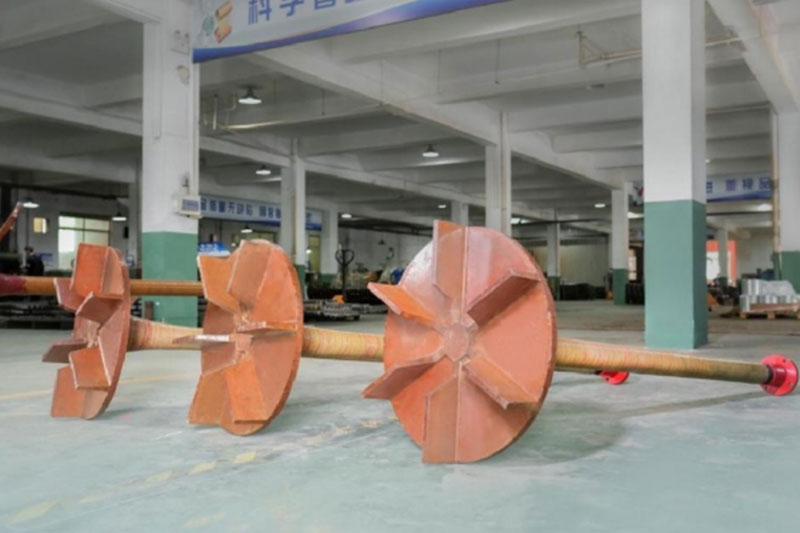
— Solvent introduction via a tubular mixing extractor dissolves target metals.
— Tubular design ensures efficient mass transfer und low solvent use.
✅ Micro‑Interface Oil Removal
— Separates oils, greases, and hydrophobic contaminants.
— Protects downstream separation steps and prevents fouling.
✅ Selective Precipitation or Solvent Switching
— Targeted pH or chemical adjustments cause specific metals to precipitate.
— Enables recovery of high‑purity compounds for battery precursors oder chemical feedstocks.
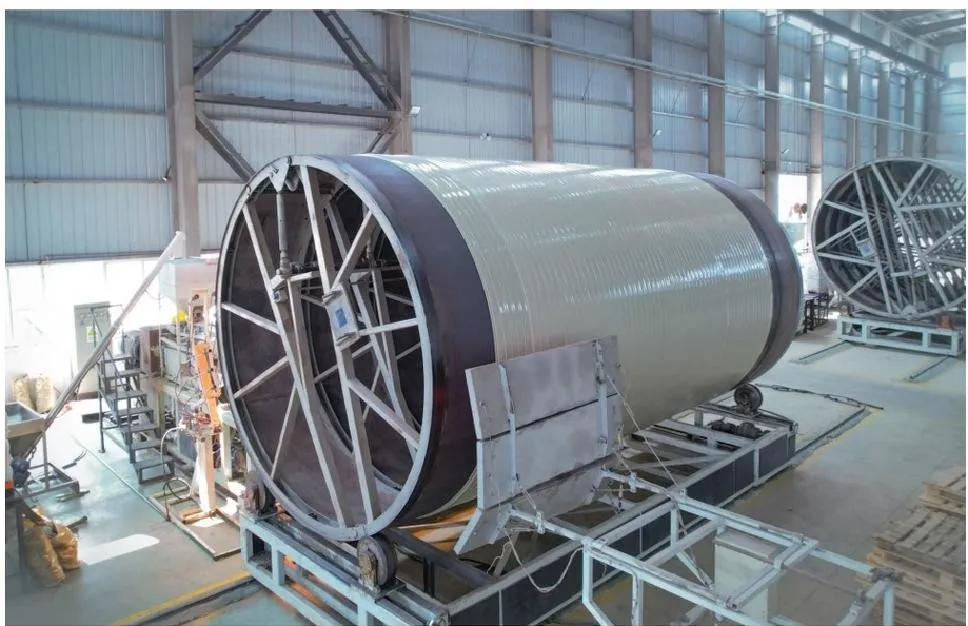
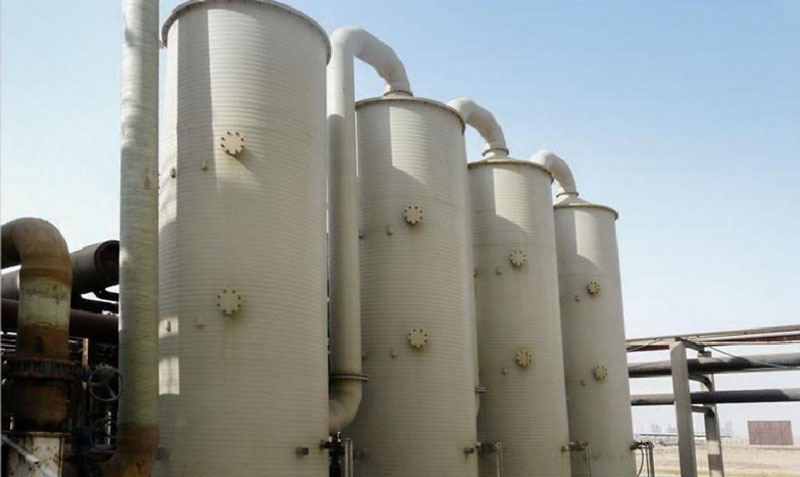
All systems are built using corrosion‑resistant materials such as PPH/HDPE, ensuring durability under acidic or alkaline conditions.
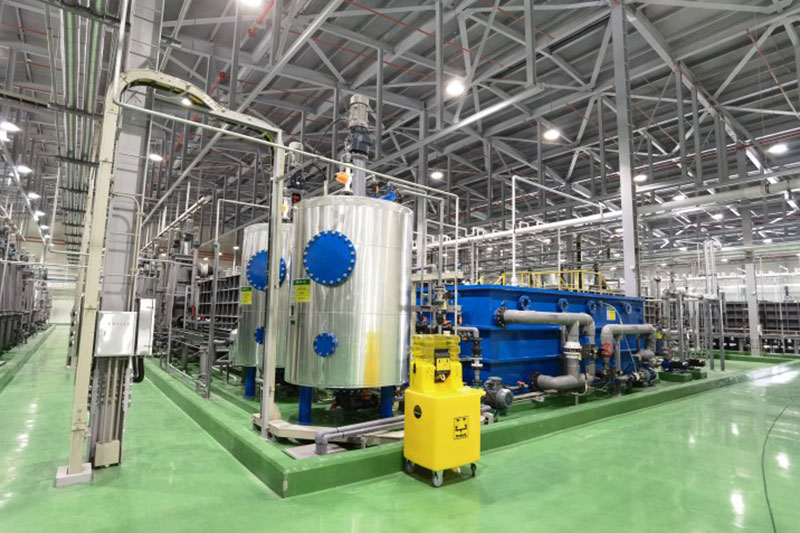
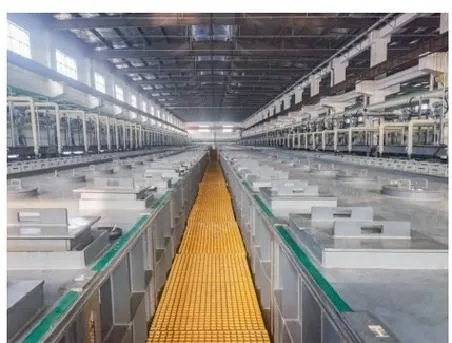
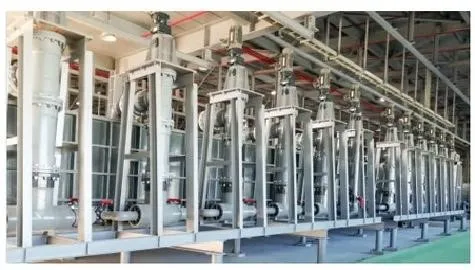
Custom layout designs allow seamless integration of pretreatment, extraction, oil removalund Abwasserklärung within a compact footprint.
Beyond metals recovery, sequential separations are also ideal for:
🔹 Industrial wastewater treatment
🔹 Solvent reclamation
For instance, effluent with dissolved organics, oils, and metals can be treated to:
✅ Recover usable materials
✅ Meet strict discharge regulations
✅ Lower disposal and compliance costs
Key advantages of TYIC’s systems include:
🔧 Modularer Aufbau — Suitable for both pilot‑scale and full‑scale production
🧪 Custom Solvent & Process Tuning — Adapts to changing input compositions
🌍 Nachhaltigkeit — Reuse of materials, reduced chemical consumption, minimal waste
Clients who implement full sequential separation solutions benefit from:
✔️ Reduced raw material and waste handling costs
✔️ Improved purity and process consistency
✔️ Shorter production cycles and enhanced quality control
✔️ Long‑term compliance with environmental standards
Whether it’s battery‑material production, chemical synthesis, or pollution control, TYIC’s engineering‑backed systems combine Leistung, customizationund environmental responsibility — all in one package.
Recover value, ensure compliance, and support tomorrow’s sustainable industries.
 Deutsch
  English
  Français
  Português
  Español
  Italiano