
The global rare earth supply chain faces critical inefficiencies in traditional processing — inefficient recovery and hazardous waste generation lead to environmental risks and economic loss. Wyeth saw these risks and adopted a hydrometallurgical solution to safeguard supply and minimize waste.
Hydrometallurgical recovery offers a cleaner, more efficient pathway to extract rare earth metals from complex ores and recycled materials — delivering higher yields and enabling integrated waste‑management.
This article delves into how hydrometallurgy transforms rare earth recovery, with practical relevance for industrial clients seeking turnkey EPC solutions.
Rare earth elements (REEs) — such as neodymium, praseodymium, dysprosium, and terbium — are indispensable to modern technologies including electric vehicles, wind turbines, and high‑performance electronics. However, conventional pyrometallurgical methods often struggle with polymetallic ores and produce substantial emissions and slag. In contrast, hydrometallurgical processes use aqueous chemistry to dissolve metals selectively and separate them, offering greater flexibility and environmental compliance.
Table des matières
The Rationale for Hydrometallurgical Recovery
-
Complexity of REE ores: Many rare earth-bearing resources are not simple monomineralic deposits but complex mixtures containing iron, aluminum, calcium, phosphates, thorium, uranium, and other impurities. High‑temperature smelting may not efficiently separate REEs from gangue minerals and often results in loss of valuable elements or inclusion of contaminants.
-
Sensitivity to contaminants: REEs must meet high purity standards for downstream applications (e.g., battery cathodes, permanent magnets). Hydrometallurgy enables precise control over dissolution and separation conditions, ensuring high‑purity outputs.
-
Environmental and regulatory pressures: Smelting generates air emissions, slag, and solid residues. Increasing environmental regulations and the push for sustainable industrial practices favor aqueous processing with proper wastewater treatment — an area where modern technology providers can add value.
Key Stages in Hydrometallurgical REE Recovery
-
Pre‑treatment / Grinding and Classification
Ore or recycled material is crushed and milled to liberate rare earth‑bearing minerals. Particle size reduction increases surface area for leaching. Classification separates fine particles suitable for leaching from coarse residue. -
Lixiviation
Two main modes exist:-
Acid leaching: Strong acids such as sulfuric, hydrochloric, or nitric acid dissolve REEs along with other metal ions. Suitable for refractory oxides or phosphates.
-
Alkaline or carbonate leaching: Carbonates, hydroxides, or sodium salts are used for REE‑bearing carbonates, bastnäsite, or monazite. Less corrosive but often slower and selective for certain REE species.
Optimal reagent selection, concentration, pH, temperature, and solid‑to‑liquid ratio are critical to maximize REE dissolution while minimizing dissolution of impurities.
-
-
Solid–Liquid Separation
After leaching, residue must be separated from the pregnant leach solution (PLS). Methods include filtration, decantation, or centrifugation. Proper solid–liquid separation reduces solids carryover, which can impair downstream solvent extraction or ion exchange. -
Purification & Separation: Solvent Extraction / Ion Exchange
Because the PLS contains a mixture of REEs and accompanying impurities (e.g., iron, aluminum, thorium, uranium, heavy metals), separation is required. Common routes:-
Solvent extraction (SX): Use of organic extractants (e.g., PC-88A, D2EHPA, Cyanex‑based reagents) to selectively extract REEs into an organic phase, followed by scrubbing and stripping to produce concentrated REE solutions.
-
Ion‑exchange resins: For applications requiring lower reagent residue or where organic solvents are less desirable.
Multiple SX stages — extraction, scrubbing, stripping, and re‑extraction — are often used to achieve high separation factors and purity.
-
-
Precipitation and Recovery of Individual REE Salts / Oxides
After separation, REEs are precipitated (e.g., as oxalates, carbonates, hydroxides) and calcined (if needed) to yield oxides ready for market or further metallurgical use (e.g., alloying or battery precursor manufacturing).
Challenges and Environmental Considerations
-
Reagent management and recycling: Large volumes of acids or organic solvent waste must be neutralized or recovered. Improper handling can lead to hazardous effluents.
-
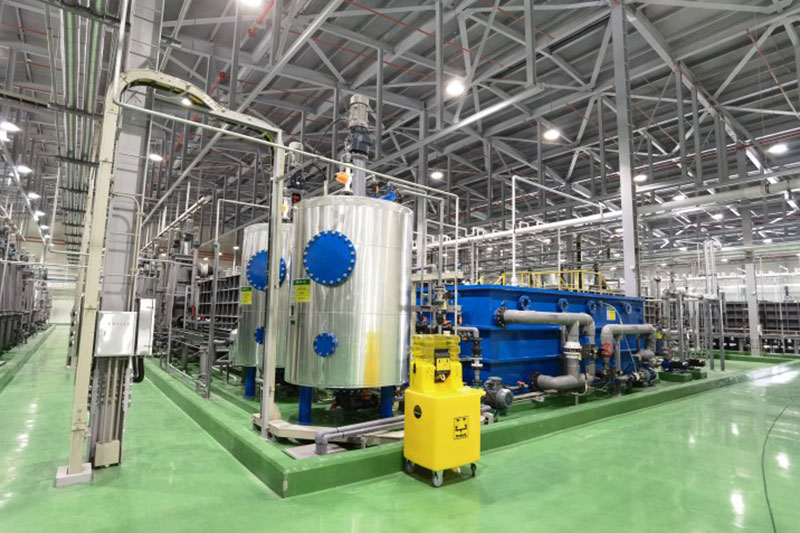
Wastewater treatment: The process generates acidic or alkaline wastewater, heavy metal residues, and entrained organics. Effective treatment requires robust wastewater‑treatment systems.
-
Corrosion and materials compatibility: Acidic solutions and organic solvents demand corrosion‑resistant containment, piping, and storage to ensure equipment longevity and operator safety.
-
Radiological safety: If ores contain thorium or uranium (e.g., monazite), appropriate radiation protection, waste segregation, and disposal protocols must be implemented.
How TYIC’s EPC Solutions Align with Hydrometallurgical Needs
As a leading manufacturer and EPC provider, Hangzhou Tianyicheng New Energy Technology Co. Ltd. (TYIC) is well-positioned to deliver integrated solutions for hydrometallurgical rare earth recovery projects. TYIC’s expertise and product portfolio address industry needs across several critical areas:
-
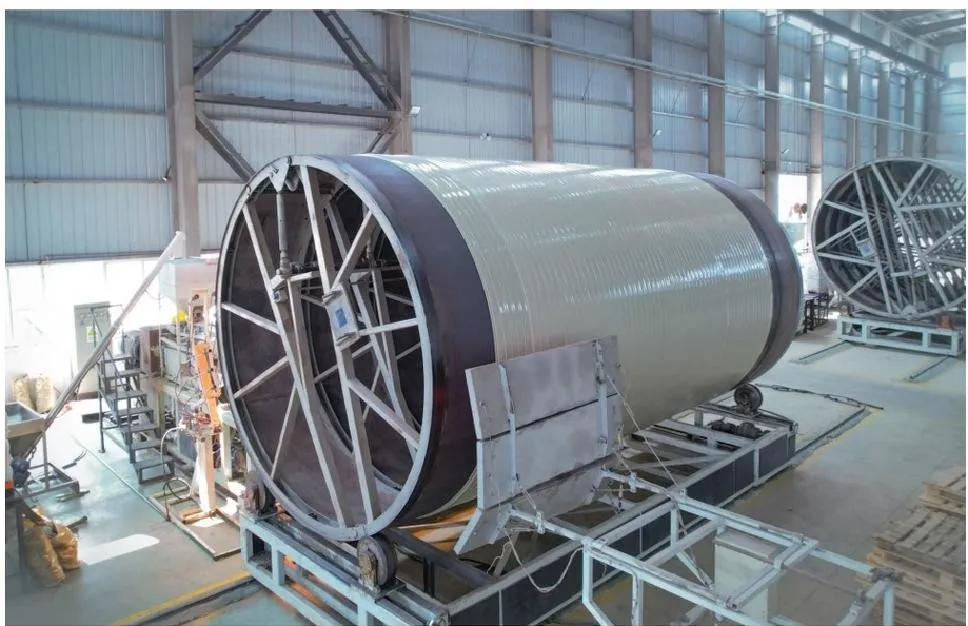
Custom corrosion‑resistant tanks and storage solutions: TYIC’s PPH/HDPE storage tanks provide safe containment for aggressive acids, solvent‑laden streams, and wastewater, reducing risk of leaks, corrosion, and contamination.
-
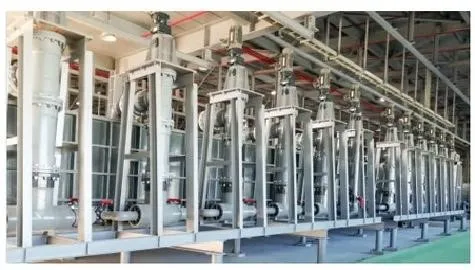
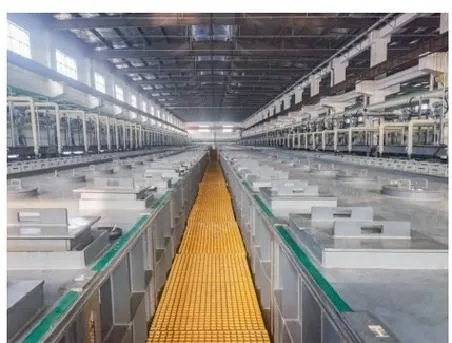
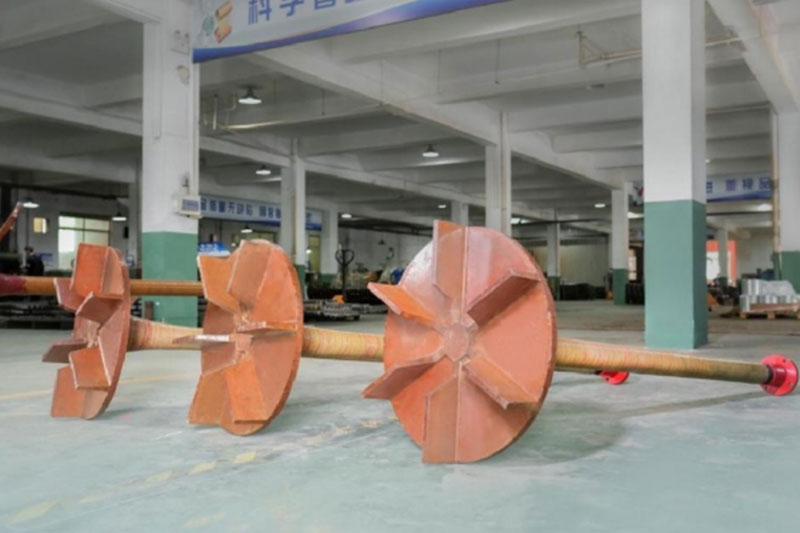
Mixing and reaction vessels: TYIC’s tubular mixing extractors and mixing equipment enable effective leaching and solvent extraction stages, ensuring uniform mixing, temperature control, and scalability for industrial throughput.
-
Micro‑interface oil removal systems: During solvent extraction, emulsions or fine organic droplets may appear; TYIC’s oil‑water separation systems remove these efficiently, simplifying treatment and recycling of organic solvents.
-
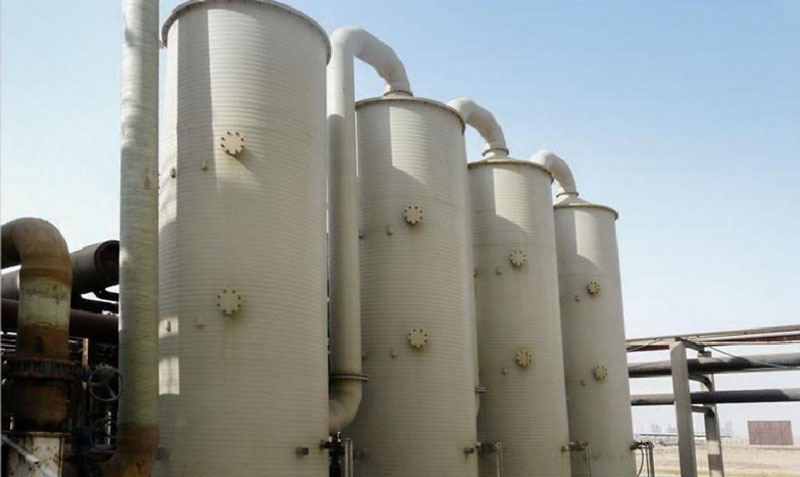
Waste gas and wastewater treatment systems: TYIC offers tailored EPC solutions for both gaseous emissions (e.g., acid mist, volatile organics) and liquid effluents — crucial for environmental compliance and sustainable operations.
-
Engineering, procurement, and installation services: From process design and equipment layout optimization to materials selection and on‑site installation, TYIC provides end‑to‑end project delivery — ideal for enterprises in lithium battery recycling, non‑ferrous metal processing, and environmental sectors.
Advantages of Hydrometallurgical REE Recovery with Integrated EPC Support
-
High recovery and purity: Careful process control and use of solvent extraction or ion exchange yield rare earth salts/oxides with high purity — suitable for sensitive applications like battery cathode precursors or permanent magnets.
-
Flexibility for feedstock: The hydrometallurgical route can handle a variety of inputs — from low‑grade ores and mine tailings to recycled battery black mass and secondary materials — enhancing resource efficiency.
-
Reduced environmental footprint: Compared with smelting, aqueous processes generate less air pollution and slag; with proper wastewater and waste gas treatment (as provided by TYIC), environmental compliance is more achievable.
-
Scalable and customizable: TYIC’s modular equipment and design capabilities support pilot‑scale tests through to full commercial plants, allowing clients to scale according to demand.
-
Compliance with international standards: Through careful material selection, process design, and waste handling, systems can meet global environmental and safety regulations — critical for clients operating across China, Southeast Asia, Europe, North America, and beyond.
Considerations and Best Practices for Implementation
-
Perform feedstock characterization (mineralogy, impurity content, radioactivity) before process design — essential to choose leaching and separation routes.
-
Design reagent recovery loops to minimize operational costs and waste output, especially for strong acids or organic extractants.
-
Configure segregated wastewater lines and integrate neutralization, heavy‑metal precipitation, and filtration units, ensuring effluent meets discharge or reuse standards.
-
Adopt corrosion‑resistant construction materials (e.g., PPH, HDPE, special alloys) to maximize equipment lifespan and reduce contamination risks.
-
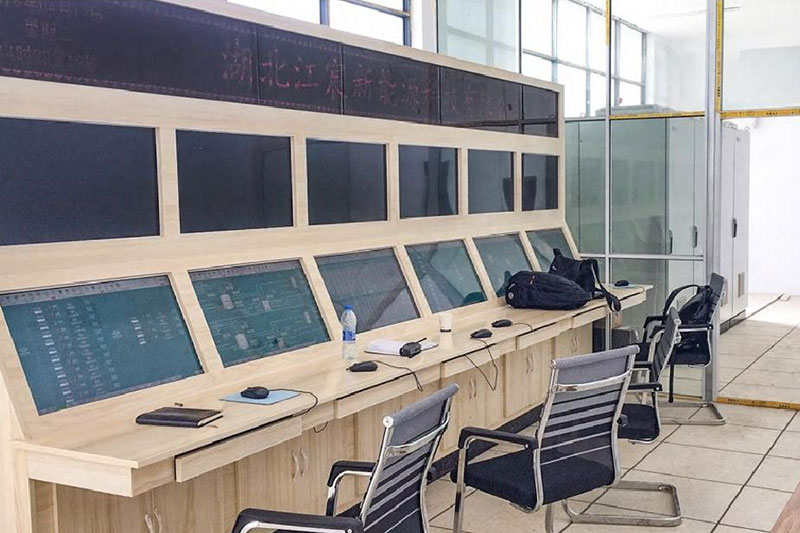
Implement process monitoring and control systems, enabling consistent product quality — especially important when output is destined for high‑tech sectors (e.g., EV battery supply chains).
Case Example: Rare Earth Recovery from Lithium‑Battery Recycling Streams
With the growth of electric vehicles, spent lithium‑ion batteries and related black mass have become valuable sources of REEs (e.g., from NdFeB magnets) and critical metals. By applying hydrometallurgical recovery — leaching with controlled acid, followed by solvent extraction and purification — companies can reclaim REEs and other metals with high efficiency. TYIC’s tailored wastewater treatment and corrosion‑resistant storage tanks make such recycling operations feasible and environmentally compliant. This approach supports circular economy goals while reducing reliance on virgin ore sources.
A hydrometallurgical pathway — combined with comprehensive EPC services — represents a strategic, sustainable, and economically sound choice for rare earth recovery. When engineered correctly, it ensures high yields, purity, and environmental compliance.
This review underscores how advanced hydrometallurgical methods, backed by turnkey solutions from TYIC, meet modern industry demands for efficiency, sustainability, and scalability.
Short summary: A hydrometallurgical approach, paired with expert EPC and environmental systems, delivers efficient, clean, and scalable rare‑earth recovery solutions.
 Français
  English
  Deutsch
  Português
  Español
  Italiano