
Table des matières
What exactly is solvent extraction?
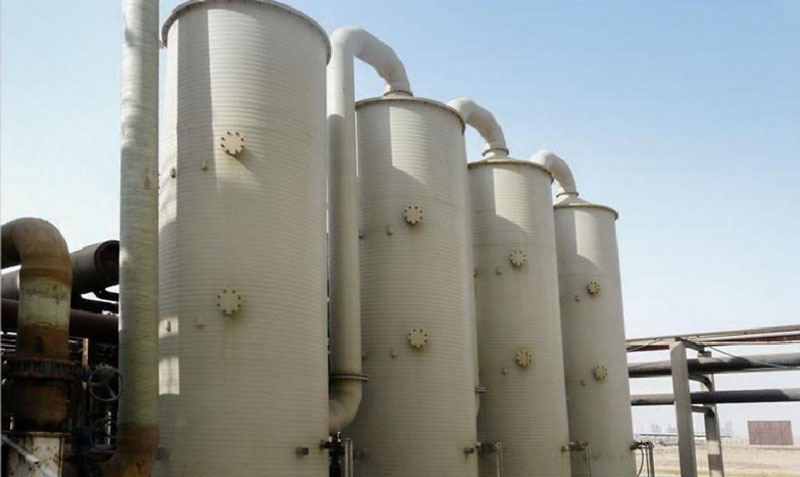
Solvent extraction is a chemical‑engineering process in which a targeted component is transferred from one phase to another—often from a solid or aqueous phase into an immiscible liquid solvent—so that the desired material can be separated and recovered. In industrial environments, this technique leverages differences in solubility, partition coefficients and selective complexation to isolate valuable substances. For example, in a typical operation, a feed‑solution containing dissolved metals is contacted with an organic solvent, allowing the metal ions to move into the solvent phase. Subsequently the solvent is stripped or treated so the metals are recovered and the solvent reused. In the context of extraction of lithium batteries and other metal‑rich streams, this becomes particularly relevant: valuable metals such as lithium, cobalt, nickel and manganese can be selectively drawn out of complex mixtures. A facility like TYIC, which designs and manufactures extraction equipment and micro‑interface oil‑removal systems, may integrate solvent‑extraction units as part of its bespoke process design. The company’s expertise in process layout, materials selection and corrosion‑resistant equipment ensures that the solvent extraction modules operate with durability and high efficiency. By understanding what solvent extraction is and how it works, stakeholders in battery recycling and non‑ferrous metal processing can assess how it fits into a robust recovery system.
Why is solvent extraction becoming critical in lithium battery recycling?
The recycling of lithium‑ion batteries poses a significant challenge due to the complexity of their chemistry and the mixture of metals and electrolyte components. Solvent extraction plays a pivotal role in the extraction of lithium batteries, offering a viable route to recover and purify critical metals that would otherwise be lost. In battery‑recycling flows, after shredding, leaching, and initial purification, the resulting solution may contain multiple metal ions in varying concentrations and forms. Solvent extraction enables the selective separation of individual metals—such as lithium, cobalt or nickel—from that multi‑metallic solution. For a company like TYIC, which serves clients in lithium‑battery recycling, non‑ferrous metal processing and environmental protection industries, implementing solvent‑extraction technology adds value by transforming a generic leachate stream into high‑purity fractions that downstream refining or reuse processes can accept. Additionally, the use of corrosion‑resistant tanks, custom mixing equipment and carefully engineered layouts—as TYIC offers—ensures that the solvent extraction stage integrates smoothly into the full EPC (Engineering, Procurement, Construction) solution. Ultimately, solvent extraction addresses the key industry needs of sustainability, resource efficiency and high‑quality end streams.
What are the major steps involved in the solvent‑extraction process for battery‑metal recovery?
In a typical battery‑metal recovery scenario, solvent extraction unfolds through several defined phases:
-
Feed preparation and adjustment – The leach solution derived from battery recycling (via hydrometallurgical leaching) may require pH adjustment, removal of suspended solids, and oxidation/reduction conditioning. Ensuring the right chemical state of target metal ions is essential for effective solvent extraction.
-
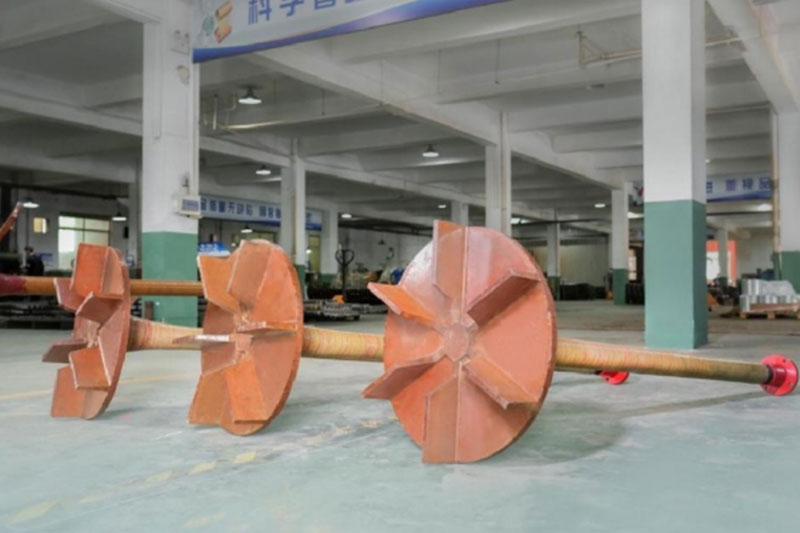
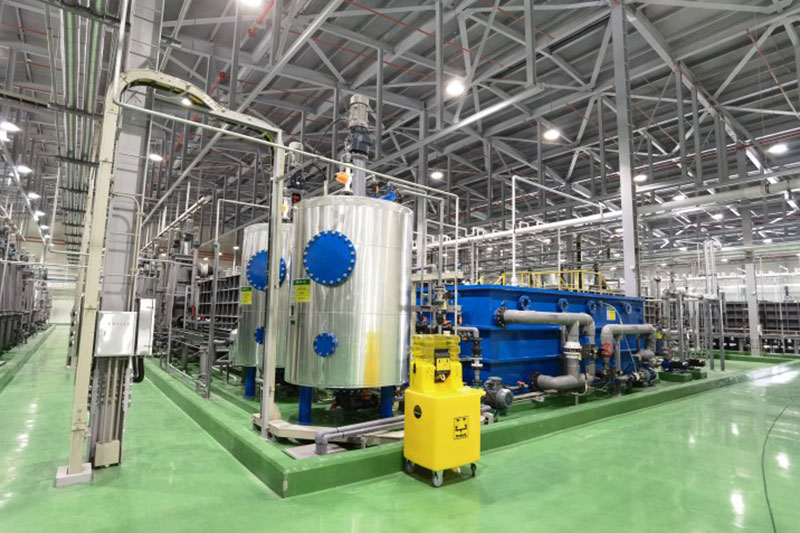
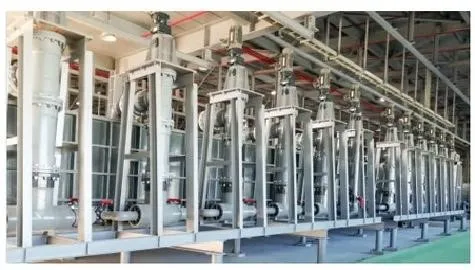
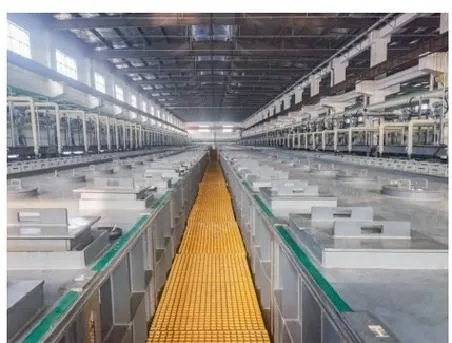
Contacting the solvent and aqueous phases – An organic solvent, often containing specific extractants (ligands), is introduced and mixed with the aqueous feed in mixer–settler tanks or extraction columns. TYIC’s custom mixing equipment and corrosion‑resistant materials ensure optimum contact and phase separation.
-
Phase separation – After sufficient mixing, the organic and aqueous phases separate by gravity in settlers. The metal‑rich organic phase is collected, while the depleted aqueous raffinate is sent for further treatment or disposal.
-
Stripping the metal from the organic phase – The organic phase is treated with a stripping solution (often acidic or alkaline) to recover the target metal into a new aqueous solution. This can produce a purified metal solution ready for crystallization, precipitation or electrode manufacture.
-
Solvent regeneration and reuse – The organic solvent is often recovered and returned to the extraction stage for reuse, enhancing cost‑effectiveness and environmental performance. TYIC designs systems that optimise solvent circulation and minimise waste.
-
Downstream purification and recovery – The stripped metal solution is then refined, precipitated or further purified to meet industry‑grade specifications—important for clients in battery materials, chemical manufacturing or environmental technology.
By offering turnkey solutions—from equipment manufacturing to full EPC implementation—TYIC ensures that each of these steps is properly designed, material‑matched and integrated into the client’s broader operations.
What benefits does solvent extraction bring to battery‑metal recovery and environmental applications?
Solvent extraction offers several significant advantages when applied to battery recycling and other high‑value metal recovery tasks:
-
High selectivity and purity: It can distinguish between closely related metal ions (e.g., Ni²⁺ vs Co²⁺), enabling recovery of high‑purity streams suitable for reuse in cathode materials or chemical processing.
-
Reduced waste and improved sustainability: The ability to regenerate and reuse organic solvents, and to recover metals that would otherwise be lost, helps meet ESG goals and the circular‑economy demands of battery‑material supply chains. TYIC’s emphasis on high‑efficiency, high‑performance equipment aligns strongly with those needs.
-
Lower operational footprint: Compared with purely pyrometallurgical approaches, solvent extraction often operates at lower temperatures, with less energy consumption and fewer emissions—making it a preferred option in environmental‑protection equipment systems (which TYIC also provides, such as waste‑gas and wastewater treatment).
-
Modular and customisable design: Because flow‑rates, solvent chemistry and materials of construction can vary by application, the tailor‑made approach as offered by TYIC ensures that bespoke mixers, tanks, and extraction trains are optimised for each client’s feed stream and recovery targets.
-
Integration into full‐cycle solutions: For industries such as lithium‑battery recycling, non‑ferrous metal processing, and chemical manufacturing, solvent extraction forms a key bridge between leaching and refining. TYIC’s end‑to‑end capabilities—from design through installation—ensure seamless performance across the value chain.
In sum, adopting solvent extraction enables companies to recover critical metals more effectively, operate more sustainably, and integrate their processes into broader environmental protection frameworks.
In conclusion, solvent extraction offers a targeted, efficient and scalable method for extracting valuable metals from lithium‑battery recycling streams—and TYIC’s custom‑engineered solutions make it a strategic tool for firms seeking high performance and sustainability.
 Français
  English
  Deutsch
  Português
  Español
  Italiano