
⚠️ Rising demand et unstable critical material supply increase costs and environmental pressure; if unresolved, battery production and recycling suffer. ✅ Sustainable recovery et efficient process design provide a practical solution.
Lithium-ion battery critical materials sustainability means recovering valuable metals from spent batteries, reducing reliance on virgin mining, improving process efficiency, and building stable recycling systems. With advanced extraction technology, corrosion-resistant equipment, and integrated engineering design, companies can recover battery-grade nickel, cobalt, manganese, and lithium while lowering environmental impact and strengthening long-term supply security.
🔍 Sustainability in battery materials is now both an environmental priority and a competitive necessity.
Table des matières
1. Why Critical Materials Sustainability Matters
Lithium-ion batteries are essential for electric vehicles, energy storage systems, and the broader shift toward cleaner energy. However, this growth depends on a stable supply of critical materials such as lithium, nickel, cobalt, and manganese.
These resources are not only valuable, but also strategically important. Shortages, price volatilityet perturbations de la chaîne d'approvisionnement can directly affect production schedules, procurement planninget long-term profitability.
From an industrial perspective, sustainability is no longer just a branding concept. It now includes resource efficiency, waste reduction, environmental complianceet supply chain resilience.
Companies across the battery industry are increasingly seeking solutions that can recover valuable metals from used batteries and convert them into battery-grade materials suitable for reuse in manufacturing.
2. Recycling as the Core of a Circular Battery Economy
♻️ A sustainable battery sector relies on circular resource use. Instead of treating spent lithium-ion batteries as waste, modern recycling systems recognize them as a valuable secondary source of critical metals.
Through efficient recovery processes, these materials can be extracted and returned to the supply chain, reducing dependence on virgin raw materials.
This recycling-based approach offers both economic value et environmental value. It lowers the need for resource-intensive mining, minimizes waste, and helps preserve finite materials for future industrial use.
More importantly, it creates a repeatable loop in which le nickel, le cobalt, le manganèse et le lithium are recovered from end-of-life batteries and reused in new battery production.
For battery recyclers and cathode material producers, this creates a more secure, sustainableet cost-conscious supply model. In this sense, recycling is not just a waste treatment activity; it is a strategic method of material resource management.
3. Process Efficiency Defines True Sustainability
⚙️ Sustainability in battery recycling depends heavily on process efficiency. If a system is poorly designed, it may consume excessive energy, create avoidable waste streams, require frequent maintenance, and reduce overall recovery performance.
By contrast, an optimized process line can improve recovery rates, reduce operating costs, and support a lower environmental footprint.
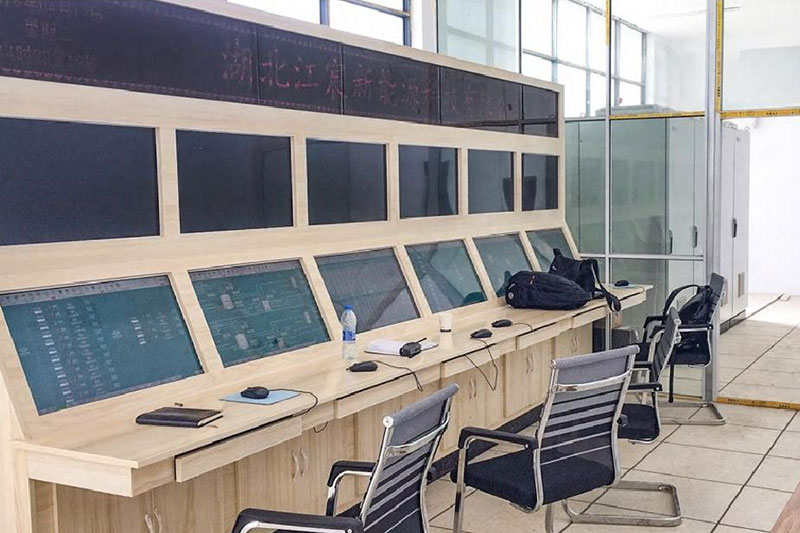
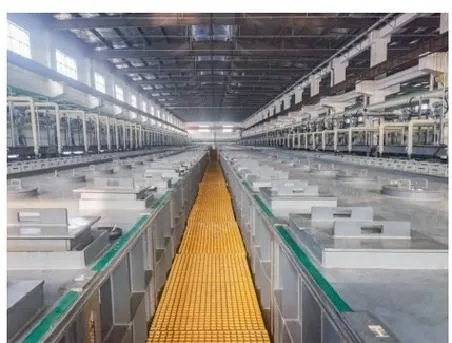
Key factors include process route selection, equipment structure, workshop layout, pipeline designet electrical automation. A production line that operates with a compact footprint, stable performance, and reduced energy consumption is better positioned to deliver real sustainability benefits.
Additional advantages such as low noise, long equipment life, reduced wearet reusable system components further enhance lifecycle value.
This shows that sustainability is not achieved by intention alone. It depends on whether engineering design can deliver stable, efficientet scalable industrial results over time.
4. Durable Equipment Supports Sustainable Operations
🛡️ Battery recycling and extraction processes often involve corrosive media, demanding operating conditionset strict quality expectations. In such environments, equipment durability becomes a critical sustainability factor.
Corrosion-resistant materials, reliable mechanical structureset effective automation systems help reduce downtime, improve operational safety, and extend equipment service life.
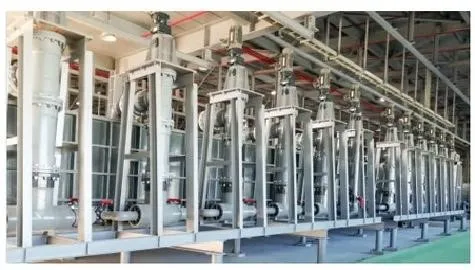
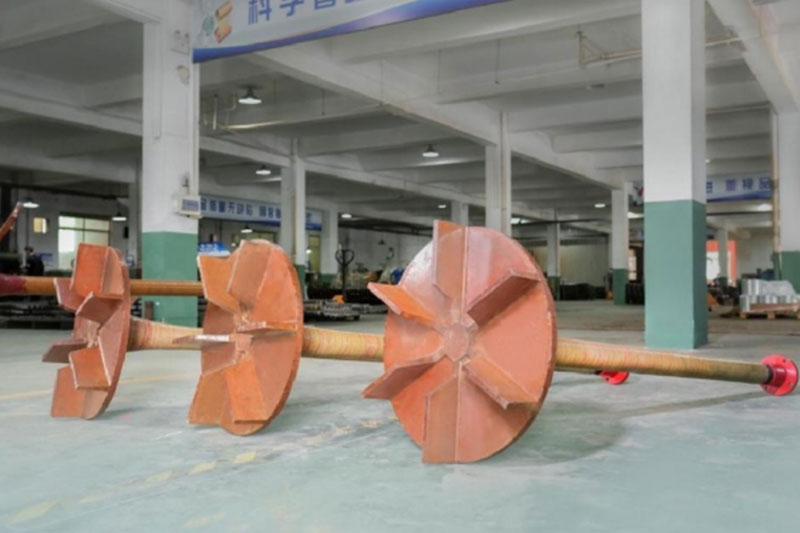
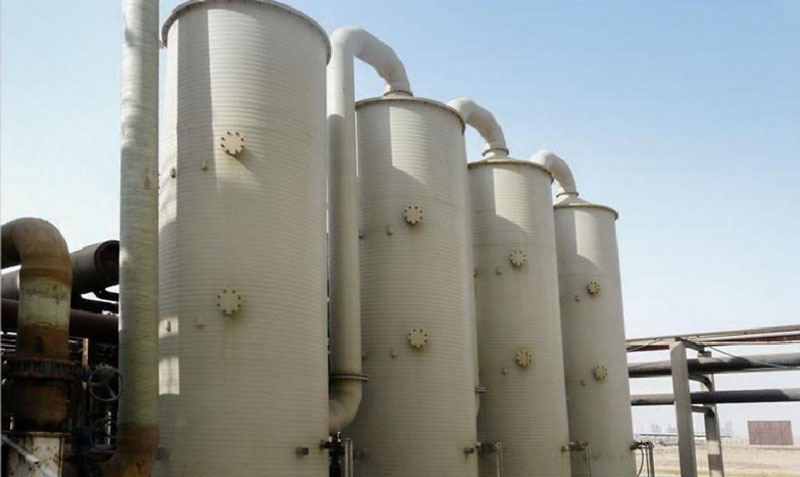
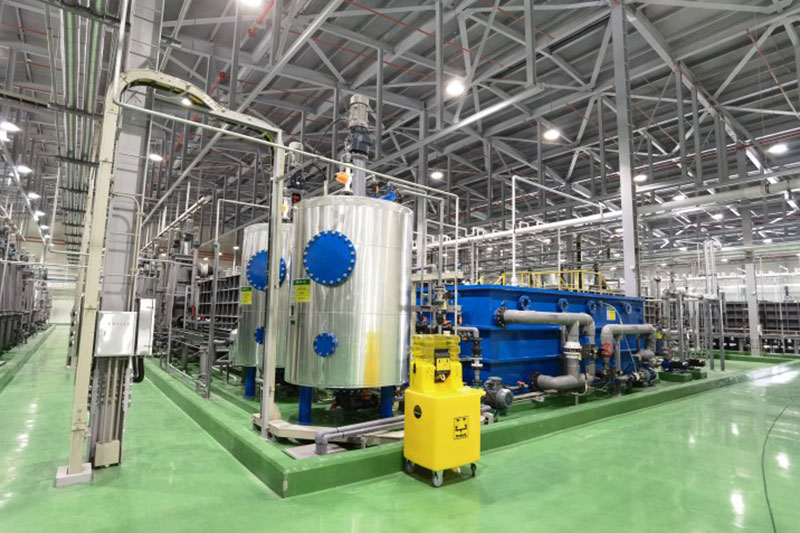
Specialized extraction systems and environmental protection equipment play an especially important role. Advanced process equipment can support more efficient separation and recovery of critical metals while limiting unnecessary material loss.
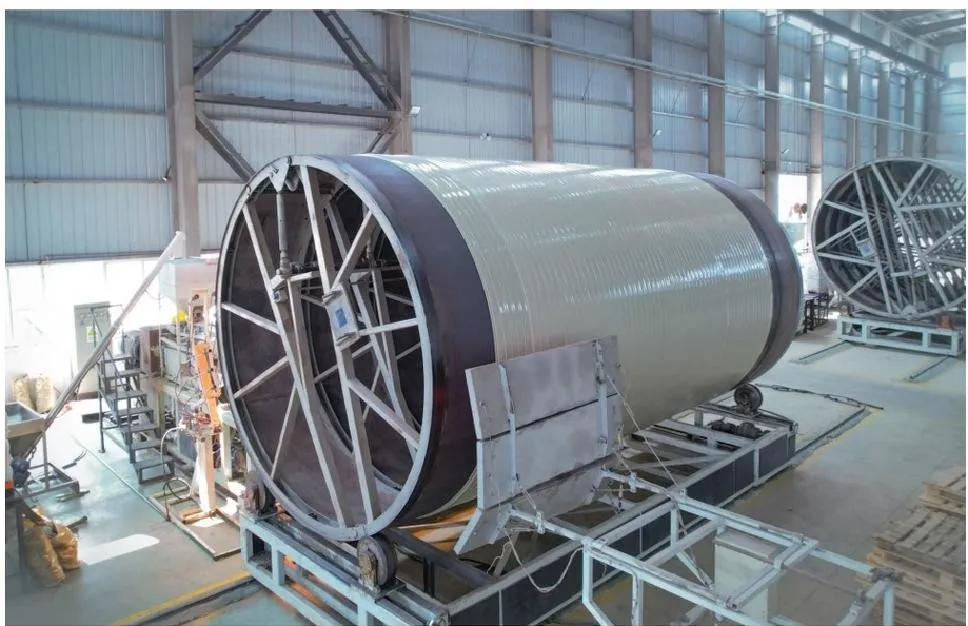
At the same time, durable and environmentally compatible construction materials contribute to a more sustainable plant design overall.
A sustainable production model therefore requires more than metal recovery. It also requires equipment that can operate safely, consistentlyet efficiently under harsh industrial conditions.
5. Quality Control and Technical Integration Create Long-Term Value
📌 High recovery rates alone are not enough. For critical materials sustainability to have real industrial value, the recovered products must also meet the quality requirements of downstream battery manufacturing.
This makes quality control, process precisionet technical integration essential.
A strong technical team can improve outcomes through scheme design, process development, equipment coordinationet production planning. Capabilities in drafting, automation, engineering support, and project execution help ensure that recycling systems are practical, scalable, and aligned with actual operating conditions.
Experimental support and standardized management also reduce uncertainty during project implementation.
In addition, coordinated supply chains strengthen sustainability performance. Stable raw material sourcing, disciplined monitoringet consistent quality management allow recovery systems to operate with greater reliability.
In practice, true sustainability comes from connecting conception du processus, equipment reliability, procurementet production management into one integrated system.
6. Scalable Implementation Is Essential for Industrial Sustainability
🚀 Sustainability only creates lasting value when it can be implemented at scale. For battery recyclers, material producers, and environmental technology companies, this means linking conception du processus, manufacturing, installation, commissioninget operational support.
Turnkey project delivery can help ensure that sustainability targets are translated into real production outcomes.
This matters because isolated equipment purchases rarely solve complex industrial challenges. Sustainable battery material recovery requires coordination across civil conditions, process engineering, workshop planning, automation, utilitieset start-up management.
Companies that combine patented equipment, technical research, industry experienceet integrated project capability are better prepared to support long-term sustainable development.
As demand for battery materials continues to rise, the strongest competitive advantage may belong to organizations that approach sustainability as a discipline of engineering, resource recoveryet supply security rather than as a simple environmental slogan.
✅ Sustainable critical materials management strengthens battery supply security, reduces environmental pressure, and improves efficient recovery of valuable metals.
 Français
  English
  Deutsch
  Português
  Español
  Italiano