
Inefficient metal recovery, hazardous waste accumulation, and regulatory pressure challenge recyclers; unchecked, they cause resource loss, pollution, and rising costs; wet metallurgy with zero-waste design offers a scalable, compliant solution.
Wet metallurgy, also known as hydrometallurgy, is a recycling and extraction approach that dissolves metals into liquid phases for selective recovery, enabling high yields, precise separation, and integration with zero-waste systems that minimize emissions, residues, and secondary pollution.
This article explores why this integrated model is reshaping sustainable metal recycling worldwide.
Table des matières
Industry Background and Structural Challenges
The global recycling industry is under unprecedented pressure from electrification, battery proliferation, and tightening environmental regulations. Lithium-ion batteries, non-ferrous metal residues, and chemical by-products are growing rapidly, yet traditional pyrometallurgical routes struggle with energy intensity, low selectivity, and secondary emissions. Slag generation, off-gas treatment, and limited recovery of valuable elements such as lithium and manganese reduce overall resource efficiency.
Wet metallurgy addresses these gaps by operating at relatively low temperatures and enabling molecular-level control. However, without a system-level zero-waste design, hydrometallurgical plants can still generate large volumes of wastewater, spent reagents, and solid residues. The industry therefore faces a dual challenge: achieving high-purity metal recovery while ensuring closed-loop material and water management.
Core Principles of Wet Metallurgy
Wet metallurgy relies on a sequence of leaching, purification, separation, and recovery. Metals are transferred from solid feedstock into aqueous solutions using acids, alkalis, or complexing agents. Subsequent steps such as solvent extraction, ion exchange, precipitation, and crystallization allow individual elements to be recovered with high selectivity.
Compared with thermal processes, this approach offers several structural advantages. Reaction conditions are milder, energy consumption is lower, and process parameters can be finely tuned for complex feeds. This is particularly valuable for lithium battery recycling and multi-metal residues, where cobalt, nickel, lithium, copper, and manganese coexist in varying ratios.
Zero-Waste Integration as an Industrial Imperative
Zero-waste recycling goes beyond high recovery rates. It requires that liquid effluents, gaseous emissions, and solid by-products are either eliminated or converted into reusable resources. In wet metallurgy, this means closed-loop water systems, reagent regeneration, and comprehensive residue valorization.
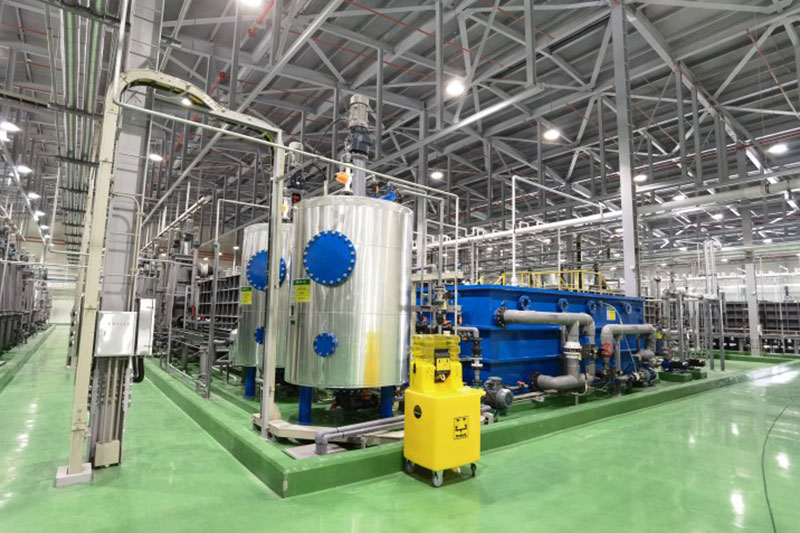
Advanced wastewater treatment units enable process water to be reused multiple times, reducing freshwater intake and discharge. Spent acids and organic solvents can be regenerated through distillation or membrane technologies. Solid residues, once stabilized, may be repurposed for construction materials or further metal recovery, ensuring that landfill dependency is minimized.
Equipment and Process Engineering Considerations
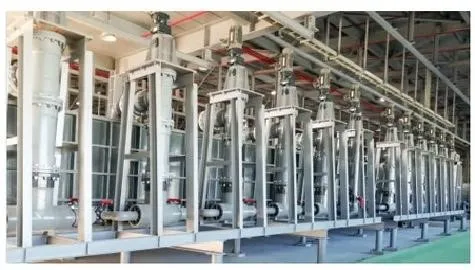
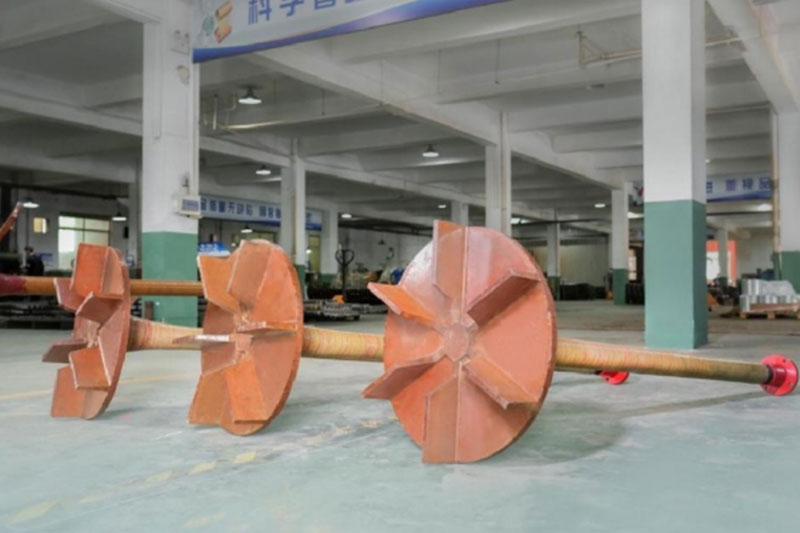
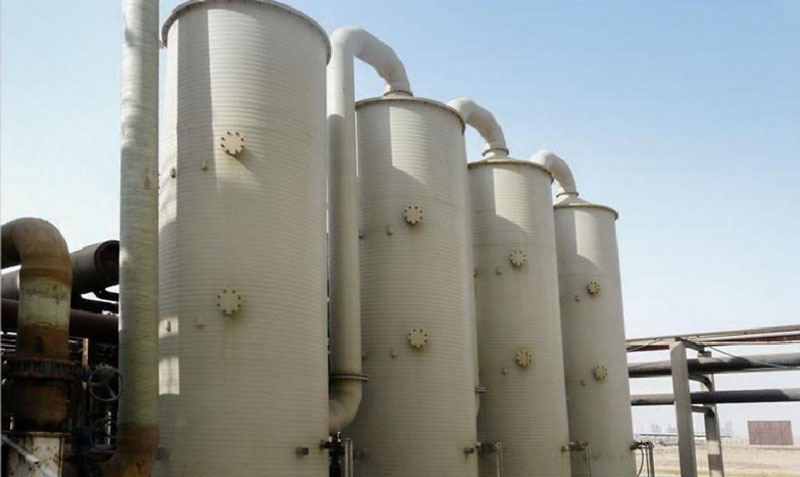
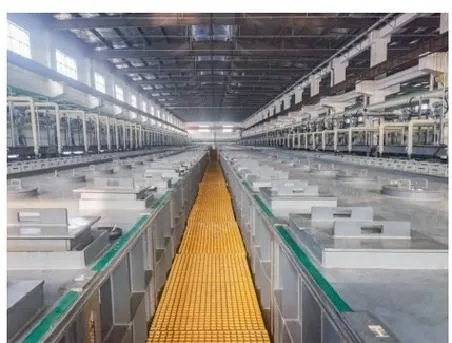
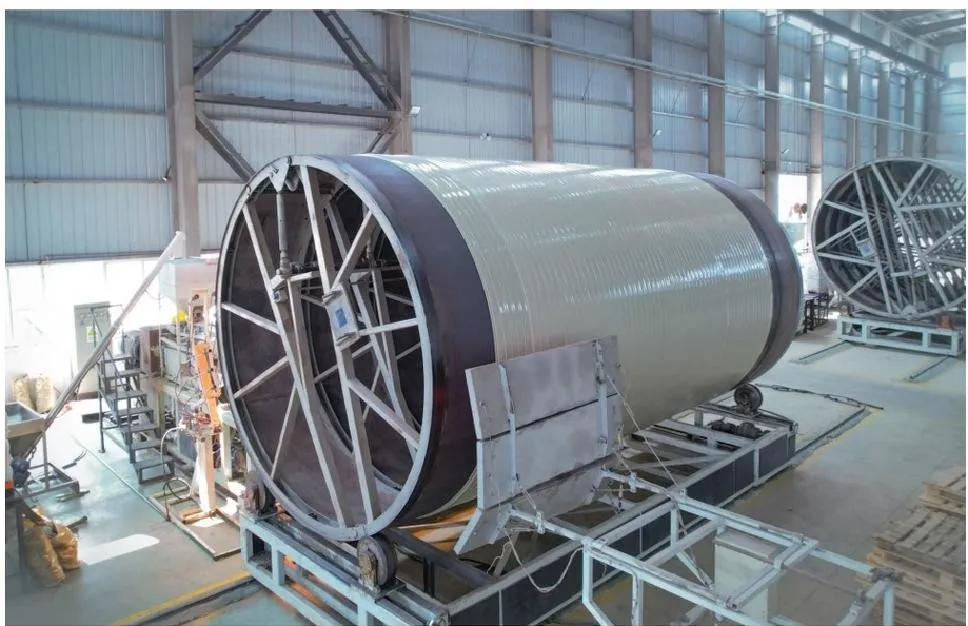
Achieving zero-waste wet metallurgy is not solely a chemical challenge; it is an engineering one. Equipment selection and layout directly influence efficiency, safety, and environmental performance. Corrosion-resistant reactors, tubular mixing extractors, and precision separation systems ensure stable operation under aggressive chemical conditions.
Material selection such as PPH, HDPE, and other engineered plastics extends equipment life while reducing maintenance downtime. Modular system design allows capacity expansion and process optimization without large-scale reconstruction, which is critical for rapidly evolving recycling markets.
Applications in Battery and Non-Ferrous Metal Recycling
The wet metallurgy and zero-waste model has become central to lithium battery recycling. High recovery rates of nickel, cobalt, and lithium support the circular economy of battery materials, reducing dependence on primary mining. At the same time, emissions and hazardous residues are tightly controlled, aligning operations with ESG and regulatory expectations.
In non-ferrous metal processing, hydrometallurgical zero-waste systems enable the treatment of low-grade ores and complex industrial wastes that are uneconomical for traditional methods. This expands usable resource boundaries while maintaining environmental compliance.
Economic and Regulatory Advantages
From an economic perspective, higher recovery yields translate directly into improved profitability, especially when processing high-value metals. Zero-waste integration further reduces long-term liabilities associated with waste disposal, environmental remediation, and regulatory penalties.
Regulators increasingly favor closed-loop and low-emission technologies. Facilities adopting wet metallurgy with zero-waste designs are better positioned to meet international environmental standards, secure operating permits, and establish long-term partnerships with global manufacturers focused on sustainability.
Future Outlook and Industry Evolution
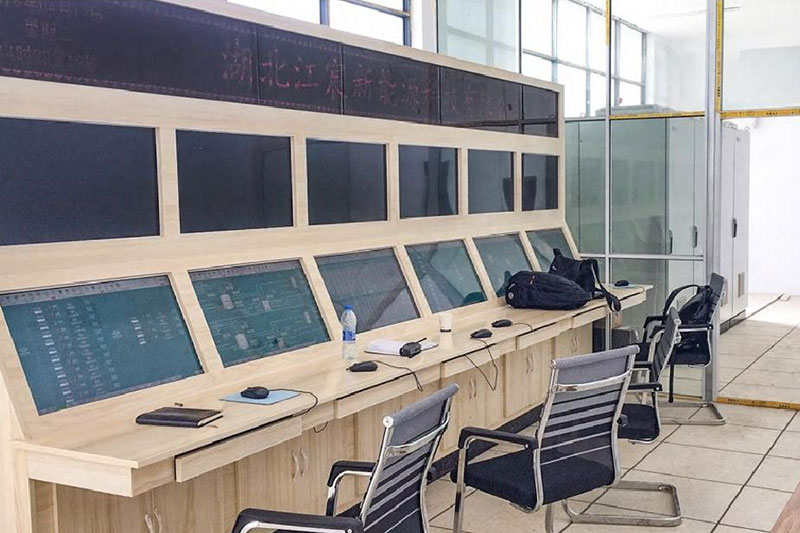
As recycling feedstocks grow more complex, process flexibility and environmental performance will define competitiveness. Digital process control, advanced separation materials, and integrated EPC solutions are accelerating the adoption of wet metallurgy systems that are both efficient and environmentally responsible.
The convergence of chemical engineering innovation and zero-waste philosophy signals a structural shift. Wet metallurgy is no longer a standalone extraction technique but a core pillar of sustainable industrial recycling ecosystems.
Wet metallurgy combined with zero-waste design enables high recovery, regulatory compliance, and sustainable growth for modern recycling industries worldwide.
 Français
  English
  Deutsch
  Português
  Español
  Italiano