
Inefficient drying leads to wasted energy, lower product quality, and costly downtime—tower dryers provide a reliable, scalable solution for consistent industrial drying performance.
A tower dryer is a vertical industrial drying system designed for efficient moisture removal. It leverages gravity flow, heated air, and advanced design to deliver uniform drying with reduced energy consumption.
Let’s dive deeper into how tower dryers work, their features, benefits, and how to select the right one.
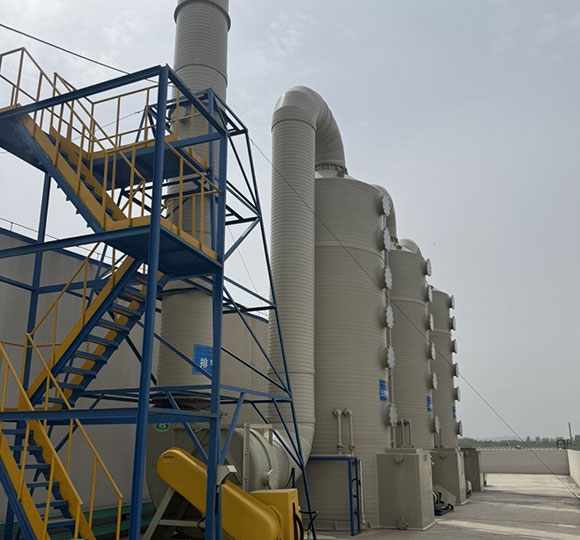
Table des matières
What is a Tower Dryer?
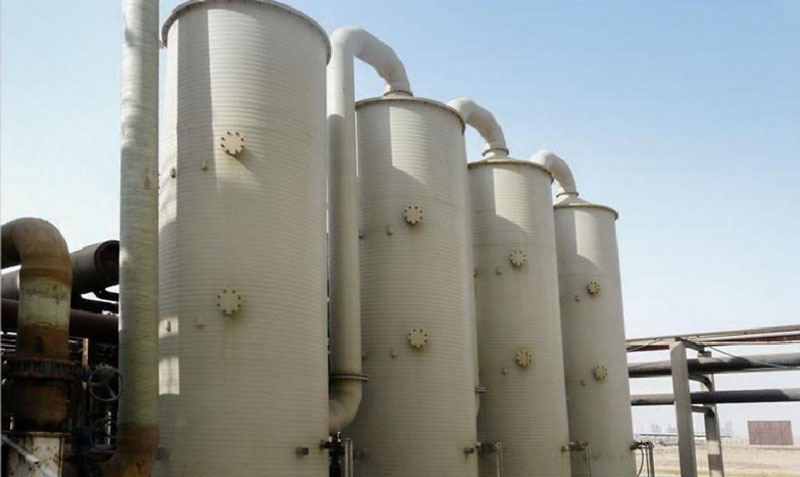
A tower dryer is a specialized vertical drying system commonly used in industrial applications to remove moisture from bulk solids, powders, and granules. Unlike conventional horizontal dryers, tower dryers rely on gravity and vertical airflow, making them more space-efficient and energy-conscious.
The system typically consists of a tall cylindrical or rectangular drying chamber where materials enter from the top and exit at the bottom after moisture removal. Heated air is circulated counter-current or co-current to the falling product stream, ensuring maximum contact between air and material particles.
Tower dryers are particularly well-suited for industries requiring uniform drying at scale—from food and pharmaceuticals to chemicals, plastics, and environmental protection processes. Their design minimizes handling, reduces contamination risks, and offers better control over final moisture levels, which is essential for industries with strict quality standards.
How Does a Tower Dryer Work?
The working principle of a tower dryer revolves around controlled airflow and gravity-driven material movement. Materials are fed continuously from the top of the drying tower. As they descend, heated air flows in the opposite or same direction, depending on the chosen configuration.
In a counter-current setup, hot air rises while the product descends, creating maximum heat transfer efficiency. This method ensures the final product leaves the system at a low temperature, protecting sensitive materials. In a co-current design, air and material move in the same direction, offering faster moisture removal for less heat-sensitive products.
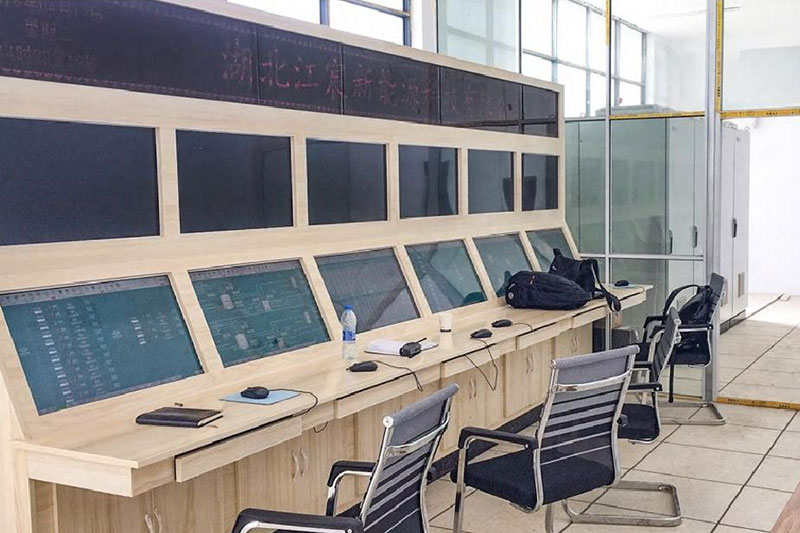
Critical elements like temperature regulation, air distribution, and residence time control determine the dryer’s performance. Tower dryers are often integrated with advanced automation systems to maintain precise operating conditions. This guarantees consistent results, energy optimization, and extended equipment lifespan, making them a preferred choice for industries requiring high-throughput drying.
Key Features of a Tower Dryer
Tower dryers are equipped with unique features that differentiate them from other drying technologies:
-
Vertical design: Saves floor space and supports gravity-assisted material flow.
-
Efficacité énergétique: Optimized airflow minimizes energy losses and lowers operational costs.
-
Uniform drying: Precise air distribution systems ensure even moisture removal across particles.
-
Material adaptability: Capable of handling powders, granules, and bulk solids.
-
Durability: Constructed from corrosion-resistant materials like stainless steel or specialized polymers.
-
Automation-ready: Equipped with PLC-based control systems for temperature, humidity, and airflow monitoring.
These features make tower dryers highly adaptable for continuous large-scale drying, reducing human intervention and maximizing process reliability. Their robust structure also makes them a cost-effective solution over their long service life.
Industries That Rely on Tower Dryers
Tower dryers serve as a critical component across multiple industries where moisture removal is non-negotiable:
-
Food industry: Used for drying grains, cereals, milk powder, and spices while preserving nutritional quality.
-
Produits pharmaceutiques: Ensures consistent drying of powders and intermediates for safe, effective medicines.
-
Chemical industry: Used for drying polymers, resins, and specialty chemicals.
-
Plastics and polymers: Prepares raw materials such as PET, PP, and PE for processing.
-
Environmental applications: Plays a role in waste treatment, sludge drying, and solvent recovery.
By leveraging tower dryers, these industries achieve higher productivity, better product uniformity, and reduced operational costs, making them a backbone of modern manufacturing and processing.
Benefits of Using a Tower Dryer
The adoption of tower dryers brings multiple advantages to industrial operations:
-
Energy savings: Optimized airflow systems reduce energy consumption by up to 20% compared to traditional dryers.
-
Consistent product quality: Ensures uniform moisture levels, critical for sensitive applications like pharmaceuticals and food.
-
Space efficiency: Vertical design minimizes footprint, ideal for facilities with limited land availability.
-
Reduced labor: Automation reduces manual intervention, improving safety and lowering labor costs.
-
Évolutivité: Designed to handle both small batches and continuous large-scale production.
-
Longevity: Built with corrosion-resistant, durable materials for long service life.
These benefits make tower dryers a future-proof investment for industries aiming for efficiency, compliance, and long-term operational stability.
How to Choose the Right Tower Dryer
Selecting the right tower dryer involves evaluating several factors tailored to industry-specific requirements:
-
Material properties: Consider particle size, moisture content, and sensitivity to heat.
-
Airflow configuration: Decide between counter-current and co-current designs based on product needs.
-
Capacity requirements: Match dryer size and throughput to production scale.
-
Efficacité énergétique: Look for dryers with advanced airflow management and insulation.
-
Automation level: Modern dryers come with digital controls, remote monitoring, and safety alarms.
-
Compliance standards: Ensure compatibility with food-grade, pharmaceutical, or chemical safety certifications.
TYIC NEW ENERGY Case Studies and Technical Edge
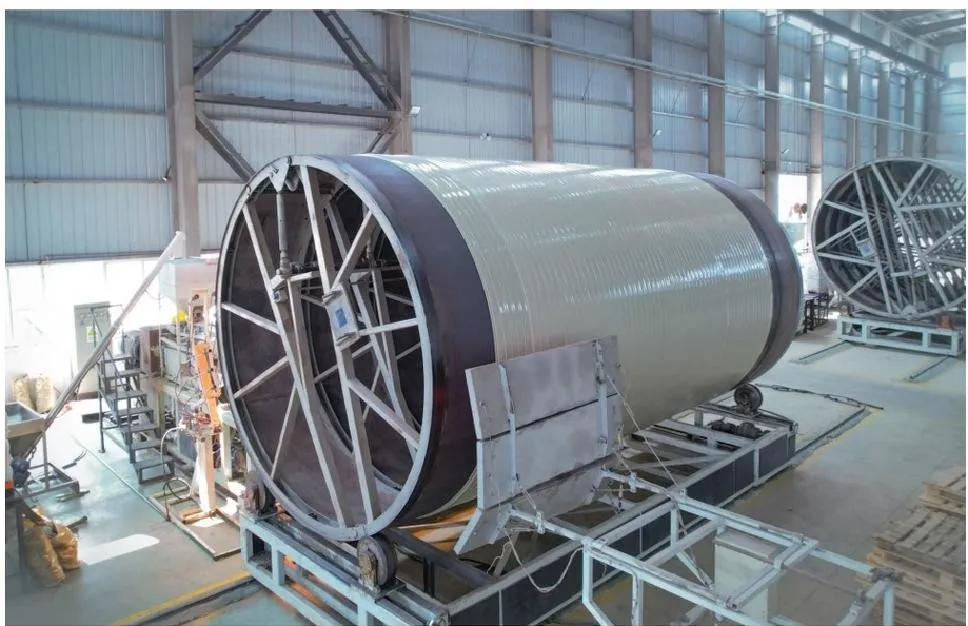
As a leading manufacturer of environmental and chemical process equipment in China, TYIC NEW ENERGY has applied tower dryer technology across multiple industries. Their expertise lies in customized engineering solutions—from selecting corrosion-resistant raw materials like PPH and HDPE to integrating fully automated temperature and airflow control systems.
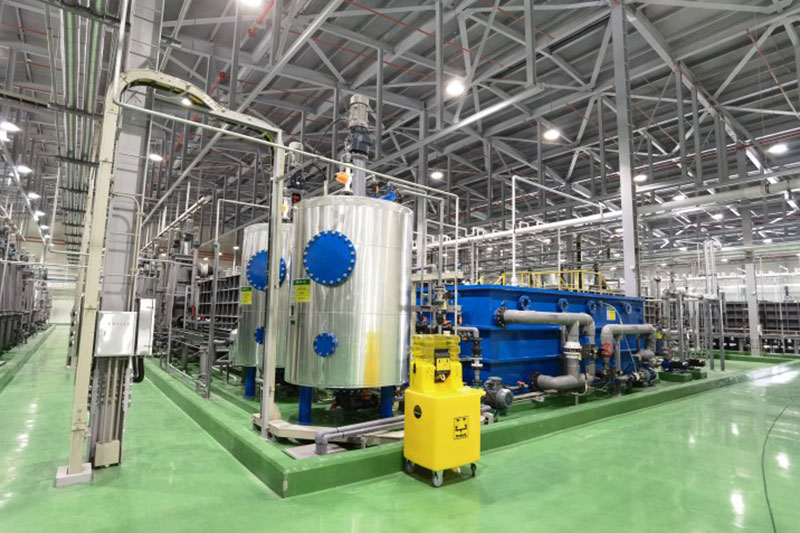
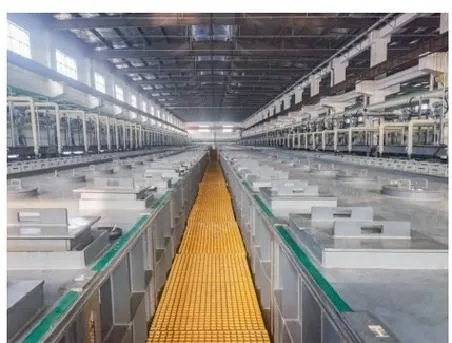
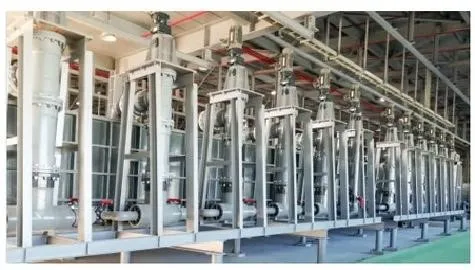
For example, TYIC NEW ENERGY delivered a large-scale tower dryer system for a lithium battery recycling facility, designed to handle corrosive electrolytic residues. The system featured seamless anti-corrosion tanks, optimized airflow channels, and automated monitoring, ensuring both durability and consistent drying results.
Another project involved the food processing industry, where TYIC NEW ENERGY provided tower dryers with food-grade construction materials and precise humidity controls to preserve nutritional integrity during drying. These solutions highlight the company’s ability to adapt designs to client-specific requirements while maintaining international standards such as ISO 9001 and ISO 14001.
By combining advanced chemical engineering, durable materials, and EPC service capabilities, TYIC NEW ENERGY ensures that their tower dryers not only meet industrial needs but also provide long-term operational value.
Résumé
Tower dryers provide efficient, scalable, and reliable moisture removal across industries, and TYIC NEW ENERGY ensures top performance with customized, durable, and automated solutions.
 Français
  English
  Deutsch
  Português
  Español
  Italiano