
⚠️ Improper lithium battery disposal creates fire, pollution, and compliance risks; these costs escalate quickly. The best solution is safe collection, discharge, dismantling, material recovery, and compliant treatment.
The best way to dispose of scrap lithium batteries is not landfill or incineration, but controlled recycling through qualified processors. A proper route includes safe storage, transport, pretreatment, dismantling, and recovery of lithium, nickel, cobalt, manganese, copper, and other valuable materials while preventing fire, leakage, and environmental contamination.
🔍 The answer becomes clearer when disposal is examined from both safety and resource-recovery perspectives.
Table des matières
Why Scrap Lithium Batteries Cannot Be Treated as Ordinary Waste
Scrap lithium batteries still contain residual energy, reactive electrolytes, plastics, foils, and valuable metals. If they are discarded with mixed industrial waste, several problems can occur at the same time:
- Short circuits may trigger heat buildup and fire
- Damaged cells may leak hazardous substances
- Uncontrolled burning may release toxic gases
- Landfilling wastes strategic metals that can be recovered and reused
For battery recyclers, materials processors, and environmental operators, this means disposal is no longer only a waste-management task. It is also a safety-control, compliance, and resource-efficiency issue. The most effective disposal route is therefore one that treats scrap batteries as recoverable industrial feedstock rather than as simple refuse.
The Best Disposal Route: Recycling With Process Control
✅ The preferred method is qualified recycling supported by standardized handling steps. In practice, the route usually includes:
- Collection
- Classification
- Safe temporary storage
- Transportation
- Pretreatment
- Dismantling
- Séparation
- Downstream recovery
Each stage reduces operational risk while increasing material recovery value.
1. Sorting and Classification
First, scrap batteries should be sorted by chemistry, size, condition, and origin. Mixed streams reduce recycling efficiency and complicate safety management. Cells from EV packs, ESS systems, consumer electronics, and production scrap often require different handling procedures.
2. Safe Storage
Second, batteries should be stored in a dry, well-ventilated, insulated area with clear fire-prevention measures. Damaged or swollen batteries should be isolated immediately. This step is essential because even waste batteries can remain electrically active.
3. Compliant Transportation
Third, transportation should be handled by qualified logistics providers using compliant packaging and labeling. Safe transport is often underestimated, yet it is one of the most important parts of disposal because movement can increase the chance of short circuit or mechanical damage.
4. Pretreatment and Recovery
Fourth, pretreatment should neutralize risk before full material recovery begins. Depending on the process route, this may include:
- Discharge
- Dismantling
- Crushing
- Roasting
- Lixiviation
- Extraction
- Evaporation
- Crystallization
- Electrowinning
- Précipitations
The exact sequence depends on battery chemistry et le target products.
Why Recycling Is Better Than Landfill or Incineration
❌ Landfill is a poor option because it wastes recoverable metals and introduces long-term environmental liability.
❌ Incineration is also unsuitable as a primary route because batteries can ignite, explode, or release harmful emissions if not properly treated in advance.
✅ Professional recycling, by contrast, allows valuable metals to re-enter the supply chain.
For industries linked to lithium-ion battery recycling et non-ferrous metal processing, this matters commercially as well as environmentally. Nickel, cobalt, manganese, lithium, and copper all carry recovery value. A disposal route that recovers these materials supports circular manufacturing and reduces pressure on virgin resource extraction.
This is why leading industrial solutions increasingly combine disposal and resource recovery in one integrated system. Proper battery disposal is no longer about removing waste at the lowest immediate cost. It is about minimizing total risk et maximizing compliant recovery.
What an Effective Industrial Recycling System Looks Like
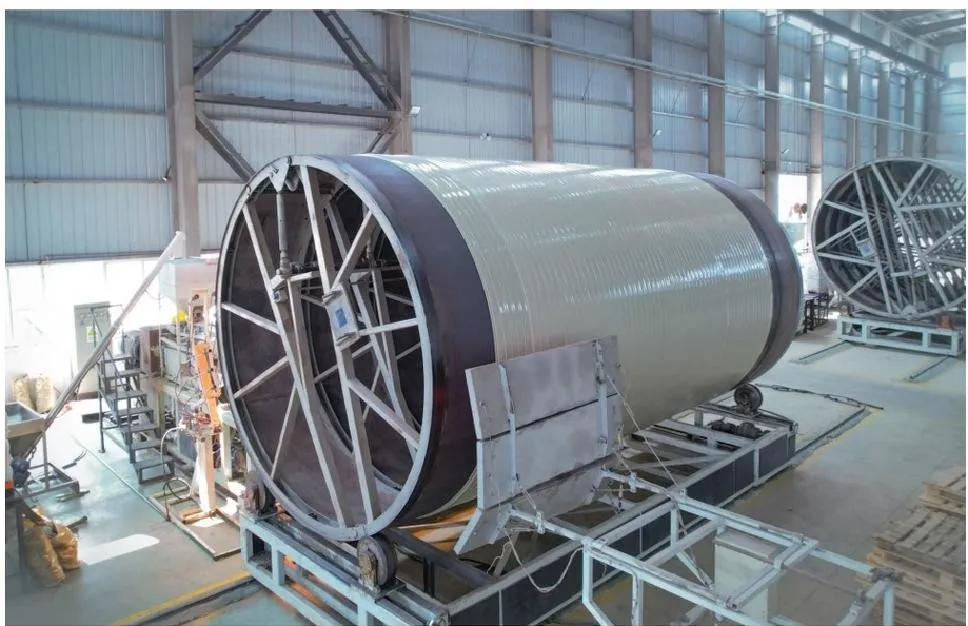
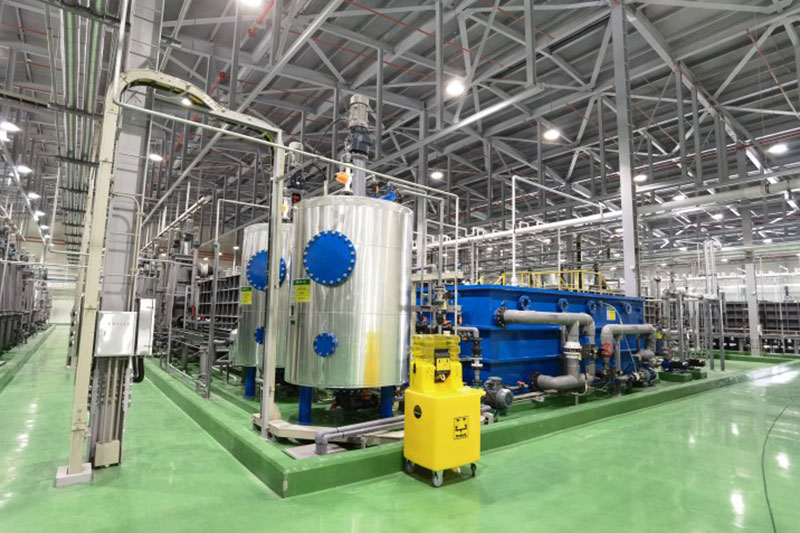
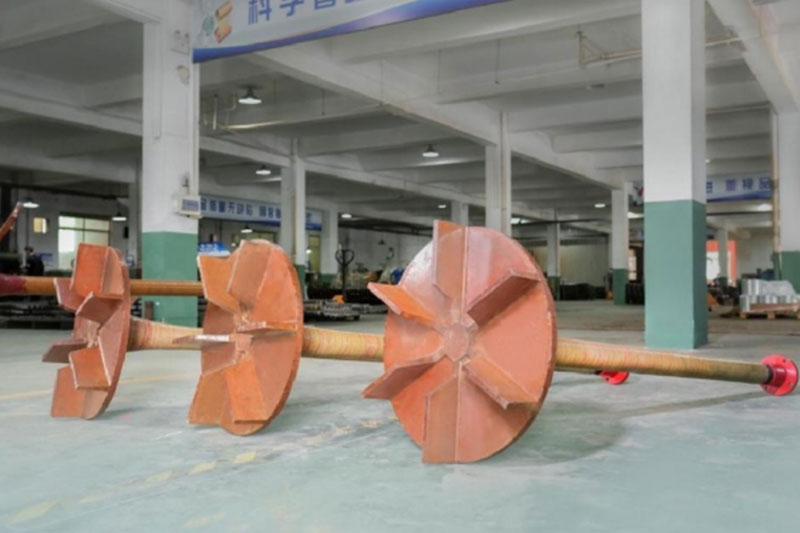
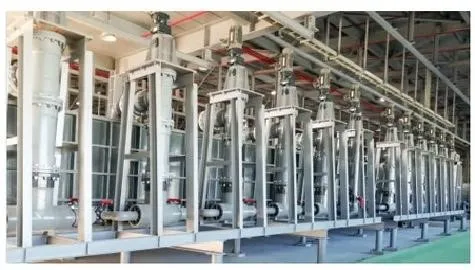
🏭 A strong disposal system usually combines process engineering with specialized equipment. In industrial projects, recovery performance depends not only on chemistry but also on the design of:
- Extraction systems
- Mixing equipment
- Storage systems
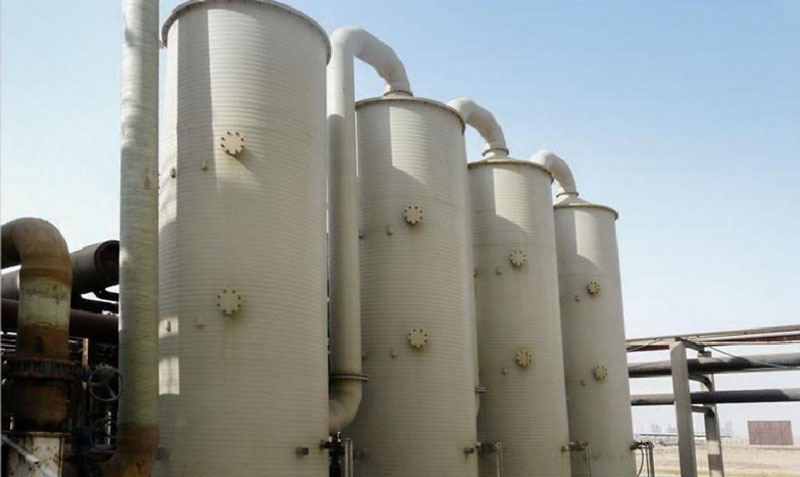
- Wastewater treatment units
- Unités de traitement des gaz résiduaires
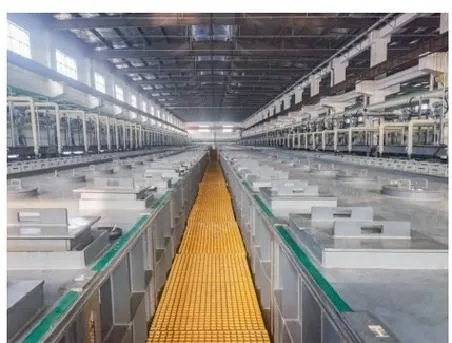
For example, a complete battery-material recycling route may include disassembly and crushing, roasting, leaching, extraction, and crystallization or electrowinning to achieve separation and recovery of le nickel, le cobalt, le manganèse et le lithium. For some feedstocks, intermediate product recovery may also include washing, ion exchange, and purification steps.
Supporting systems are equally important. Corrosion-resistant tanks, extraction equipment, mixing systems, and wastewater and waste-gas treatment units all contribute to safe and stable operation. This is especially relevant when acidic components, solvent systems, or metal-bearing liquids are involved.
A technically mature provider will typically support:
- Process-route selection
- Equipment structure design
- Workshop layout
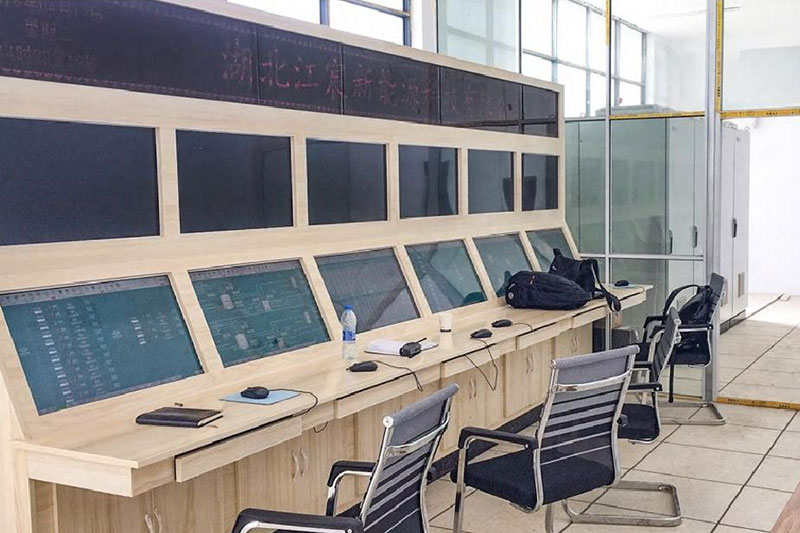
- Automation planning
- Installation and commissioning
This approach is more effective than supplying isolated hardware only.
Key Standards for Choosing the Right Disposal Partner
📌 The best way to dispose of scrap lithium batteries is usually through a qualified recycling partner with both technical and environmental capability. Several factors help determine whether a processor is suitable.
Process Adaptability
Different battery streams require different recovery routes, and rigid systems often perform poorly when feed composition changes.
Safety Management
A capable operator should have clear measures for:
- Residual charge control
- Fire prevention
- Gas treatment
- Traitement des eaux usées
- Safe commissioning
Downstream Recovery Capability
Disposal becomes more effective when the processor can recover battery-grade or near-battery-grade materials instead of generating secondary waste with low value.
Engineering Integration
Disposal projects run more smoothly when process design, equipment manufacturing, installation, training, and commissioning are connected in one delivery model. This reduces interface risk between suppliers and improves startup efficiency.
Conclusion
✅ Safe, compliant, resource-oriented recycling remains the most effective disposal path for scrap lithium batteries.
 Français
  English
  Deutsch
  Português
  Español
  Italiano