
Choosing the wrong tank leads to wasted space, inefficient flow, and rising maintenance costs—understanding the right option ensures safety and operational success.
Vertical chemical storage tanks save space and offer structural strength, while horizontal storage tanks provide easy access, efficient transport, and operational flexibility in chemical storage systems.
Keep reading to determine the best tank type for your needs.
Table des matières
What Is A Vertical Chemical Storage Tank?
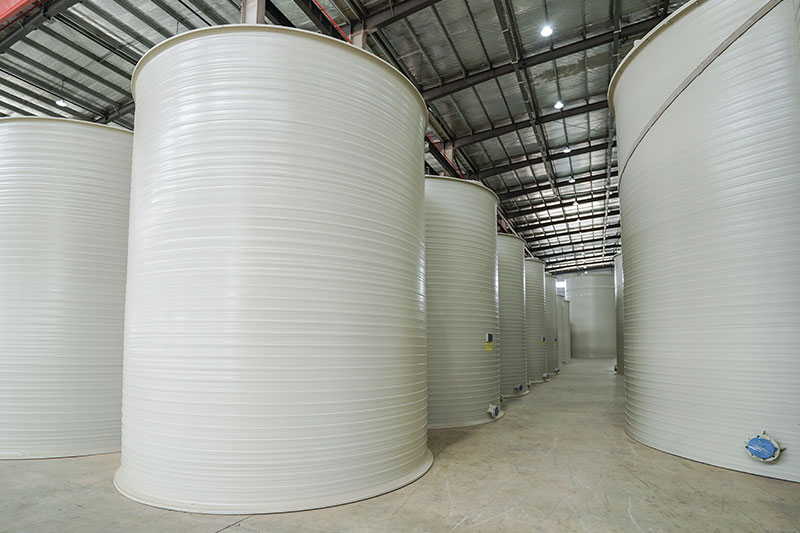
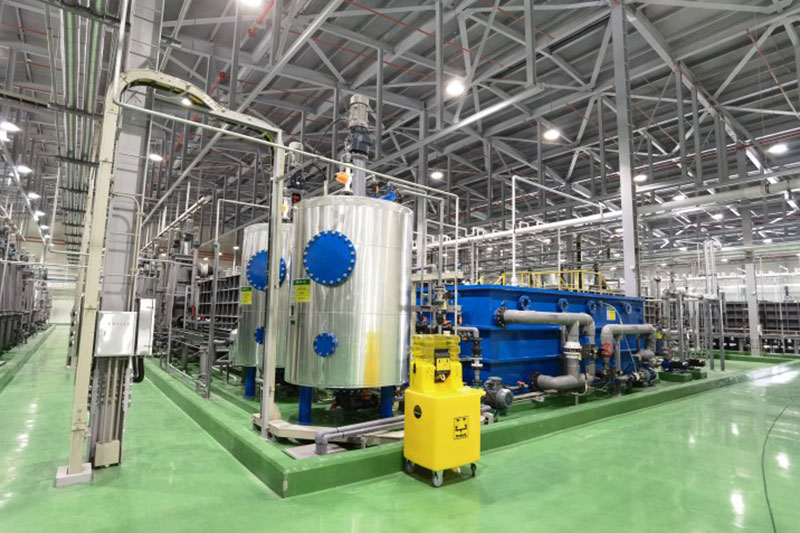
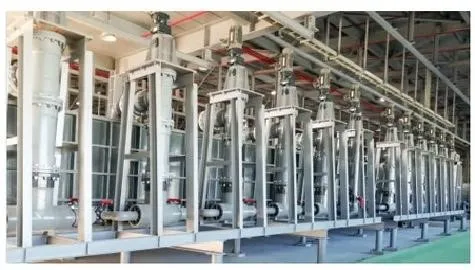
A vertical chemical storage tank is a tall, upright vessel designed to store chemical substances while occupying minimal floor space. Its cylindrical shape supports large capacity in confined layouts, making it a staple in processing plants, wastewater facilities, and chemical storage depots.
These tanks are generally made from corrosion-resistant materials like HDPE, PP, FRP, or stainless steel, tailored to withstand a wide range of chemical compositions. The vertical design promotes natural layering, simplifies gravity-fed discharge, and minimizes surface exposure—key for temperature-sensitive or reactive materials.
Vertical chemical storage tanks often require platforms, ladders, or scaffolds for access and maintenance, which could increase installation and operational complexity. However, their ability to utilize vertical space effectively makes them ideal for locations with limited ground area but sufficient overhead clearance.
What Is A Horizontal Chemical Storage Tank?
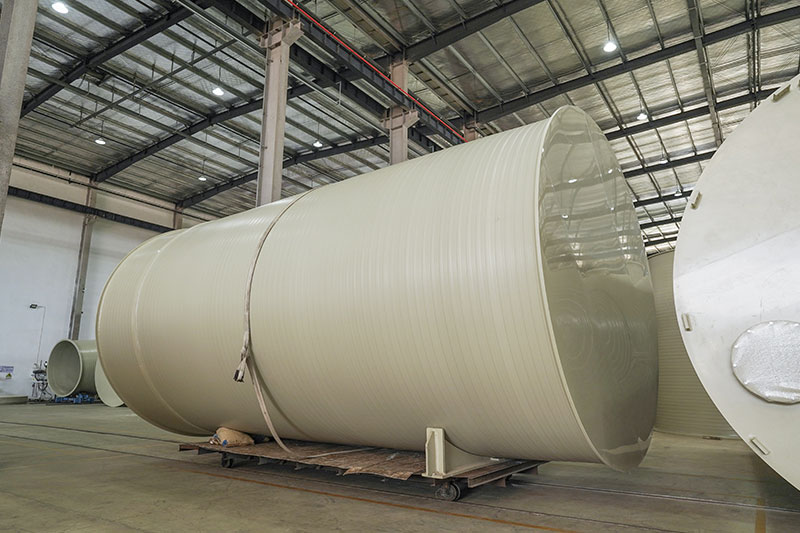
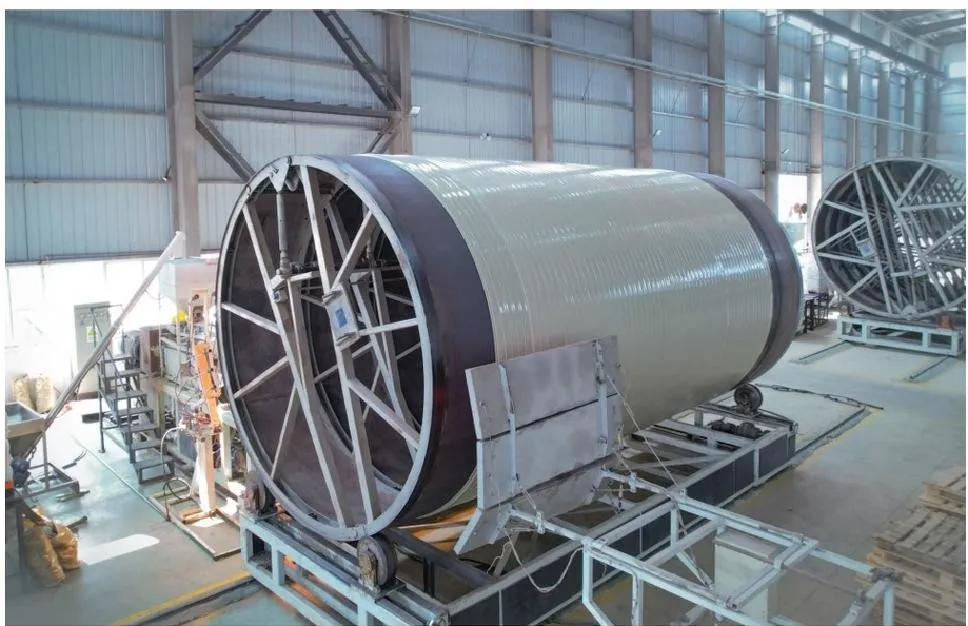
Horizontal storage tanks are ground-mounted vessels positioned lengthwise, with a cylindrical shape supported by saddles or cradles. These tanks are engineered for easy access, improved stability, and greater flexibility in low-ceiling environments or mobile settings.
They are typically used in agriculture, mobile fuel stations, modular chemical systems, and transport applications. Because fittings, manways, and inspection points are often at ground level, horizontal tanks simplify day-to-day operation and reduce the need for elevated work platforms.
TYIC NEW ENERGY’s horizontal storage tanks are manufactured from chemically resistant thermoplastics, with optional features like heating jackets, insulation layers, and integrated sensors for real-time monitoring—making them well-suited for sensitive fluids, temperature-controlled environments, or rapid deployment.
Their stability during seismic activity and ease of transport further enhance their value in remote, temporary, or modular installations.
Benefits Of Vertical Chemical Storage Tanks
Vertical storage tanks deliver several important advantages in high-volume and fixed-site chemical storage:
Space Conservation: Their tall, narrow profile minimizes footprint—critical in urban plants, small facilities, or stacked installations.
Enhanced Pressure Tolerance: Cylindrical vertical walls handle internal pressure evenly, reducing the risk of deformation.
Effective Layering: Fluids naturally settle by density, supporting applications like pH adjustment or multi-phase separation.
Gravity-Driven Flow: Their height assists in draining or transferring contents without pumps, enhancing energy efficiency.
Modular Upgrades: Level gauges, overflow controls, or mixing components can be installed vertically, saving lateral space.
Vertical chemical storage tanks are preferred for permanent, large-volume setups where space is at a premium and structural simplicity is essential.
Benefits Of Horizontal Chemical Storage Tanks
Horizontal storage tanks are ideal for users prioritizing ease of use, mobility, and quick deployment. Benefits include:
Low Installation Height: No scaffolding or overhead clearance needed, allowing placement under platforms, indoors, or underground.
Improved Accessibility: Inspection ports, valves, and sensors are positioned for ground-level access, minimizing risk.
Greater Mobility: The design is optimized for mounting on trailers, skids, or modular platforms.
Thermal Efficiency: The wide diameter aids in uniform heating and cooling, ideal for temperature-sensitive chemicals.
Side-by-Side Expansion: Tanks can be lined up for scalable storage without structural overlap.
TYIC NEW ENERGY’s horizontal tanks deliver convenience, safety, and adaptability for customers managing fast-paced, diverse storage operations.
When To Use Which Tank: How To Decide?
Making the right choice between a vertical storage tank and a horizontal storage tank depends on five key factors:
Space Availability: Vertical chemical storage tanks are best for small footprints and tall spaces; horizontal storage tanks excel where overhead space is restricted.
Installation Type: Choose vertical for permanent, centralized operations. Opt for horizontal in portable, modular, or temporary setups.
Operational Tasks: Horizontal tanks reduce labor during inspections or sampling due to low access points.
Fluid Type: Use vertical tanks for sedimentation or layering; horizontal tanks for quick-access and uniform temperature management.
Budget Constraints: Horizontal storage tanks offer lower upfront costs in transport and setup; vertical storage tanks reduce land use costs over time.
Both tank types are available from TYIC NEW ENERGY, with customizations to fit chemical resistance, volume, and process integration needs.
Résumé
Match the tank to your layout and needs—each type offers powerful advantages in chemical storage performance.
 Français
  English
  Deutsch
  Português
  Español
  Italiano