
Improper battery recycling causes toxic emissions, unsafe waste, and material losses. These failures create legal and financial risks; certified recycling systems provide a safer solution.
A certified lead acid battery recycler should maintain valid permits, documented treatment procedures, effective pollution controls, worker protection, shipment traceability, and approved recovery routes. Buyers should verify certification scope, operational capacity, environmental performance, audit records, emergency plans, and downstream partners before establishing a long-term recycling agreement.
Certification is only the beginning. Reliable recycling also depends on technology, traceability, environmental controls, and consistent operational performance.
Inhaltsübersicht
Why Certification Matters
Used lead-acid batteries contain valuable recoverable materials, including lead, plastics, and electrolyte, but they can also create serious environmental and occupational risks when handled incorrectly.
Certification indicates that a recycler has been assessed against defined management or operational requirements. However, buyers should not rely only on a certificate logo or marketing statement.
The following details should always be verified:
- Certificate validity date
- Certification body
- Facility name and address
- Scope of certified activities
- Applicable recycling processes
- Related environmental permits
The certificate must cover the actual facility and services included in the proposed cooperation.
A qualified recycler should also provide valid permits for battery storage, hazardous waste handling, production operations, air emissions, wastewater discharge, and transportation.
Because regulatory requirements vary by region, procurement teams should confirm compliance with the relevant local authorities.
Documented and verifiable compliance is more important than promotional claims.
Core Capabilities of a Qualified Recycler
A certified lead acid battery recycler should control the complete material flow, from battery collection to final material recovery or disposal.
Incoming batteries should undergo:
- Controlled unloading
- Inspection and classification
- Accurate weighing
- Sichere Zwischenlagerung
- Separate handling of damaged batteries
- Leakage and spill prevention
Damaged or leaking batteries require designated areas with corrosion-resistant flooring, containment systems, and emergency response materials.
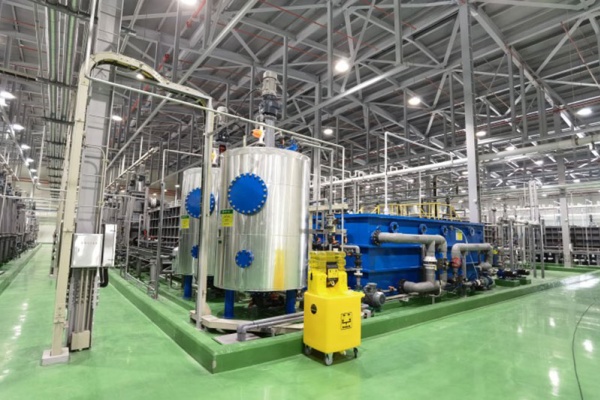
The recycling process may include battery breaking, lead-component separation, electrolyte collection, plastics recovery, residue treatment, and wastewater purification.
Each processing stage requires suitable equipment, including:
- Enclosed material transfer systems
- Ventilation and dust collection equipment
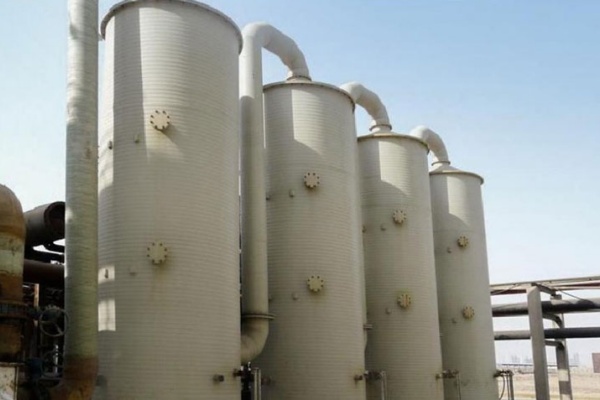
- Acid-mist treatment systems
- Korrosionsbeständige Lagertanks
- Wastewater treatment facilities
- Sludge collection and storage units
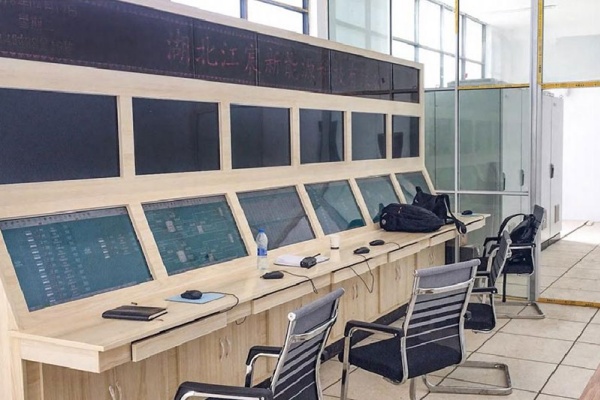
- Automated monitoring and control systems
The recycler should clearly explain where lead, acid, plastics, sludge, and other residues are transferred after processing.
Production Capacity and Operational Stability
Processing capacity should be evaluated carefully.
Buyers should compare the recycler’s stated annual capacity with its actual:
- Equipment configuration
- Operating hours
- Storage capacity
- Maintenance records
- Workforce arrangement
- Historical production data
A facility that accepts more batteries than it can process may experience storage congestion, delayed settlements, material deterioration, and increased environmental risk.
Stable operating capacity is therefore as important as certification.
Routine maintenance is another important indicator. Equipment failures in crushing, separation, ventilation, wastewater treatment, or exhaust-gas purification may interrupt production and increase compliance risks.
A dependable recycler should maintain preventive maintenance plans, inspection records, spare-parts inventories, and emergency repair procedures.
Environmental Protection Systems
Lead dust, acidic mist, contaminated wastewater, and process residues must be controlled throughout the recycling operation.
Effective facilities normally use:
- Enclosed processing areas
- Local exhaust ventilation
- Dust collection systems
- Acid-mist scrubbers
- Leak-proof floors
- Controlled drainage systems
- Wastewater monitoring equipment
- Emergency containment facilities
Wastewater treatment systems should reduce acidity, suspended solids, dissolved metals, and other contaminants before discharge or reuse.
Generated sludge should be properly identified, labelled, stored, and transferred through approved treatment channels.
Air-pollution-control equipment should be inspected regularly, while emission-monitoring results should remain available for customer or regulatory review.
Environmental performance should be demonstrated through records, not assumptions.
Worker Health and Safety
Worker protection is essential in lead-acid battery recycling.
Employees may face exposure to lead dust, acid, contaminated materials, mechanical equipment, and high-temperature processes.
A responsible recycler should provide:
- Regular safety training
- Protective clothing and gloves
- Respiratory protection
- Washing and hygiene facilities
- Clean and contaminated area separation
- Occupational health monitoring
- Spill and fire response procedures
- Clearly marked emergency exits
Buyers should review accident records, exposure-monitoring data, corrective actions, and emergency drill reports.
Repeated safety incidents may indicate weak management, inadequate equipment, or ineffective operating procedures.
Traceability and Material Transparency
Reliable recyclers maintain a complete chain of custody for every shipment.
Records should include:
- Material origin
- Battery type
- Shipment weight
- Receipt date
- Processing status
- Recovered material quantity
- Residue quantity
- Final material destination
Weighing systems should be calibrated, and settlement methods should be explained before collection.
For customers with ESG, sustainability, or regulatory reporting requirements, the recycler should provide structured recycling reports.
These reports may include recovery rates, waste volumes, environmental indicators, processing dates, and downstream transfer evidence.
Transparent mass-balance reporting helps confirm that recoverable materials are processed correctly and hazardous residues are not diverted to uncontrolled channels.
Commercial and Contractual Controls
The recycling contract should clearly define:
- Material ownership transfer
- Pricing and settlement formulas
- Contamination allowances
- Rejected-load procedures
- Transportation responsibilities
- Documentation requirements
- Payment schedules
- Environmental liabilities
- Emergency responsibilities
Clear commercial terms reduce disputes and help both parties evaluate supplier performance objectively.
Trial shipments may also be used before establishing a long-term contract. A trial order can test weighing accuracy, communication efficiency, documentation quality, payment reliability, and material-handling discipline.
Engineering and Equipment Considerations
Recycling performance depends heavily on process design and equipment reliability.
Depending on the facility configuration, the project may require:
- Korrosionsbeständige Tanks
- Reaction vessels
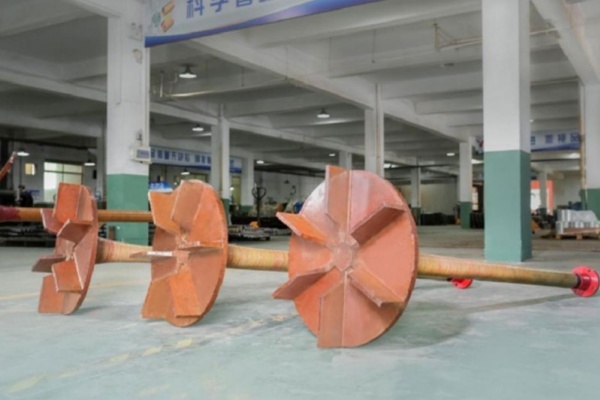
- Separation equipment
- Röhrenmischabzüge
- Oil-removal systems
- Acid-mist absorption equipment
- Kläranlagen
- Automated electrical controls
TYIC bietet engineering, equipment manufacturing, installation, commissioning, and technical support for industrial recycling and environmental projects.
Its capabilities include process selection, equipment design, workshop layout optimization, pipeline and cable-tray design, electrical automation, operator training, and production commissioning.
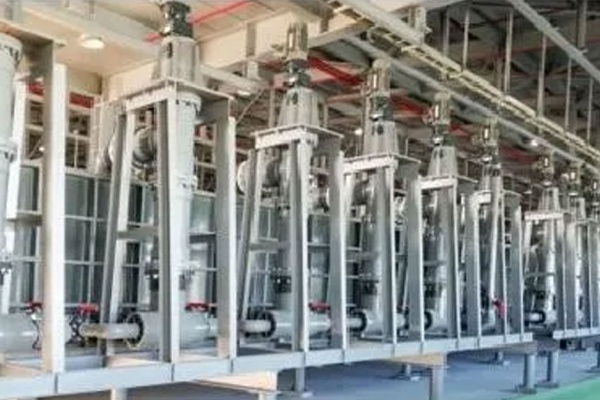
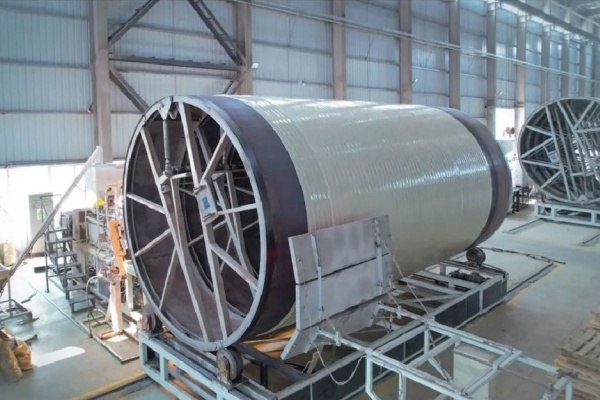
TYIC also supplies corrosion-resistant equipment manufactured from PPH, HDPE, PVC, FRP, and lined materials, selected according to process conditions and chemical compatibility.
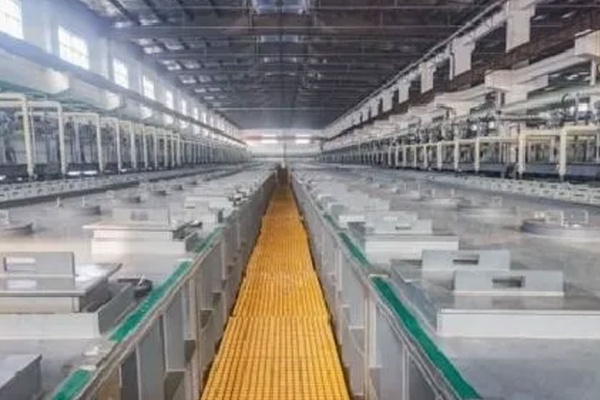
According to company project information, TYIC has supported multiple battery-material recycling production lines and industrial environmental projects.
Its engineering resources cover process, machinery, equipment, materials, automation, and environmental-control disciplines.
Supplier Evaluation Checklist
Before selecting a certified lead acid battery recycler, buyers should confirm:
- Certificate authenticity
- Permit validity
- Processing capacity
- Storage limits
- Environmental monitoring
- Worker protection
- Emergency readiness
- Shipment traceability
- Insurance coverage
- Downstream treatment routes
- Customer references
- Corrective-action records
A site audit should compare documented procedures with actual operating conditions.
Auditors should check for leaks, damaged floors, excessive dust, open acid handling, unlabelled residues, overloaded storage areas, incomplete records, or poorly maintained pollution-control equipment.
Serious gaps should be corrected before supplier approval.
A certified recycler combines valid credentials, controlled operations, transparent records, reliable engineering, and responsible environmental management.
 Deutsch
  English
  Français
  Português
  Español
  Italiano