
Industrieabgase bedrohen die Einhaltung von Vorschriften und die Nachhaltigkeit; unkontrollierte Emissionen führen zu Geldstrafen, Betriebsstilllegungen und Reputationsverlusten. Integrierte Abgasreinigungssysteme sorgen für eine stabile, konforme Luftreinhaltung.
Bei der Abgasbehandlung und Luftreinhaltung werden technische Systeme eingesetzt, um schädliche Industrieemissionen aufzufangen, zu neutralisieren und zu entfernen und so die Einhaltung von Vorschriften, die Betriebssicherheit und eine nachhaltige Produktion in der Energie-, Chemie- und Recyclingindustrie zu gewährleisten.
In den folgenden Abschnitten wird erläutert, wie eine technische Abgasbehandlung den Druck der Umwelt in Betriebssicherheit umwandelt.
Inhaltsübersicht
1. Industrielle Abgase: Hauptrisiken und -herausforderungen
- Emissionen enthalten oft saure Gase, VOC und Partikel
- Regulierungsstandards werden weltweit weiter verschärft
- Schlechte Systemauslegung verursacht Instabilität und Sekundärverschmutzung
Branchen wie die chemische Industrie, die Verarbeitung von Nichteisenmetallen und das Recycling von Lithiumbatterien haben mit komplexen Abgaszusammensetzungen zu kämpfen. Ohne angemessene Behandlung stellen diese Gase langfristige Risiken für die Einhaltung von Vorschriften und die Produktion dar.
2. Technisch orientierte Luftreinhaltung
Eine wirksame Abgasbehandlung beginnt mit einer technischen Analyse, nicht mit isolierten Geräten.
Zu den wichtigsten Designüberlegungen gehören:
- Gaszusammensetzung und Korrosivität
- Temperatur und Luftfeuchtigkeit
- Schwankungen der Durchflussmenge
- Anforderungen an die Prozesskontinuität
Gemeinsame angewandte Technologien:
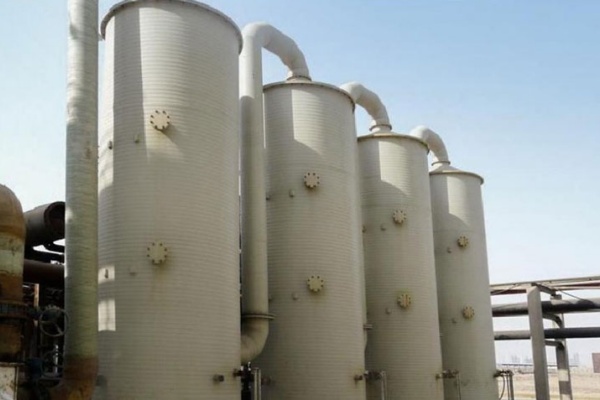
- Wäscher für Säuren und Laugen
- Absorptions- und Füllkörpertürme
- Mehrstufige Nassbehandlungssysteme
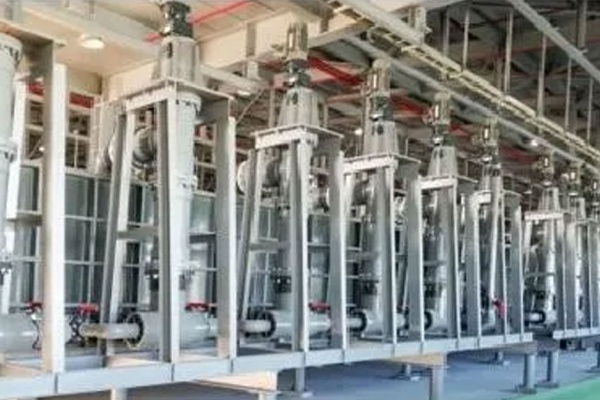
Hangzhou Tianyicheng New Energy Technology Co, Ltd. wendet eine EPC-Logik für den gesamten Prozess an, die eine stabile Leistung von der Gassammlung bis zur endgültigen Entladung gewährleistet.
3. Korrosionsbeständige Materialien für den Langzeitbetrieb
Die Wahl des Materials wirkt sich direkt auf die Lebensdauer des Systems und die Wartungskosten aus.
Vorteile der Materialien PPH und HDPE:
- Ausgezeichnete Säure- und Laugenbeständigkeit
- Leicht und dennoch strukturell stabil
- Lange Lebensdauer in rauen Umgebungen
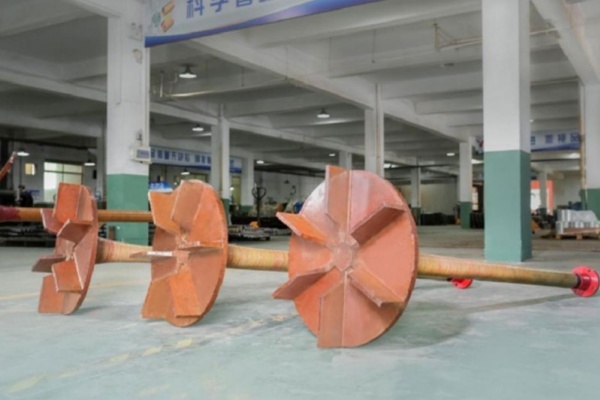
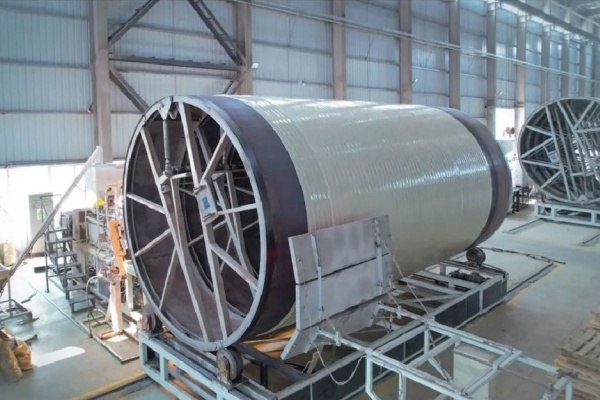
Durch die interne Herstellung von korrosionsbeständigen Tanks, Wäschern und Rohrleitungen gewährleistet TYIC eine gleichbleibende Qualität und reduziert die Betriebskosten über die gesamte Lebensdauer.
4. Modularer Aufbau für flexible Produktion
Moderne Industrieanlagen erfordern anpassungsfähige Systeme.
Modulare Abgasbehandlung bietet:
- Einfache Kapazitätserweiterung
- Mehrstufige Schadstoffentfernung
- Reduzierter Druckverlust und Energieverbrauch
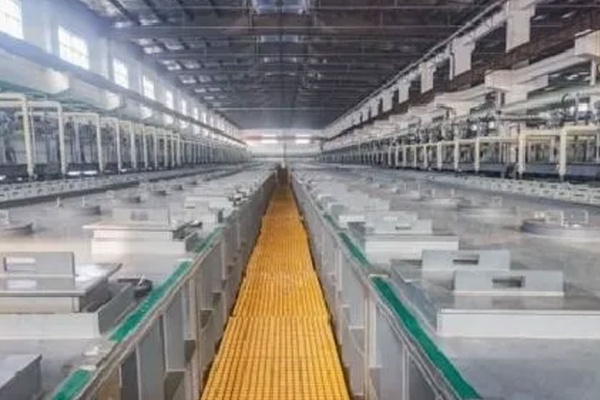
Eine optimierte Geräteanordnung verbessert die Effizienz der Quellenerfassung und minimiert flüchtige Emissionen in den Produktionsbereichen.
5. Integration mit Umweltschutzsystemen
Die Abgasnachbehandlung sollte mit anderen Umweltsystemen zusammenarbeiten.
Integriertes Design unterstützt:
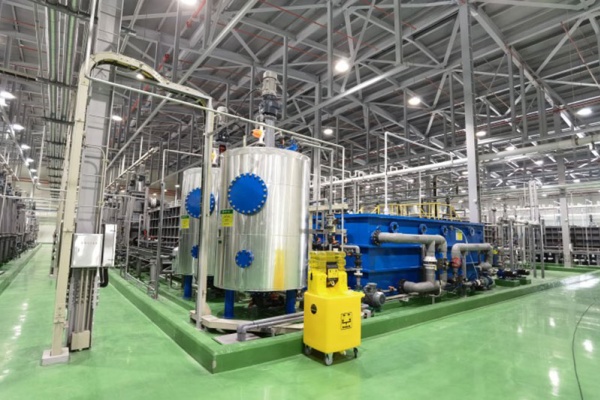
- Abwasserbehandlung aus der Nasswäsche
- Geschlossener Kreislauf zur Kontrolle der Umweltverschmutzung
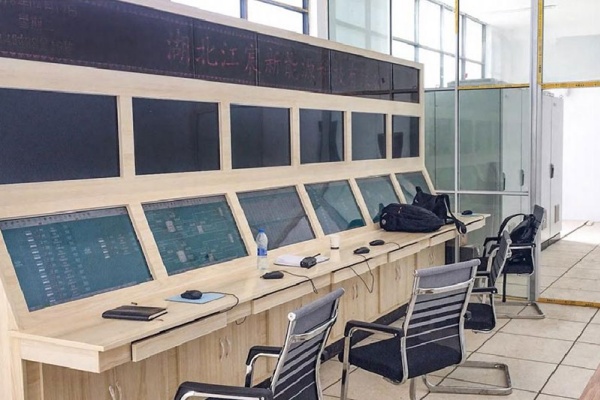
- Einheitliches Management der Einhaltung von Umweltvorschriften
Bei diesem ganzheitlichen Ansatz werden Luft-, Wasser- und Abfallbehandlung in einer einzigen Umweltstrategie zusammengeführt.
6. Anwendungen in wachstumsstarken Branchen
Die Abgasbehandlung ist entscheidend:
- Recycling von Lithiumbatterien
- Raffination von Nichteisenmetallen
- Chemische Produktion
In diesen Bereichen werden häufig Fluoride, Metalldämpfe und korrosive Gase freigesetzt. Maßgeschneiderte Behandlungssysteme gewährleisten die Einhaltung der Vorschriften und unterstützen gleichzeitig eine stabile, kontinuierliche Produktion.
7. Langfristiger Wert über die Einhaltung der Vorschriften hinaus
Gut konzipierte Abgasreinigungssysteme bieten mehr als nur eine behördliche Genehmigung.
Die wichtigsten langfristigen Vorteile:
- Verbesserte Sicherheit am Arbeitsplatz
- Geringere Korrosion der Ausrüstung
- Niedrigere Betriebs- und Wartungskosten
- Stärkere ESG- und Nachhaltigkeitsleistung
Die Abgaskontrolle wird zu einer strategischen Investition und nicht zu einer Belastung durch Vorschriften.
Zuverlässige Abgasreinigungssysteme schützen die Einhaltung der Vorschriften, die Effizienz und die Nachhaltigkeit und unterstützen die langfristige industrielle Entwicklung.
 Deutsch
  English
  Français
  Português
  Español
  Italiano