
Discarded batteries create environmental risks and resource shortages. Without effective recycling systems, valuable materials are lost, costs increase, and supply chains become vulnerable. Battery recycling infrastructure provides a sustainable solution.
Battery recycling is rapidly evolving from a waste management activity into essential industrial infrastructure. By recovering critical materials such as lithium, nickel, cobalt, and manganese, recycling facilities support resource security, reduce environmental impact, strengthen supply chains, and help meet the growing demand for electric vehicles and energy storage systems.
As global battery consumption accelerates, understanding why recycling infrastructure matters has become increasingly important.
Inhaltsübersicht
Why Battery Recycling Is No Longer Optional
The global transition toward electric vehicles (EVs), renewable energy storage systems, and portable electronics has dramatically increased demand for lithium-ion batteries. While these technologies support decarbonization goals, they also create a growing challenge: managing end-of-life batteries responsibly.
Millions of batteries will reach retirement over the next decade. If these batteries are improperly disposed of, they can contribute to environmental contamination and create safety hazards. More importantly, they contain valuable metals that are becoming increasingly difficult and expensive to source through traditional mining operations.
Governments, manufacturers, and recycling companies now recognize that battery recycling is not simply an environmental responsibility—it is a strategic necessity for long-term industrial development.
The Growing Demand for Critical Battery Materials
Modern lithium-ion batteries rely on a range of critical minerals, including:
- Lithium
- Nickel
- Kobalt
- Mangan
- Copper
- Graphite
As EV adoption continues to expand globally, demand for these materials is expected to rise significantly. However, mining projects often require years of development, substantial capital investment, and regulatory approvals.
Battery recycling offers an alternative source of these valuable materials. Instead of relying exclusively on newly mined resources, manufacturers can recover high-purity metals from used batteries and reintroduce them into production cycles.
This circular approach helps reduce dependence on raw material extraction while improving supply chain resilience.
Recycling Facilities Are Becoming Strategic Infrastructure
Historically, infrastructure referred to assets such as roads, ports, power grids, and water treatment plants. Today, battery recycling facilities are increasingly viewed through the same lens.
These facilities perform several critical functions:
Resource Recovery
Advanced recycling technologies enable the recovery of valuable metals that can be reused in new battery production. This reduces waste while supporting domestic material supplies.
Supply Chain Security
Geopolitical uncertainties and fluctuating commodity markets can disrupt access to critical minerals. Recycling infrastructure creates a secondary source of raw materials, helping manufacturers reduce supply risks.
Schutz der Umwelt
Proper recycling prevents hazardous battery components from entering landfills and ecosystems. It also reduces the environmental footprint associated with mining and refining virgin materials.
Economic Development
Battery recycling plants create skilled employment opportunities and stimulate investment in advanced manufacturing, chemical processing, and environmental technologies.
As a result, many countries now consider battery recycling infrastructure a strategic component of their clean energy and industrial policies.
Advanced Technologies Driving Recycling Efficiency
The effectiveness of battery recycling depends heavily on the technologies used throughout the recovery process.
Modern facilities employ sophisticated systems for:
- Battery dismantling
- Material separation
- Lösungsmittel-Extraktion
- Metal purification
- Behandlung von Abwässern
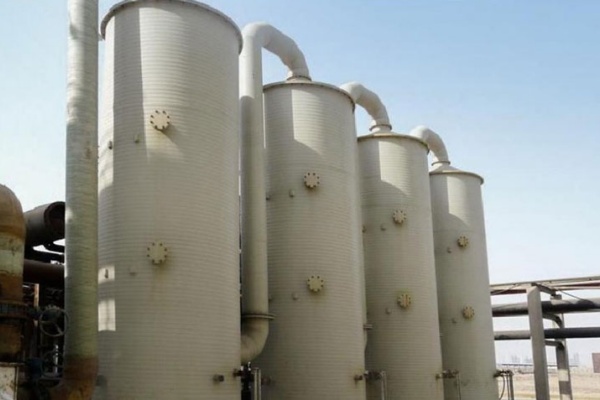
- Emission control
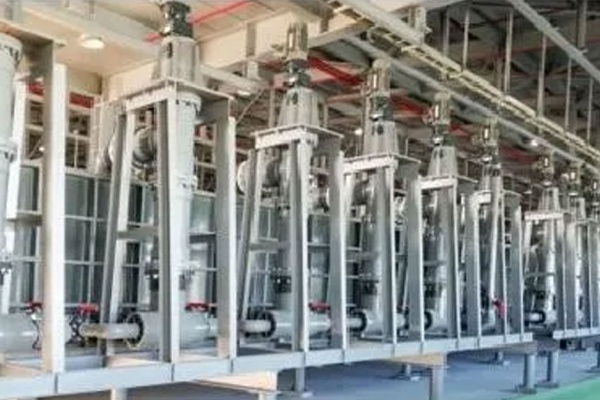
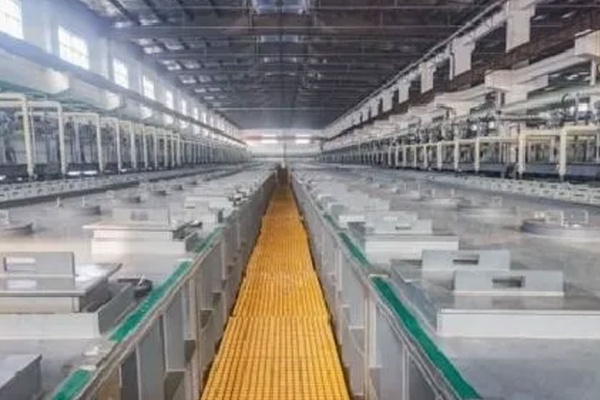
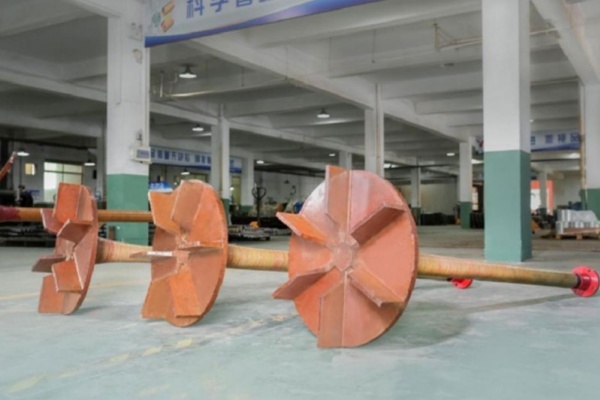
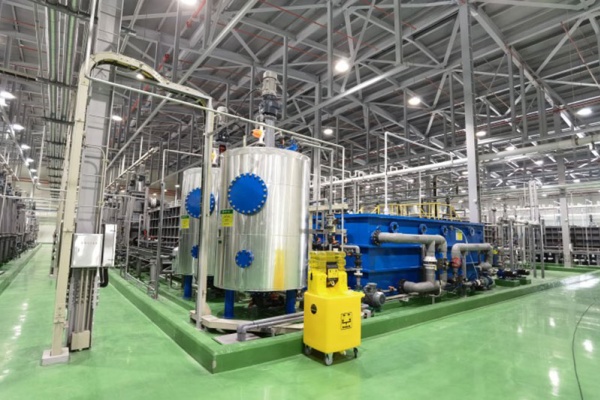
Among these technologies, solvent extraction plays a particularly important role in recovering high-value metals from complex battery leachates.
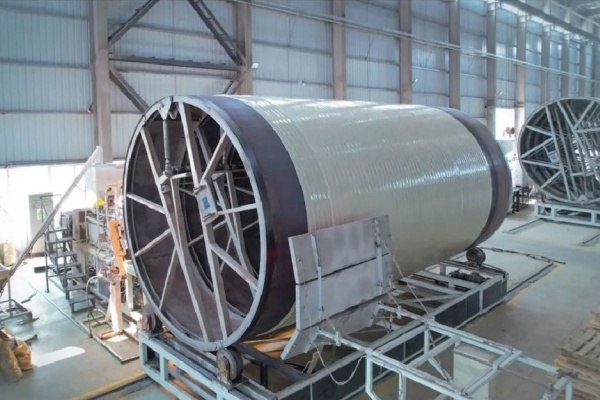
High-efficiency extraction systems can improve metal recovery rates, reduce chemical consumption, and enhance overall operational performance. Advanced equipment design also helps operators maintain process stability while minimizing environmental impact.
As recycling volumes increase, the adoption of innovative extraction and environmental protection technologies will become essential for maintaining profitability and regulatory compliance.
Government Policies Accelerating Infrastructure Development
Governments worldwide are introducing regulations that encourage battery collection, recycling, and material recovery.
Key policy drivers include:
- Extended Producer Responsibility (EPR) programs
- Mandatory recycling targets
- Critical mineral security strategies
- Carbon reduction initiatives
- Circular economy legislation
Regions such as Europe, North America, China, South Korea, and Japan are investing heavily in battery recycling capacity. These investments reflect growing recognition that recycling infrastructure supports both environmental objectives and industrial competitiveness.
The combination of regulatory pressure and market demand is accelerating the construction of large-scale recycling facilities across global markets.
The Future of a Circular Battery Economy
The future battery industry will increasingly rely on a closed-loop ecosystem in which materials continuously circulate between production, use, collection, and recycling.
In this model:
- Batteries are manufactured using both virgin and recycled materials.
- Products reach end-of-life and enter collection systems.
- Recycling facilities recover valuable metals.
- Recovered materials return to battery manufacturers.
- New batteries are produced with reduced dependence on mining.
This circular economy approach offers significant advantages, including lower environmental impact, greater resource efficiency, and enhanced supply chain stability.
As battery demand continues to grow, recycling infrastructure will become as fundamental to the energy transition as power plants, transmission networks, and transportation systems.
Battery recycling infrastructure is becoming indispensable for resource security, environmental sustainability, and the long-term growth of the global clean energy economy.
 Deutsch
  English
  Français
  Português
  Español
  Italiano