
Improper lead battery recycling releases toxic lead, contaminates workplaces, and wastes valuable materials. A controlled recycling system prevents exposure while recovering lead, plastic, and electrolyte efficiently.
The lead battery recycling process collects spent batteries, neutralizes electrolyte, separates plastic and lead components, smelts and refines recovered lead, treats emissions and wastewater, and returns qualified materials to manufacturing. Effective facilities combine enclosed handling, corrosion-resistant equipment, process control, pollution treatment, and documented quality management.
The following stages show how an integrated recycling line converts hazardous battery waste into reusable industrial materials.
Inhaltsübersicht
1. Collection, Inspection, and Safe Storage
The process begins with the controlled collection of spent lead-acid batteries from multiple industrial applications. Each load is weighed and inspected for damage, leakage, contamination, or mixed chemistries.
Batteries are stored upright in acid-resistant areas equipped with:
- Secondary containment for leaked electrolyte
- Ventilation systems to control acidic vapors
- Spill-response equipment for emergencies
- Restricted access and protective equipment
Lead-acid batteries must be separated from lithium-ion batteries and unrelated waste. Leaking units are contained before processing.
2. Battery Breaking and Material Separation
After inspection, batteries enter an enclosed breaking system. Crushers or hammer mills open the casings and release:
- Polypropylene case fragments
- Metallic grids and lead terminals
- Lead oxide paste
- Plastic separators
- Sulfuric acid electrolyte
A density-based system then separates the materials. Lightweight polypropylene floats and can be washed, dried, and pelletized for reuse. Heavier lead-bearing components settle and move to smelting. Lead paste is collected separately for controlled preparation.
Enclosed conveyors, local exhaust ventilation, and washable surfaces help contain lead dust and acidic mist.
3. Electrolyte Recovery and Neutralization
Battery electrolyte mainly consists of dilute sulfuric acid containing dissolved metals and suspended solids. Depending on plant design and regulations, it may be purified, converted into a sulfate product, or neutralized before wastewater treatment.
Neutralization uses alkaline reagents under controlled pH conditions. The resulting slurry passes through clarification, filtration, or chemical precipitation to remove contaminants.
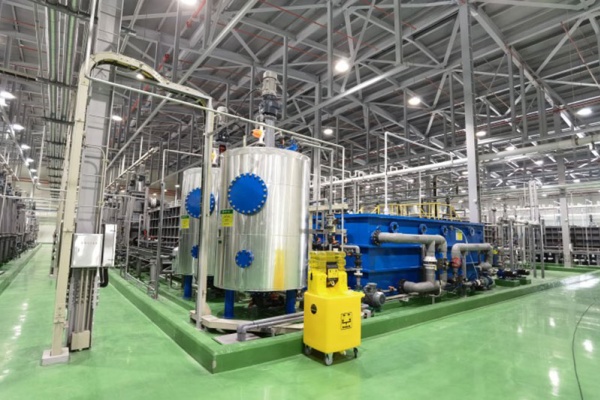
Treated water must meet recycling or discharge requirements. Process equipment requires corrosion-resistant construction, level control, and secondary containment.
4. Lead Paste Desulfurization
Lead paste typically contains lead sulfate, lead oxide, and other lead compounds. Some plants feed it directly into the furnace, while others apply desulfurization before smelting.
During desulfurization, the paste reacts with carbonate- or hydroxide-based reagents. This converts lead sulfate into lead carbonate or lead oxide while producing a sulfate-rich liquid stream.
Key benefits may include:
- Lower sulfur dioxide generation
- Improved furnace stability
- Reduced corrosion risk
- Better emission-control performance
Operation depends on dosing, mixing, reaction time, temperature, filtration, and washing. The filtered lead-rich cake moves to smelting, while the liquid stream enters treatment or salt recovery.
5. Smelting and Primary Lead Recovery
Metallic grids, terminals, and prepared lead paste are charged into a furnace with reducing agents and fluxes. Under controlled temperature and atmosphere, lead compounds are converted into molten lead.
During smelting:
- Molten lead is collected for refining
- Slag captures selected impurities
- Process gas moves to the air-treatment system
Furnace selection depends on feed composition, capacity, energy strategy, emission limits, and required product quality. Several furnace configurations may be used.
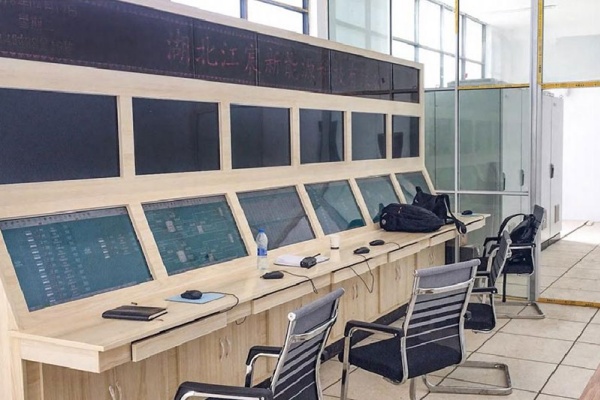
Monitoring temperature, pressure, oxygen level, fuel consumption, and off-gas conditions improves recovery efficiency and process stability.
6. Lead Refining and Alloy Production
Crude lead may contain antimony, tin, arsenic, copper, and other impurities. Verfeinerung removes or adjusts these elements through controlled oxidation, drossing, softening, alloying, and related metallurgical operations.
The final product may be:
- High-purity soft lead
- Antimonial lead
- Calcium-based battery alloy
- Another specified lead grade
Molten lead is cast into ingots, labeled, tested, and stored for shipment. Laboratory analysis, calibrated instruments, and documented batch records support traceability, composition control, and consistent quality.
7. Emission, Wastewater, and Residue Control
Environmental control must be integrated throughout the recycling line. Dust collection systems capture lead particles generated during breaking, conveying, furnace charging, refining, and casting.
Typical control equipment includes:
- Enclosed extraction hoods
- Negative-pressure work areas
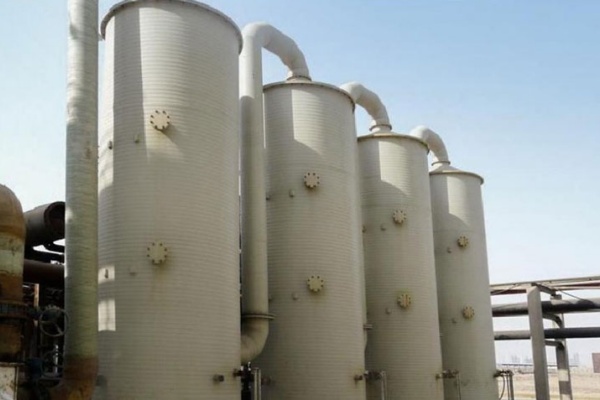
- Baghouse filters and wet scrubbers
- Acid-mist treatment units
- Monitored exhaust stacks
Wastewater treatment removes suspended solids, dissolved lead, acidity, and process chemicals. Filter cake, dross, slag, used filter media, and cleaning residues are tested before internal recycling or transfer to authorized treatment facilities.
8. Integrated Equipment and Process Design
A reliable lead battery recycling plant requires coordinated process design, equipment layout, materials selection, automation, safety control, and environmental management.
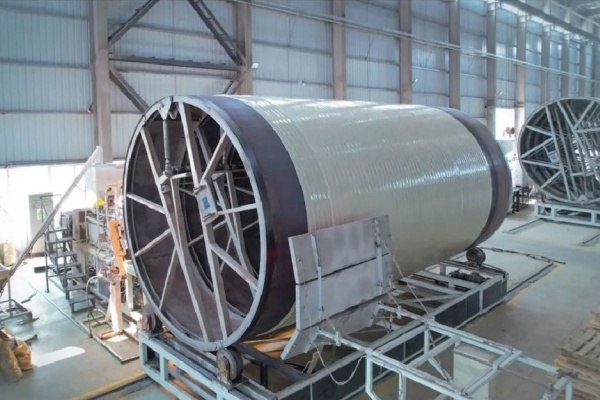
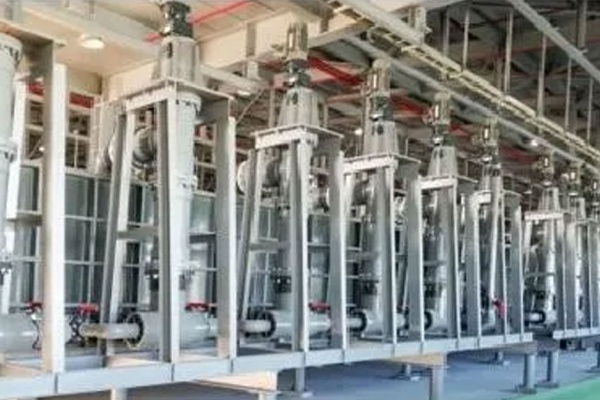
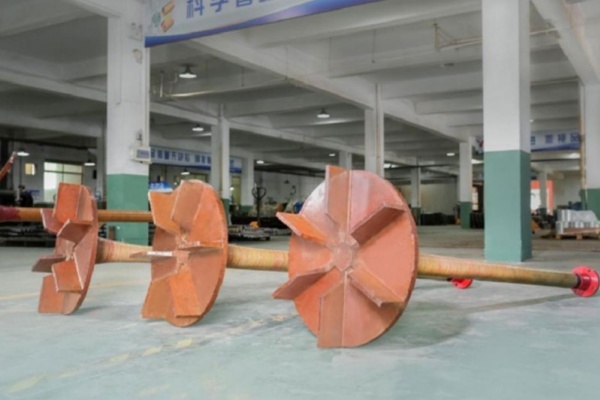
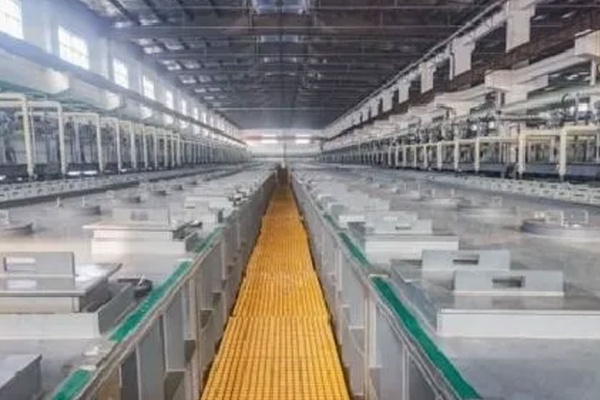
Corrosion-resistant tanks, mixing equipment, separators, pipelines, extraction systems, and wastewater treatment units must operate as one integrated system. Proper layout improves maintenance access, reduces cross-contamination, and strengthens operational safety.
TYIC provides customized process design, equipment manufacturing, layout optimization, installation support, commissioning, and technical training for recycling and environmental projects. Systems can be configured according to feed conditions, production capacity, product specifications, site limitations, and environmental requirements.
Controlled lead battery recycling protects workers and communities while returning lead, plastic, and chemical resources to industrial use.
 Deutsch
  English
  Français
  Português
  Español
  Italiano