
Black mass is valuable but difficult to separate. Poor recovery causes metal loss, waste, and compliance pressure. Integrated hydrometallurgical recycling solves this challenge.
Black mass recycling recovers critical battery materials through controlled pre-treatment, leaching, purification, solvent extraction, crystallization, precipitation, and environmental treatment. This process separates nickel, cobalt, manganese, lithium, and other valuable metals into reusable materials for battery precursors, cathode production, and related industrial applications.
To understand its value, the recovery route and equipment requirements must be examined step by step.
Inhaltsübersicht
1. What Is Black Mass?
Black mass is the fine powder generated after retired lithium-ion batteries are discharged, dismantled, crushed, and physically separated. It usually contains nickel, cobalt, manganese, lithium, graphite, copper, aluminum, iron, electrolyte residues, and other impurities.
For battery recycling companies, black mass is not ordinary industrial waste. It is a concentrated source of critical battery materials. However, its composition is complex because different batteries use different chemistries, production standards, aging conditions, and pre-treatment methods.
This means that black mass recycling requires more than simple metal recovery. It requires a complete technical system that can manage:
- Raw material variability
- Complex impurity separation
- High metal recovery requirements
- Corrosive solution environments
- Abgas- und Abwasserbehandlung
- Stable continuous production
For companies in lithium battery recycling, non-ferrous metal processing, and battery material production, the real value of black mass depends on whether critical metals can be recovered efficiently, safely, and consistently.
2. Main Materials Recovered from Black Mass
The key target materials in black mass recycling are usually Nickel, Kobalt, Mangan und Lithium. These metals are widely used in ternary battery materials, cathode precursors, and new energy applications.
Depending on the process route and product target, recovered materials may include:
- Nickel sulfate
- Cobalt sulfate
- Manganese sulfate
- Lithiumcarbonat
- Lithiumhydroxid
- Nickel-cobalt intermediate products
- Battery-grade or industrial-grade metal salts
In some projects, black mass may also contain recoverable copper, aluminum, graphite, iron, or other by-products. However, nickel, cobalt, manganese, and lithium remain the main focus because they directly affect battery material value and recycling economics.
A stable recovery process should therefore not only extract metals, but also control product purity, impurity content, reagent consumption, and environmental discharge.
3. Typical Black Mass Recycling Process
A practical black mass recycling project often adopts a hydrometallurgical route. This route is suitable for selective metal recovery and can be adjusted according to raw material composition and product requirements.
A typical process may include:
3.1 Pre-Treatment
Pre-treatment prepares black mass for chemical recovery. It may include screening, impurity removal, drying, slurry preparation, and feed stabilization. Good pre-treatment improves downstream leaching efficiency and reduces process fluctuation.
3.2 Leaching
Leaching dissolves target metals into solution. Acid systems and reducing agents may be selected based on material characteristics. This stage directly affects recovery rate, reagent cost, and impurity behavior.
3.3 Purification
After leaching, the solution contains target metals and impurities. Purification removes iron, aluminum, copper, calcium, magnesium, and other interfering elements. This step is necessary for producing qualified downstream products.
3.4 Solvent Extraction
Solvent extraction separates nickel, cobalt, manganese, lithium, and other metals according to chemical selectivity. It is one of the most important stages for improving product purity and process stability.
3.5 Product Conversion
After separation, the solution can be converted into final or intermediate products through evaporation, crystallization, precipitation, electrowinning, or ion exchange. The selected route depends on whether the customer requires sulfate salts, carbonate products, hydroxide products, or other forms.
3.6 Environmental Treatment
Wastewater, acid mist, organic waste gas, and residual impurities must be treated before discharge or reuse. Environmental treatment is essential for compliance and long-term plant operation.
4. Why Extraction Equipment Matters
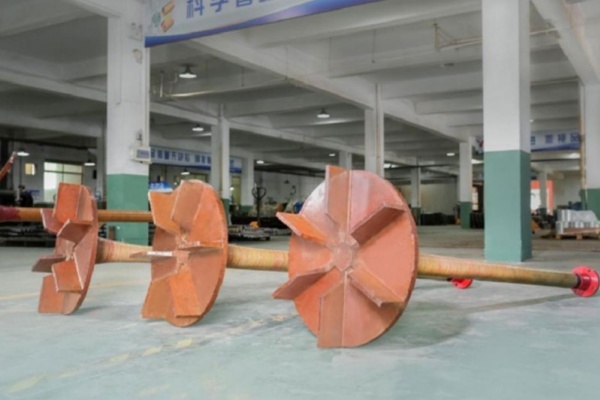
In black mass recycling, extraction equipment strongly affects recovery efficiency, phase separation, product purity, and operating cost. Poor extraction performance can lead to metal loss, organic entrainment, unstable separation, and higher wastewater load.
High-quality extraction equipment should provide:
- Effizientes Mischen
- Stable phase contact
- Clear liquid-liquid separation
- Low entrainment
- Corrosion resistance
- Continuous operation capability
- Easy maintenance
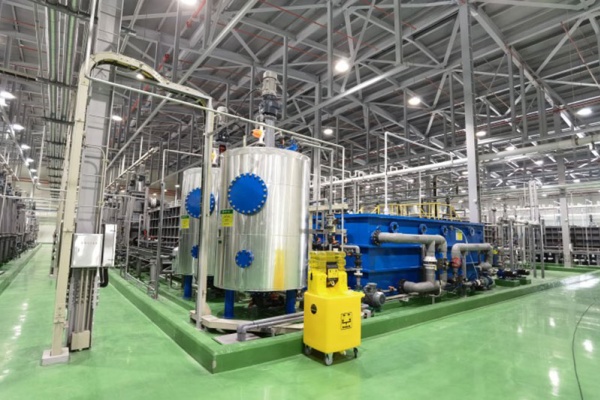
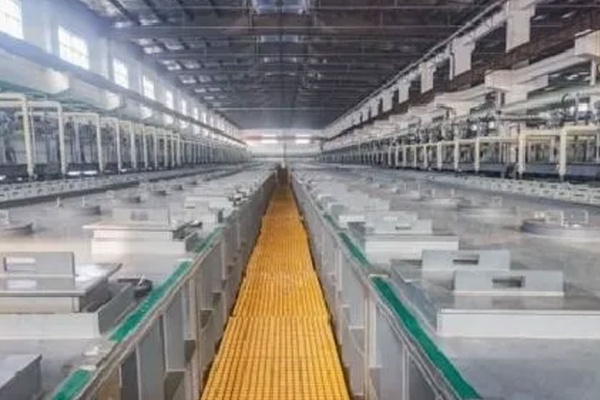
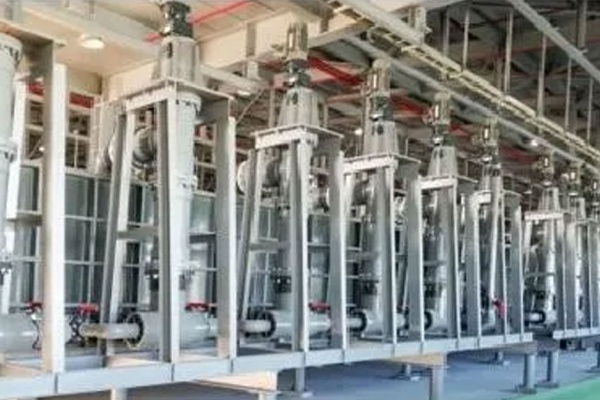
TYIC provides extraction-related equipment such as environment-friendly extraction boxes and tubular rapid extractors. These systems can be used in nickel, cobalt, manganese, lithium, and other non-ferrous metal separation projects.
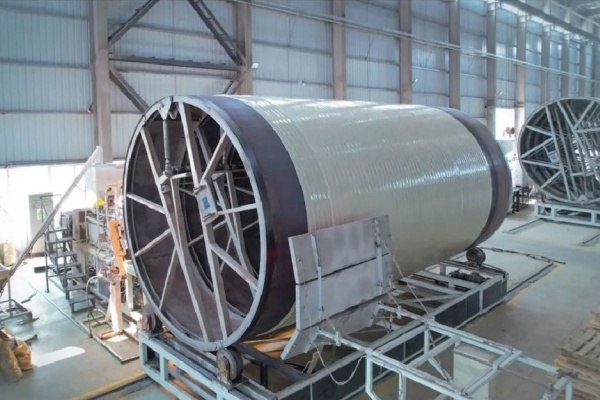
For corrosive process environments, equipment materials may include PVC, PPH, FRP, steel-lined PPH, steel-lined PVC, stainless steel, and other corrosion-resistant structures. Material selection should be based on solution acidity, temperature, solvent type, operating pressure, and maintenance requirements.
5. Integrated Engineering for Recycling Projects
Black mass recycling is not a single-equipment application. It is a complete production line involving process design, equipment layout, pipelines, tanks, electrical control, waste treatment, installation, commissioning, and operation management.
A well-designed project should consider:
- Process route selection
- Zusammensetzung der Rohstoffe
- Target product standards
- Werkstatt-Layout
- Equipment capacity
- Pipeline and cable routing
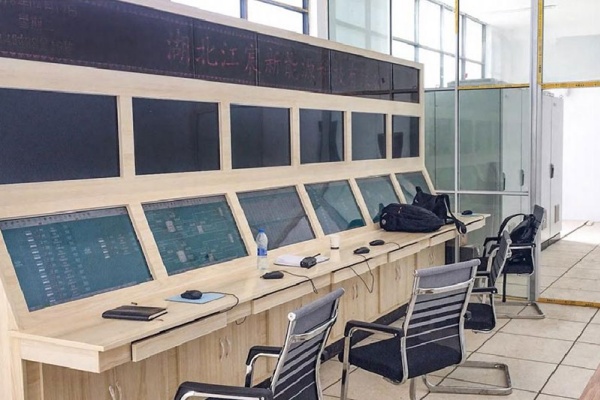
- Automation control
- Water balance
- Waste gas collection
- Behandlung von Abwässern
- Operator safety
- Future capacity expansion
TYIC supports customized engineering services, including process design, equipment manufacturing, layout optimization, installation support, commissioning, and basic training. This integrated approach helps customers build recycling systems that are more suitable for actual production conditions.
For battery-grade nickel, cobalt, manganese, and lithium recovery, coordinated design is especially important. The extraction system, leaching system, storage tanks, environmental protection system, and control system must work together to maintain stable production.
6. Environmental and Compliance Considerations
Battery recycling projects must recover valuable metals while controlling environmental risks. During black mass treatment, acid mist, organic waste gas, wastewater, and solid residues may be generated.
Environmental systems may include:
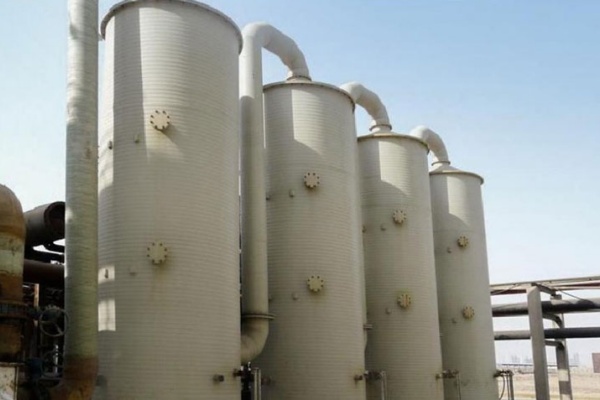
- Acid mist absorption towers
- Organic waste gas absorption and regeneration systems
- Systeme zur Abwasserbehandlung
- Systeme zur Ölbeseitigung
- Korrosionsbeständige Lagertanks
- Exhaust collection and discharge systems
- Online monitoring ports and platforms
For organic waste gas treatment, the process may include alkali washing, water washing, mist removal, activated carbon adsorption, desorption, and chimney discharge. These systems help recycling plants reduce emissions and meet environmental requirements.
In addition, corrosion-resistant equipment is important for long-term safety. Proper tank design, pipeline material selection, ventilation planning, and maintenance access can reduce leakage risk and improve operating reliability.
7. Building a More Stable Battery Material Supply Chain
Black mass recycling supports the circular use of critical battery materials. By recovering nickel, cobalt, manganese, and lithium from retired batteries, recycling companies can reduce resource waste and provide secondary raw materials for battery material production.
For battery manufacturers and precursor producers, recycled materials can help strengthen supply chain resilience. For recycling companies, stable recovery technology can improve material value and create long-term competitiveness.
The success of a black mass recycling project depends on advanced process design, reliable extraction equipment, corrosion-resistant systems, environmental treatment, and customized engineering service. When these elements are properly integrated, black mass can be transformed from complex battery waste into valuable materials for the new energy industry.
Black mass recycling converts battery waste into reusable critical materials through efficient, stable, and compliant recovery systems.
 Deutsch
  English
  Français
  Português
  Español
  Italiano