
Discarded lithium-ion batteries create safety, resource, and pollution risks; unmanaged growth worsens these consequences, while integrated recycling provides a practical path toward circular material recovery.
Sustainable lithium-ion battery recycling combines safe pretreatment, efficient metal recovery, controlled emissions, and product-quality refining. Coordinated mechanical and hydrometallurgical processes recover nickel, cobalt, manganese, lithium, copper, and other materials, reducing waste while returning valuable resources to battery and industrial supply chains.
The following sections explain the technical, environmental, and operational principles behind a more sustainable recycling model.
Inhaltsübersicht
Why Sustainable Battery Recycling Matters
Lithium-ion batteries support electric vehicles, energy storage systems, electronics, and industrial equipment. As battery use expands, larger volumes of retired cells, modules, and packs require safe treatment.
These materials contain valuable metals, but improper handling may cause fire, leakage, chemical exposure, and environmental contamination. Landfilling or inefficient processing also wastes reusable nickel, cobalt, lithium, manganese, copper, and aluminum.
A sustainable recycling system treats spent batteries as secondary raw materials rather than ordinary waste. It should recover useful materials, control hazardous substances, reduce energy and reagent consumption, minimize secondary pollution, and produce outputs suitable for industrial reuse.
A Complete Recycling Process Route
A typical recycling line may include:
- Entladen und Demontage
- Crushing and physical separation
- Thermal treatment
- Auslaugung
- Lösungsmittel-Extraktion
- Crystallization or electrowinning
- Precipitation and purification
The final configuration should reflect feed composition, plant capacity, target products, recovery requirements, environmental standards, and available utilities.
1. Pretreatment and Separation
Pretreatment prepares batteries for downstream recovery. Safe discharge, controlled dismantling, sorting, and crushing separate casings, plastics, current collectors, and active materials.
Where thermal treatment is used, temperature control and off-gas collection are essential. Stable conditions reduce fire risk and improve the consistency of materials entering hydrometallurgical stages.
2. Leaching and Metal Recovery
Hydrometallurgical treatment transfers target metals into solution. Leaching conditions influence recovery rate, reagent consumption, impurity behavior, filtration performance, and equipment life.
Extraction and separation stages then isolate nickel, cobalt, manganese, lithium, and other elements. Recovered materials can be refined into salts, metals, or intermediate products for further industrial use.
The most sustainable process is not simply the route with the highest theoretical recovery. It must balance recovery efficiency, product purity, operating stability, environmental performance, and lifecycle cost.
The Role of Solvent Extraction
Solvent extraction is central to many recycling flowsheets because leach solutions contain several dissolved metals with similar chemical behavior.
Selective separation requires accurate control of:
- pH
- Phase ratio
- Residence time
- Mixing intensity
- Temperatur
- Extractant condition
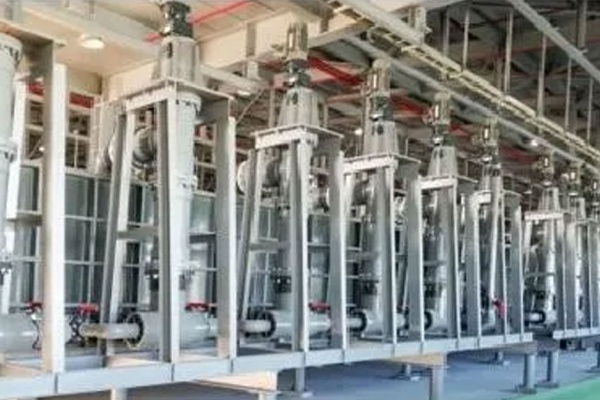
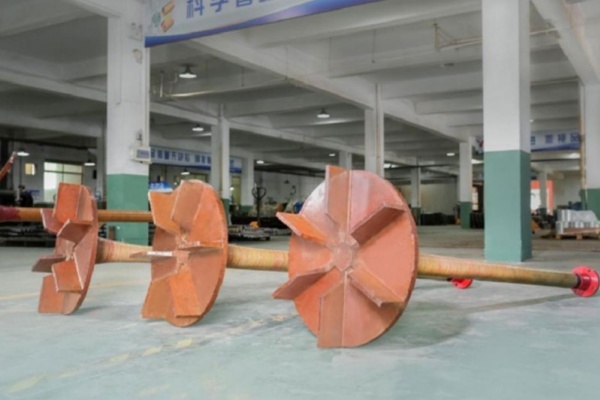
High-efficiency extraction equipment improves phase contact while limiting excessive emulsification and entrainment. Stable phase separation reduces downstream contamination and supports consistent product quality.
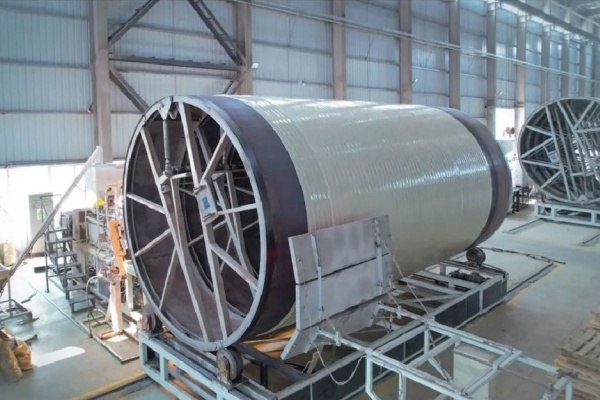
Equipment materials must withstand acids, alkalis, solvents, and metal-bearing solutions. Suitable corrosion-resistant construction improves reliability, reduces maintenance, and extends operating life.
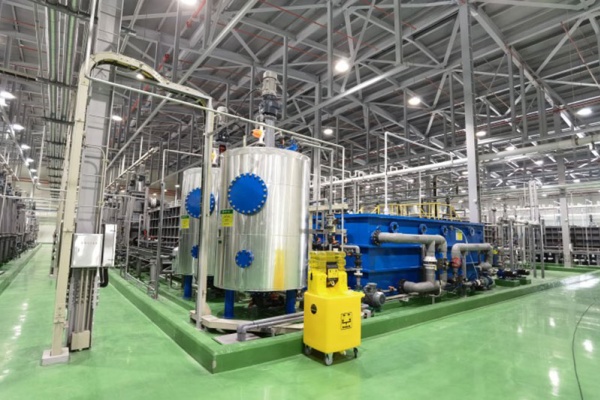
TYIC develops hydrometallurgical solutions including tubular rapid extractors, extraction units, corrosion-resistant tanks, and micro-interface oil-removal systems. Its services cover process design, equipment layout, automation, installation, commissioning, and operator training.
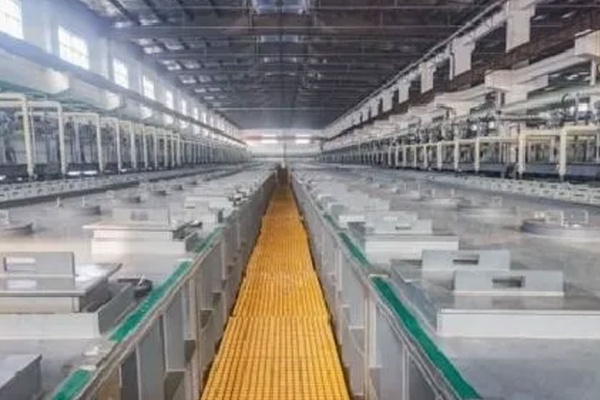
For retired ternary battery materials, the process route may include dismantling, crushing, roasting, leaching, extraction, crystallization or electrowinning, and precipitation. The route can be adjusted for separating nickel, cobalt, manganese, and lithium.
Environmental Protection Beyond Metal Recovery
Metal recovery alone does not make a recycling plant sustainable. Waste gas, wastewater, acid mist, residual organics, and solid residues require coordinated treatment.
Waste Gas Control
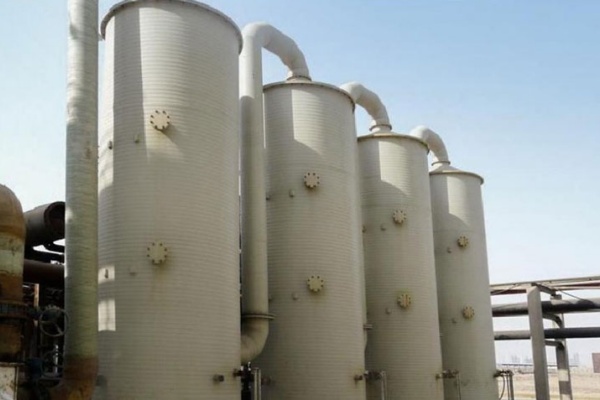
Acid mist and hydrogen chloride may be treated through staged alkali washing, water washing, and mist removal. Organic waste gas may require adsorption, recovery, and regeneration.
Activated carbon systems can use controlled regeneration to restore adsorption capacity and reduce replacement frequency. Proper collection and treatment support safer working conditions and compliant emissions.
Wastewater Management
Wastewater treatment should address:
- Acidity and alkalinity
- Dissolved heavy metals
- Suspended solids
- Salts
- Organic contaminants
Separating concentrated and dilute streams can improve treatment efficiency and create opportunities for water reuse. Monitoring and sampling systems also support stable environmental management.
Corrosion-Resistant Equipment
PPH, PVC, FRP, HDPE, stainless steel, and lined steel may be selected according to temperature, chemical composition, mechanical load, and expected service life.
Correct material selection reduces leakage, corrosion, shutdowns, and maintenance costs while improving the safety of storage, extraction, wastewater, and waste-gas treatment systems.
Designing for Long-Term Performance
A sustainable recycling plant should be designed as an integrated system rather than a collection of individual machines.
Process calculations, material balances, equipment sizing, piping, automation, ventilation, maintenance access, and emergency measures must be coordinated from the beginning.
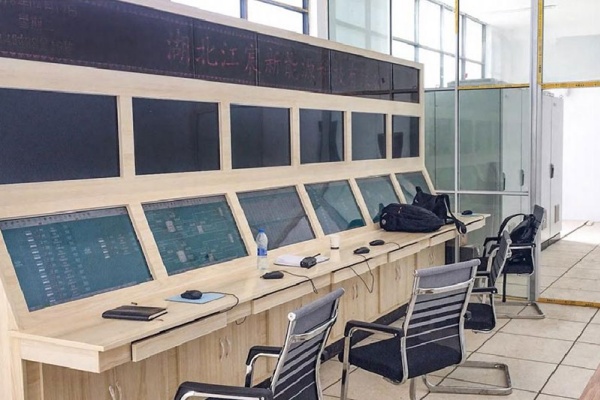
Compact layouts can reduce floor-space requirements and simplify installation. Automated controls stabilize critical parameters, support traceability, reduce operator variation, and improve production consistency.
Commissioning and training are equally important. Clear procedures for startup, shutdown, sampling, chemical adjustment, cleaning, maintenance, and emergency response improve safety, reliability, and operational discipline.
Building a Circular Battery Supply Chain
Future recycling systems will be assessed by more than recovery percentage. Customers, regulators, and investors increasingly examine:
- Carbon intensity
- Water consumption
- Reagent efficiency
- Abgasreinigung
- Residue management
- Recovered-product quality
- Operational traceability
Progress depends on cooperation among battery manufacturers, recyclers, equipment suppliers, engineering teams, research institutions, and material users.
Clear feed specifications, stable process standards, and qualified recovered products reduce uncertainty across the value chain. Integrated engineering also helps recycling plants respond to changing battery chemistries and customer requirements.
Sustainable lithium-ion battery recycling requires selective recovery, durable equipment, environmental protection, process control, and disciplined operation across every production stage.
Sustainable recycling converts retired batteries into valuable resources while supporting safer operations, cleaner production, and resilient battery-material supply chains.
 Deutsch
  English
  Français
  Português
  Español
  Italiano