
Discarded lithium-ion batteries waste valuable metals, increase environmental pressure, and create safety risks. Recycling recovers resources, reduces waste, and supports a more circular battery supply chain.
Recycling lithium-ion batteries can recover valuable materials such as nickel, cobalt, manganese, lithium, and copper, reducing dependence on virgin resources. It also helps lower waste volumes, manage hazardous components, improve material efficiency, and support sustainable battery production for electric vehicles, energy storage, and other applications.
Understanding these benefits helps battery manufacturers, recyclers, and material producers evaluate why efficient recycling systems are increasingly important.
Inhaltsübersicht
1. Recovering Valuable Battery Materials
One major benefit of lithium-ion battery recycling is the recovery of high-value metals. Battery cells may contain nickel, cobalt, manganese, lithium, copper, aluminum, and other reusable materials.
Without recycling, much of this value can be lost after batteries reach the end of their service life.
Through dismantling, pretreatment, leaching, extraction, purification, and recovery, useful components can be separated and returned to industrial use. In advanced systems, recovered metals can be processed into battery-grade materials.
This creates a circular route:
Used Batteries → Collection → Processing → Material Recovery → New Production
For industries facing growing demand for battery materials, recycling improves resource utilization and reduces avoidable material loss.
2. Reducing Dependence on Primary Raw Materials
Lithium-ion battery production depends on minerals that require mining, refining, transportation, and chemical processing. Recycling creates an additional material source from batteries already placed on the market.
By recovering metals from used batteries, manufacturers can supplement primary supply with secondary resources.
Recycling does not eliminate mining, but it can:
- Reduce pressure on primary resource extraction
- Improve raw-material utilization
- Diversify material supply
- Increase supply-chain flexibility
This flexibility can be valuable when raw-material prices fluctuate or sourcing becomes more complex. Recycling therefore supports both environmental objectives and more resilient industrial planning.
3. Supporting Environmental Protection
Improper disposal of lithium-ion batteries can create environmental and safety concerns. Batteries contain reactive materials, electrolytes, metals, and other components that should be handled through controlled industrial processes.
Recycling directs end-of-life batteries into systems designed for:
- Safe material treatment
- Metal separation and recovery
- Waste-gas control
- Behandlung von Abwässern
- Residue management
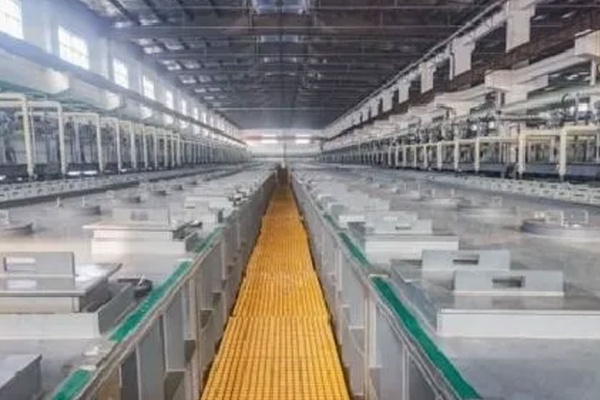
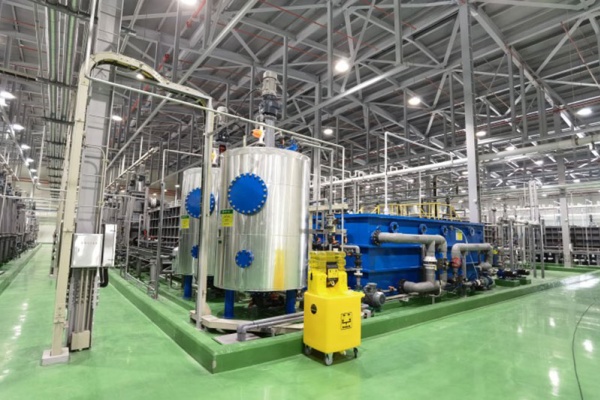
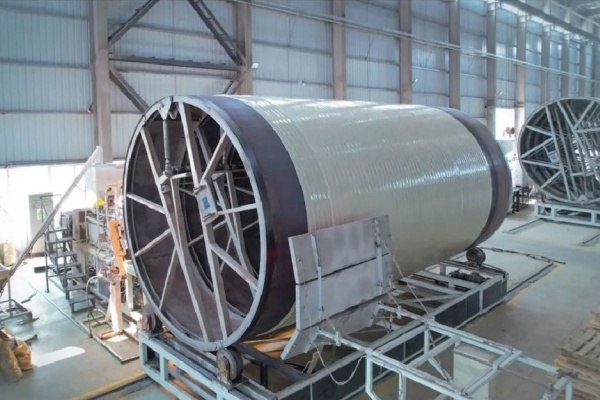
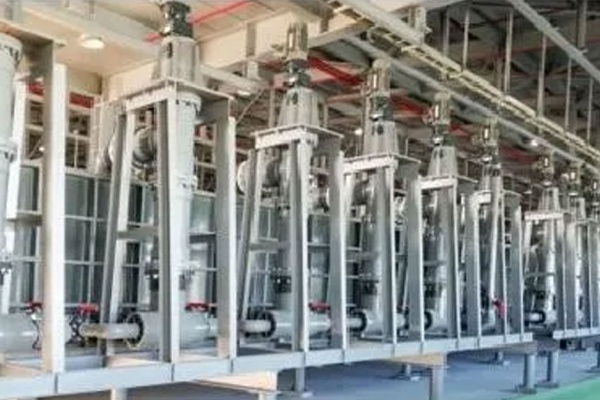
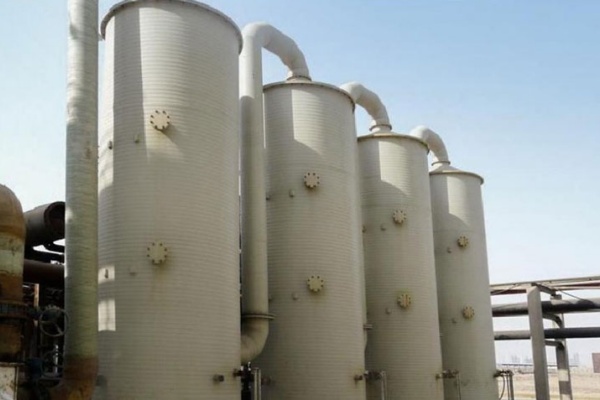
Well-designed facilities can integrate corrosion-resistant equipment, enclosed processing, extraction systems, and environmental treatment units to reduce operational risks.
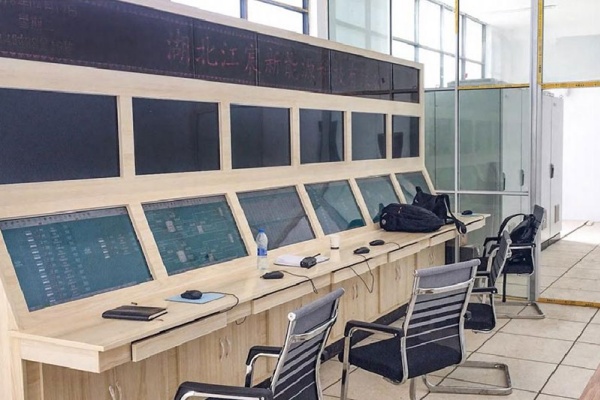
TYIC provides process and equipment solutions for battery-material recycling projects, including leaching and extraction line planning, equipment design, workshop layout, pipeline routing, electrical automation, and commissioning support.
Company technical materials state that TYIC has designed more than 20 production lines in China and overseas for recovering battery-grade nickel, cobalt, manganese, lithium, and related materials.
4. Improving Resource Efficiency and Circularity
A battery contains materials that required significant industrial processing before becoming a finished product. Recycling extends the useful life of those resources beyond one battery cycle.
Instead of treating used batteries as final waste, recycling treats them as secondary material sources.
A typical circular material pathway can be represented as:
Battery Production → Battery Use → Collection → Recycling → Metal Recovery → Battery Material Production
This supports circular-economy models in which metals are recovered, refined, and reused.
For electric vehicles and energy-storage systems, circularity is increasingly relevant because large numbers of batteries will eventually require processing. Building recovery capacity can help industries develop stable and scalable material loops.
5. Creating Economic Value from End-of-Life Batteries
Used lithium-ion batteries still contain materials with commercial value. Efficient recovery can convert end-of-life products into feedstock for new material production.
Economic performance can depend on several factors, including:
| Factor | Potential Impact |
|---|---|
| Batteriechemie | Determines recoverable material composition |
| Metal content | Influences potential material value |
| Recovery rate | Affects overall resource utilization |
| Energieverbrauch | Influences operating costs |
| Treatment efficiency | Affects throughput and productivity |
| Produktreinheit | Influences downstream usability |
When a system is properly designed, recovered materials can contribute to value creation while reducing disposal volumes.
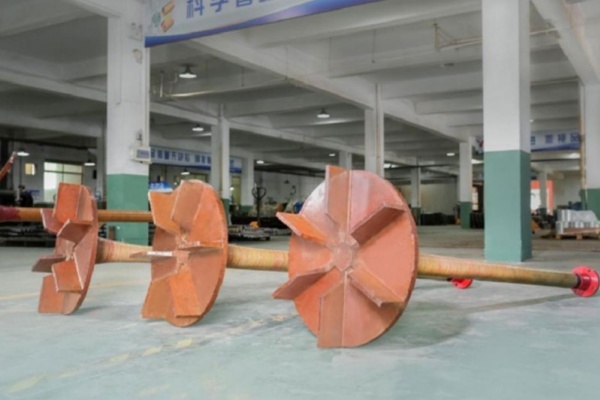
Equipment selection also matters. Stable mixing, efficient extraction, corrosion resistance, process control, and optimized plant layout can influence energy consumption, maintenance requirements, throughput, and product consistency.
6. Strengthening Battery Supply-Chain Resilience
Battery supply chains are international and technically complex. Critical materials may pass through several countries before reaching a battery plant.
Recycling creates a local or regional source of reusable materials and can reduce dependence on a single supply route.
For companies producing cathode materials, precursors, or battery chemicals, recycled feedstock can support a broader procurement strategy.
Combining primary and recycled materials may improve sourcing flexibility, especially when supported by consistent quality control and reliable refining.
Recycling infrastructure can also support:
- Stable material availability
- Predictable supply planning
- Einhaltung der Umweltvorschriften
- More diversified sourcing
- Greater supply-chain resilience
7. Encouraging Better Industrial Technology
Lithium-ion battery recycling combines chemical, mechanical, environmental, and automation technologies.
Growing recycling demand encourages improvements in:
Process Design
More efficient workflows can improve recovery performance and production stability.
Extraction Efficiency
Optimized separation systems can improve metal recovery and product quality.
Haltbarkeit der Ausrüstung
Corrosion-resistant materials can help equipment withstand aggressive chemical environments.
Plant Integration
Better layouts can improve material movement, maintenance access, and overall operating efficiency.
Environmental Control
Integrated wastewater and waste-gas treatment can support safer and more compliant operation.
TYIC technical materials describe capabilities covering process design, mechanical equipment, electrical automation, technical problem solving, general contracting, and experimental support.
The company also provides turnkey services for leaching and extraction lines, from process-route selection and workshop design to training and production commissioning.
8. Supporting a More Sustainable Battery Industry
The broader benefit of recycling is that it connects resource recovery, environmental management, supply security, and industrial efficiency.
As electric vehicles and energy storage expand, recycling can help recover valuable metals while reducing waste and making better use of existing resources.
Key Benefits at a Glance
| Benefit | Value to the Battery Industry |
|---|---|
| Materialrückgewinnung | Recovers lithium, nickel, cobalt, manganese, copper, and other materials |
| Resource Efficiency | Extends the useful life of valuable metals |
| Schutz der Umwelt | Supports controlled treatment of end-of-life batteries |
| Supply Resilience | Creates additional sources of battery materials |
| Circular Economy | Returns recovered resources to production |
| Industrial Efficiency | Encourages better processing and recovery technologies |
Lithium-ion battery recycling turns end-of-life batteries into reusable resources, supporting material recovery, environmental protection, supply resilience, and circularity.
 Deutsch
  English
  Français
  Português
  Español
  Italiano