
Valuable battery materials are often lost through poor recycling, causing higher costs, safety risks, and environmental pressure. Black mass recovery provides a practical solution.
Lithium battery black mass is a dark, powder-like mixture produced after spent batteries or manufacturing scrap are discharged, dismantled, shredded, and separated. It commonly contains lithium, nickel, cobalt, manganese, graphite, iron, phosphorus, binders, electrolyte residues, and small amounts of copper or aluminum.
Understanding black mass helps recyclers evaluate its value, select suitable recovery technologies, and design safer, more efficient processing systems.
Inhaltsübersicht
What Does “Black Mass” Mean?
Black mass is not a single chemical substance or standardized battery product. It is an intermediate material generated during lithium-ion battery recycling.
The name comes from its dark appearance, which is mainly caused by graphite, carbon black, and finely divided electrode materials. During mechanical processing, battery cells are dismantled and shredded. Larger components are separated, while the remaining fine powder is collected as black mass.
Depending on the recycling process, black mass may contain material from:
- Cathodes
- Anodes
- Electrolytes
- Polymer binders
- Current collectors
- Separators
- Battery casings
Its composition varies significantly because lithium-ion batteries use different cathode chemistries, structures, and manufacturing materials.
How Is Lithium Battery Black Mass Produced?
Black mass production normally begins with the collection and classification of used batteries or battery production scrap.
The main preprocessing stages may include:
- Battery identification and sorting
- Discharging or electrical deactivation
- Pack and module dismantling
- Cell crushing or shredding
- Drying or thermal treatment
- Screening and particle classification
- Magnetic, gravity, or air separation
- Collection of the fine active-material fraction
These processes remove larger materials such as steel, aluminum, copper foil, plastics, electronic components, and separator films.
The remaining fine fraction contains most of the cathode and anode materials. This powder is commonly referred to as black mass.
Preprocessing quality strongly affects downstream recovery performance. Excess moisture, copper, aluminum, iron, fluorine, organic residues, or oversized particles can increase chemical consumption and reduce product purity.
What Materials Does Black Mass Contain?
The composition of black mass depends mainly on the battery chemistry and the quality of the separation process.
NMC Battery Black Mass
Black mass from nickel-manganese-cobalt batteries may contain:
- Lithium
- Nickel
- Mangan
- Kobalt
- Graphit
- Kupfer
- Aluminium
This type of black mass is often commercially attractive because nickel and cobalt can have relatively high recovery value.
LFP Battery Black Mass
Lithium iron phosphate black mass usually contains:
- Lithium
- Eisen
- Phosphorus
- Graphit
- Kupfer
- Aluminium
LFP batteries normally contain little or no nickel and cobalt. Therefore, their recycling economics depend more heavily on lithium recovery, graphite utilization, process efficiency, and operating costs.
Mixed Black Mass
Mixed battery feedstock may include several chemistries, such as:
- NMC
- LFP
- NCA
- LCO
- LMO
Mixed black mass is more difficult to process because its composition can change between batches. Stable sampling, chemical analysis, and feed management are therefore essential.
Why Is Black Mass Valuable?
Black mass contains materials that originally required mining, refining, chemical conversion, and battery manufacturing.
Recovering these materials can help reduce:
- Dependence on virgin mineral resources
- Battery supply-chain risks
- Mining-related environmental pressure
- Waste sent to landfills
- Energy consumption associated with primary production
However, black mass value is not determined by weight alone.
Its commercial value depends on:
- Batteriechemie
- Lithium, nickel, and cobalt content
- Graphite concentration
- Moisture level
- Copper and aluminum contamination
- Particle-size distribution
- Rückgewinnungsgrad
- Final product specifications
- Current metal prices
A high-grade and stable black mass is generally easier to process than a highly contaminated or inconsistent material.
How Are Metals Recovered from Black Mass?
Black mass is usually processed through hydrometallurgical, pyrometallurgical, or combined recycling routes.
Hydrometallurgical Processing
Hydrometallurgy uses chemical solutions to dissolve and separate valuable elements.
A typical process may include:
- Auslaugung
- Solid-liquid separation
- Entfernung von Verunreinigungen
- Lösungsmittel-Extraktion
- Ionenaustausch
- Niederschlag
- Verdunstung
- Kristallisation
Nickel, cobalt, manganese, and lithium can then be recovered as salts, intermediates, or battery-material precursors.
Hydrometallurgical processing can provide high recovery rates and strong separation selectivity when the process is correctly designed.
Pyrometallurgical Processing
Pyrometallurgy uses high-temperature treatment to separate and concentrate selected metals.
It can handle complex or mixed battery feedstock, but it may require substantial energy and additional processing to recover lithium or other elements.
Combined Processing
Some recycling plants combine mechanical separation, thermal treatment, and hydrometallurgical recovery.
The optimal process depends on feed composition, recovery targets, product requirements, environmental controls, and operating costs.
What Makes Black Mass Processing Difficult?
The main challenge is material variability.
Different batteries contain different metals, binders, electrolytes, additives, and electrode structures. These variations can affect:
- Leaching efficiency
- Filtration performance
- Extraction selectivity
- Reagent consumption
- Phasentrennung
- Produktreinheit
- Wastewater composition
Residual electrolyte and fluorine compounds may also create corrosion, gas emissions, or wastewater-treatment challenges.
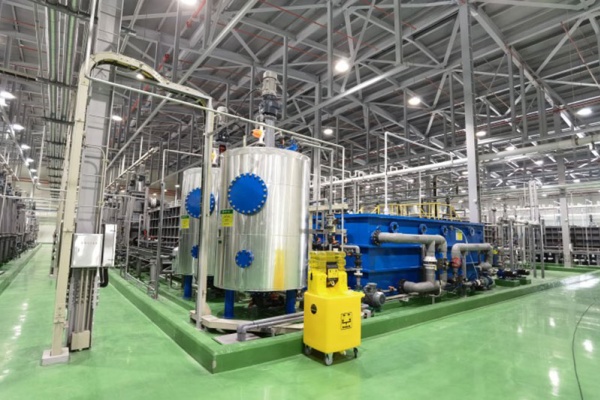
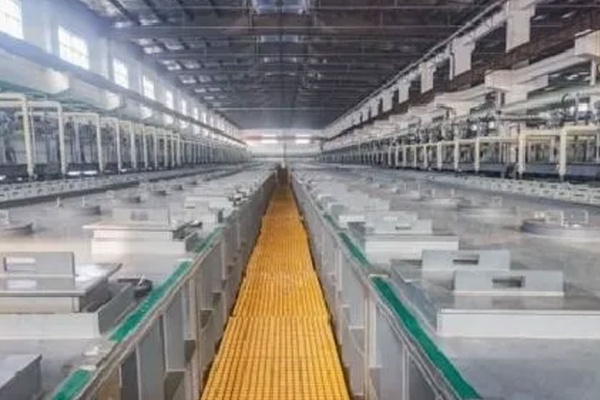
For this reason, black mass recycling requires more than a single piece of equipment. It requires an integrated system covering material handling, reaction control, separation, storage, exhaust-gas treatment, wastewater treatment, and automation.
Equipment Required for Black Mass Recycling
Industrial black mass recovery systems may require:
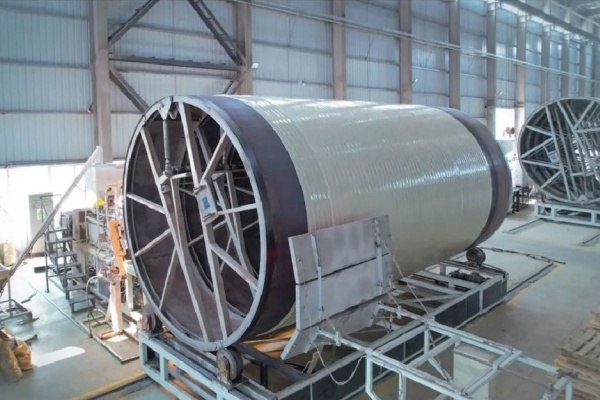
- Corrosion-resistant reaction tanks
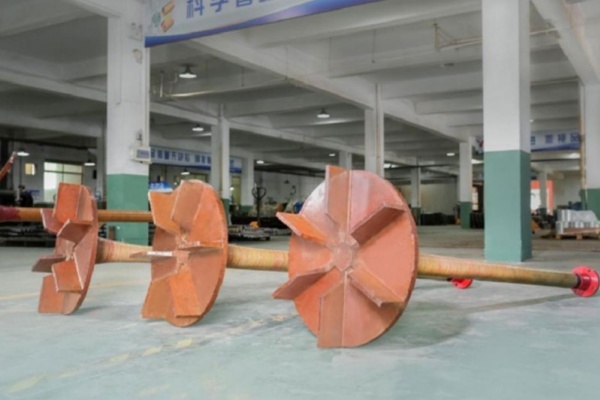
- Mixing and leaching equipment
- Solid-liquid separation units
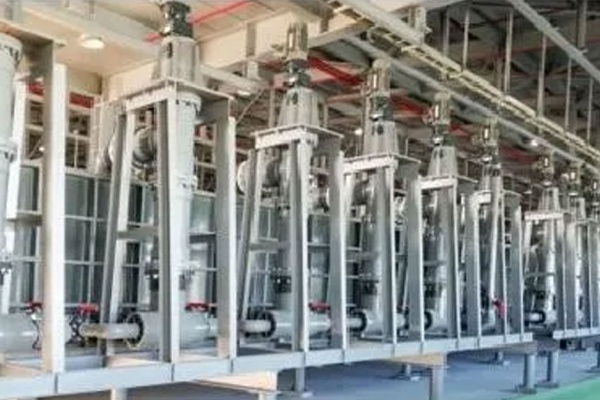
- Systeme zur Lösungsmittelextraktion
- Röhrenmischabzüge
- Chemical storage tanks
- Evaporation and crystallization equipment
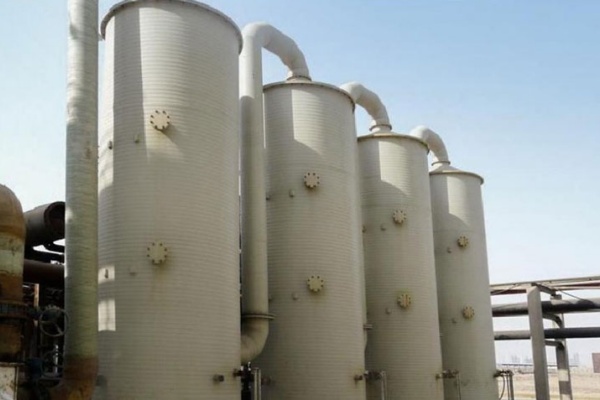
- Waste-gas treatment systems
- Systeme zur Abwasserbehandlung
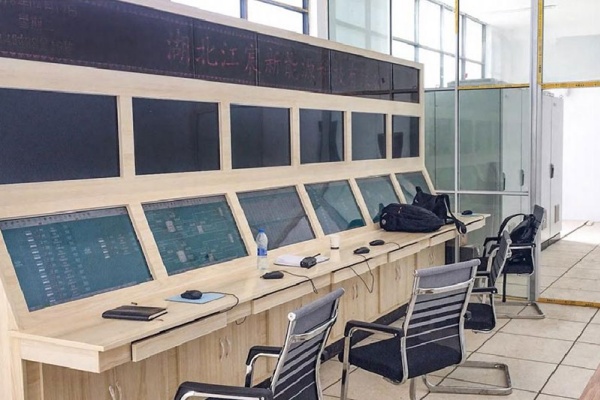
- Automated process-control systems
TYIC provides customized equipment and engineering services for extraction, mixing, storage, waste-gas treatment, and wastewater treatment.
Its solutions can include process design, equipment layout, material selection, manufacturing, installation, commissioning, and technical training.
Black Mass in the Circular Battery Economy
Black mass connects spent lithium-ion batteries with reusable battery materials.
Its quality directly influences recovery rates, operating stability, environmental performance, production costs, and final product purity.
Efficient black mass processing can support a more circular battery supply chain by returning lithium, nickel, cobalt, manganese, and other materials to industrial production.
Black mass is a valuable recycling intermediate that requires controlled preprocessing, precise separation, and reliable environmental treatment.
 Deutsch
  English
  Français
  Português
  Español
  Italiano