
Uncontrolled battery crushing creates fire, toxic exposure, and metal loss risks; accidents escalate costs and downtime. A controlled, engineered crushing solution prevents hazards while maximizing recovery efficiency.
Battery crushing safety and efficiency depend on controlled atmospheres, precise size reduction, fire suppression, and corrosion-resistant equipment. When integrated into a closed, automated process, crushing minimizes thermal runaway, toxic emissions, and metal loss while ensuring stable, high-throughput recycling operations.
A deeper look at how engineered systems manage risk while improving recovery reveals why modern battery crushing demands precision, not brute force.
Índice
Understanding the Core Risks in Battery Crushing
Battery crushing sits at the most hazardous point of recycling operations. Residual energy, flammable electrolytes, and reactive metals coexist under mechanical stress. Without proper controls, crushing can trigger sparks, thermal runaway, or gas release. These events endanger personnel, damage downstream equipment, and contaminate valuable black mass. Safety failures also interrupt production, increasing operating costs and eroding compliance with environmental regulations.
Engineering Controls That Prevent Accidents
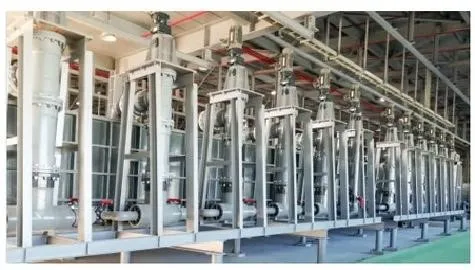
Modern battery crushing relies on layered engineering controls rather than single safeguards. Inert gas environments reduce oxygen concentration, lowering ignition risk during size reduction. Enclosed crushing chambers prevent electrolyte vapor escape, while negative-pressure systems guide gases into treatment units. Fire detection sensors and rapid-response suppression systems further isolate incidents before escalation. Together, these measures transform crushing from a high-risk activity into a predictable, manageable process.
Precision Crushing for Higher Material Recovery
Efficiency is inseparable from safety. Over-crushing generates excessive fines, increasing dust, metal loss, and filtration load. Under-crushing, by contrast, limits liberation of cathode and anode materials. Precision crushing systems apply controlled shear and impact forces, producing uniform particle size distributions optimized for downstream separation. This balance improves recovery rates of nickel, cobalt, lithium, and manganese while reducing reprocessing and waste handling costs.
Corrosion Resistance and Equipment Durability
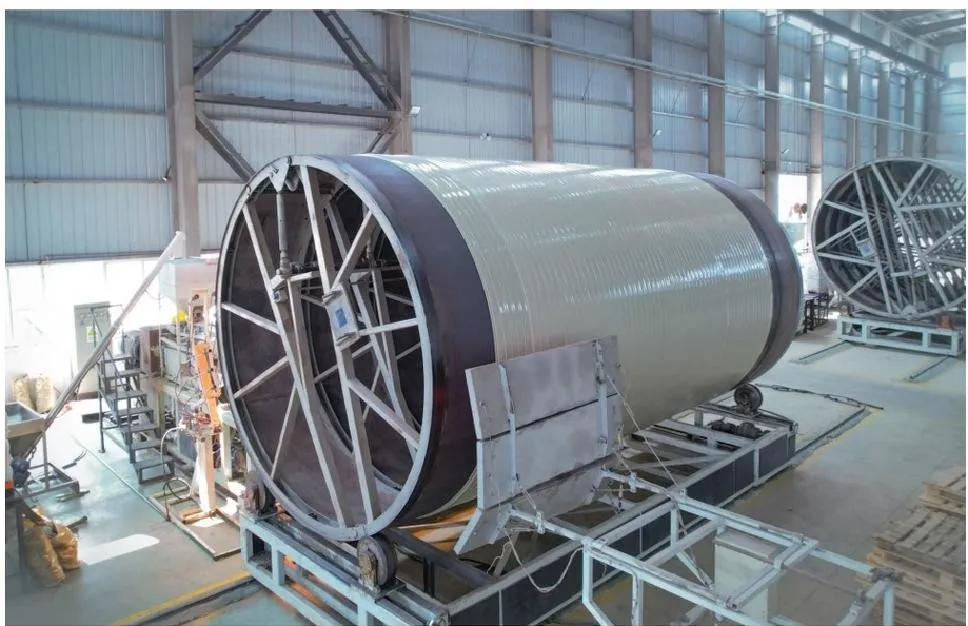
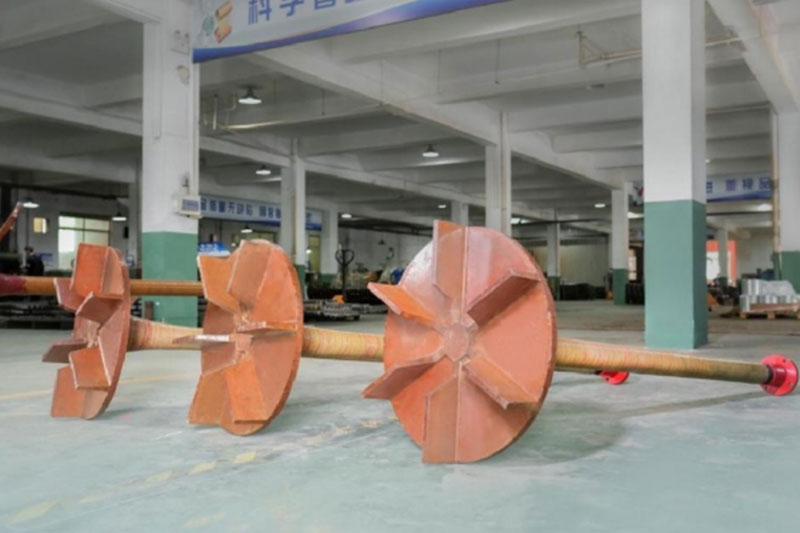
Battery electrolytes and acidic byproducts rapidly degrade conventional steel equipment. Corrosion leads to leaks, contamination, and unplanned shutdowns. Advanced crushing lines therefore use corrosion-resistant polymers and engineered plastics for housings, ducts, and tanks. These materials extend service life, reduce maintenance frequency, and maintain structural integrity under aggressive chemical exposure, directly supporting continuous and safe operation.
Integration with Environmental Protection Systems
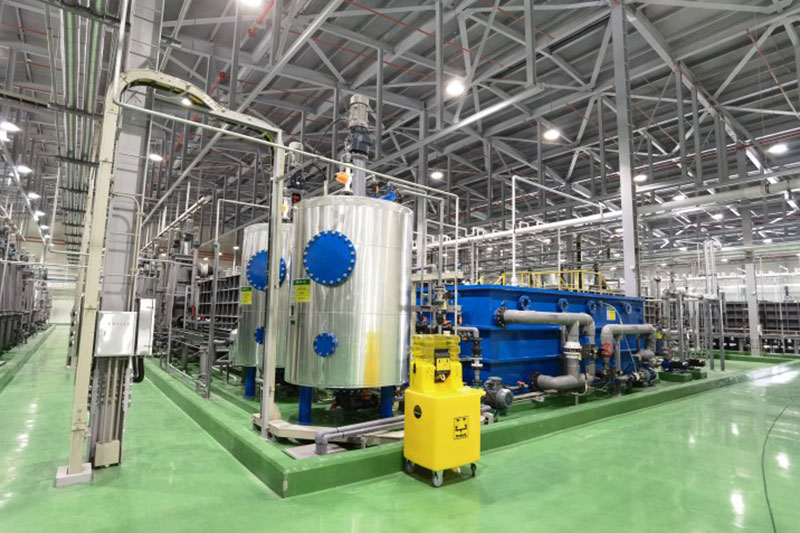
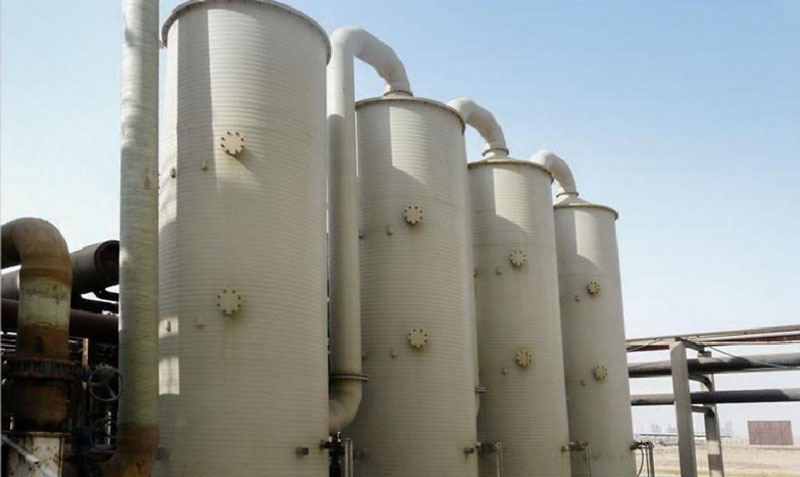
Safe crushing does not end at the crusher. Off-gases, dust, and wastewater must be captured and treated. Integrated waste gas scrubbers neutralize volatile organic compounds and acidic fumes, while wastewater treatment systems remove dissolved metals and fluorides. By designing crushing as part of a closed-loop environmental system, operators meet regulatory requirements and demonstrate responsible, sustainable recycling practices.
Automation and Monitoring for Stable Operations
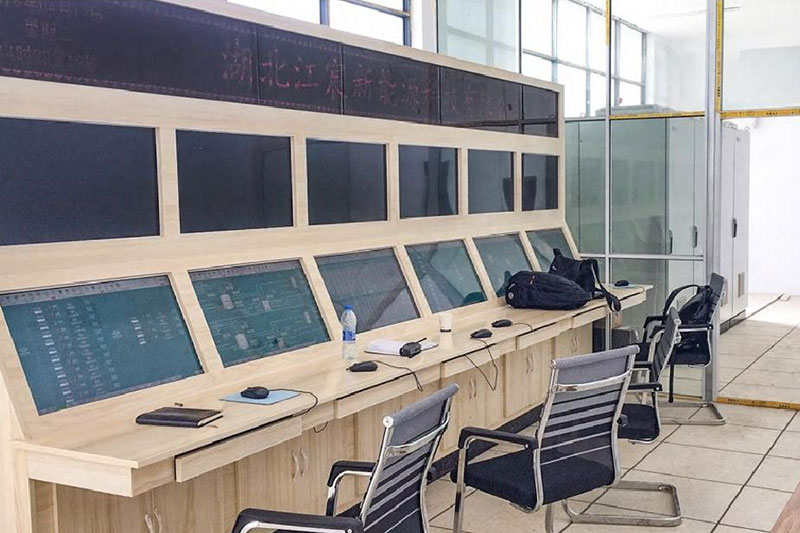
Automation plays a decisive role in both safety and efficiency. Real-time monitoring of temperature, oxygen levels, and vibration enables early detection of abnormal conditions. Automated feed control prevents overloads that could cause mechanical failure or heat buildup. Remote operation reduces human exposure to hazardous zones, while data-driven optimization stabilizes throughput and energy consumption across shifts.
Economic Impact of Safe and Efficient Crushing
Investing in engineered crushing systems delivers measurable economic returns. Fewer incidents mean less downtime and lower insurance and remediation costs. Higher recovery rates increase the value of black mass and downstream refined products. Long equipment lifespans and predictable maintenance schedules reduce total cost of ownership. Safety, in this context, is not a cost center but a driver of operational profitability.
Building a Scalable Crushing Strategy
As battery chemistries evolve and recycling volumes grow, crushing systems must adapt. Modular designs allow capacity expansion without compromising safety controls. Flexible process parameters accommodate different battery formats and chemistries. Scalability ensures that today’s investment remains viable as regulations tighten and demand for recycled materials accelerates.
Safe, efficient battery crushing combines engineering controls, precision, and integration to protect people, assets, and recovery value in modern recycling operations.
 Español
  English
  Deutsch
  Français
  Português
  Italiano