
Using the wrong welding rod leads to weak joints, costly repairs, and safety risks—choosing the right PVC welding rods ensures strength, durability, and reliable performance.
PVC welding rods are specialized thermoplastic filler materials used in plastic fabrication. Correct identification of these rods guarantees compatibility, high-quality welds, and long-term structural integrity in industrial and commercial applications.
Let’s explore how to identify, select, and properly use the right welding rods for your project.
Índice
What Are Plastic Welding Rods?
Plastic welding rods are thermoplastic filler materials designed for use in hot air welding, extrusion welding, or other thermoplastic joining processes. They function similarly to metal welding rods, serving as a filler that bonds two surfaces together when heated to their melting point.
A PVC welding rod is specifically manufactured from polyvinyl chloride (PVC), a plastic widely used due to its chemical resistance, durability, and cost-effectiveness. These rods are available in various forms: round, triangular, or flat profiles, depending on the intended application and welding equipment.
Plastic welding rods are typically extruded in uniform shapes and packaged in spools or straight cut lengths. Their consistent geometry ensures predictable melting behavior, helping welders achieve smooth, strong, and defect-free seams.
Industries that frequently rely on PVC welding rods include:
-
Chemical processing: for fabricating and repairing tanks, ducts, and piping.
-
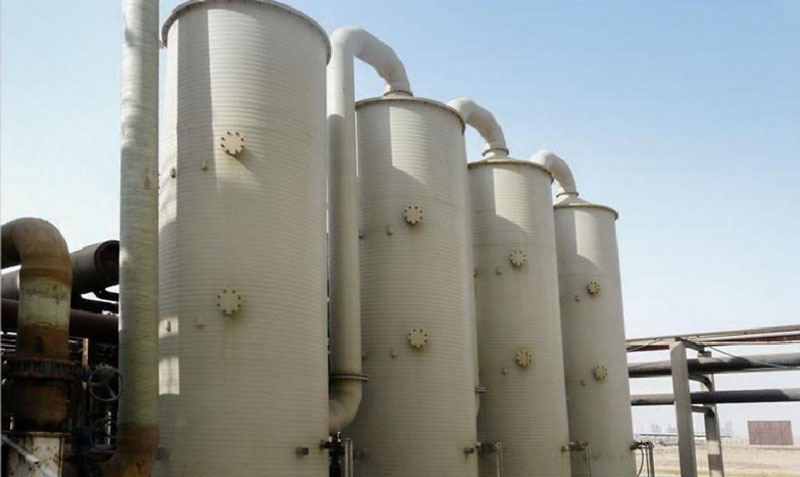
Environmental engineering: in applications such as fume scrubbers and wastewater treatment equipment.
-
Construction: where thermoplastic liners, sheets, and panels require durable joints.
-
Automotive and marine: for repairing plastic components exposed to chemicals or weathering.
Ultimately, welding rods are the backbone of plastic welding, providing the filler material necessary to achieve reliable fusion between plastic surfaces.
Why Correct Identification of Welding Rods Matters
Using the wrong type of welding rod can compromise an entire project. Mismatched plastic welding rods may result in weak seams, cracks, or complete failure under stress.
For example, attempting to weld PVC with a polypropylene rod leads to poor bonding, since the melting points and chemical properties differ significantly. Similarly, low-quality rods that are not pure PVC may contain fillers or additives that reduce weld strength, chemical resistance, and longevity.
Correct identification of PVC welding rods ensures:
-
Material Compatibility – A PVC rod should always be used for PVC sheets or pipes to achieve a true fusion weld.
-
Mechanical Strength – Proper rods ensure tensile strength at the weld joint nearly equal to that of the parent material.
-
Chemical Resistance – Identified PVC rods provide resistance to acids, alkalis, and industrial solvents, critical in chemical plants or wastewater treatment systems.
-
Durability – Correct rods prevent premature weld failures, extending the life of equipment and reducing maintenance costs.
For industries handling corrosive materials, such as chemical storage tanks or exhaust scrubbers, a failed weld could mean leaks, contamination, and even safety hazards. Therefore, the ability to identify the right PVC welding rod is not just a technical detail—it is a matter of operational safety and reliability.
Common Types of Plastic Welding Rods
Plastic welding rods come in a variety of materials and shapes, each suited for different welding applications. The most common types include:
-
PVC Welding Rods: Resistant to corrosion and widely used in chemical, environmental, and construction industries. Available in rigid (uPVC) or flexible grades.
-
Polypropylene (PP) Welding Rods: Lightweight and chemically resistant, commonly used in acid tanks, ventilation ducts, and battery casings.
-
Polyethylene (PE) Welding Rods: Excellent toughness and flexibility, used in geomembranes, water tanks, and industrial liners.
-
PVDF Welding Rods: Provide exceptional resistance to high temperatures and aggressive chemicals, making them ideal for high-performance applications.
-
ABS Welding Rods: Known for impact resistance, commonly used in automotive and consumer goods.
Shapes also vary:
-
Round rods – versatile and widely used for general welding.
-
Triangular rods – suitable for filling deep grooves or seams.
-
Flat strips – often used for extrusion welding or covering large seams.
Among these, PVC welding rods remain the most popular choice due to their balance of affordability, chemical resistance, and availability. However, correct identification of type and shape is crucial to match project requirements.
Choosing the Right Rod for Your Project
Selecting the right PVC welding rod requires consideration of several critical factors:
-
Material Compatibility: Always confirm that the rod matches the base material. PVC rods are ideal for PVC sheets, ducts, and tanks.
-
Welding Method: Hot air welding may require smaller round rods, while extrusion welding benefits from flat strips.
-
Rod Diameter and Profile: Choose the rod size based on seam width and welding speed. Larger diameters fill faster but require more heat.
-
Color Matching: For aesthetic or visual inspection purposes, matching rod color with the base material is often important in visible applications.
-
Purity of Material: High-quality rods made from virgin PVC ensure better welding results than recycled or filler-loaded rods.
-
Supplier Reliability: Work with trusted suppliers who provide consistent quality and technical data for their rods.
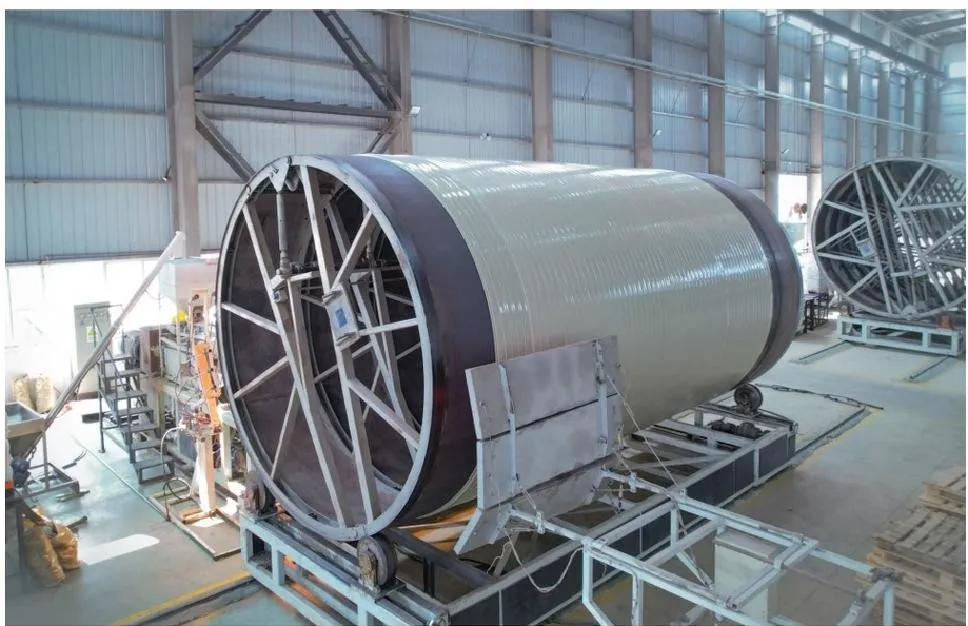
For instance, TYIC NUEVA ENERGÍA, a leading Chinese manufacturer of plastic sheets and tanks, produces high-purity PVC welding rods designed for seamless integration with their PPH and PVC products. Their rods are manufactured under strict ISO 9001 standards, ensuring mechanical strength, chemical stability, and reliable weld performance in demanding industrial environments.
In real-world applications such as chemical storage tank fabrication or wastewater treatment systems, TYIC NEW ENERGY’s welding rods have demonstrated superior long-term performance, minimizing downtime and maintenance costs for their clients.
Resumen
PVC welding rods are essential for strong, durable, and safe plastic fabrication—choosing the right rod ensures efficiency, reliability, and long-term success.
 Español
  English
  Deutsch
  Français
  Português
  Italiano