
Industrial demand for rare earth elements (REEs) often outpaces sustainable supply, causing resource shortages and environmental degradation. Without efficient, clean extraction, critical REE scarcity and pollution risk escalate — fortunately, advanced leaching technologies offer the solution.
Rare earth leaching has evolved from crude acid baths to high‑precision, environmentally compliant extraction systems — enabling high recovery, minimal waste, and sustainable supply for battery, metallurgy, and clean‑energy industries.
This evolution invites a deeper look into how past practices shaped today’s advanced, eco‑efficient approaches.
Índice
Historical Overview: Early REE Leaching Practices
In the early stages of rare earth extraction — dating back to the mid‑20th century — REE ores (such as bastnäsite, monazite, and later ion‑adsorption clays) were processed using strong mineral acids or alkaline solutions to dissolve REE compounds. These crude methods aimed simply to maximize yield, with little regard for environmental consequences.
Acid leaching typically involved hydrochloric, sulfuric, or nitric acid under elevated temperature and pressure. Alkaline leaching, using sodium hydroxide or ammonium carbonate, was also common for certain ore types. After dissolution, REEs were precipitated using oxalic acid or carbonate precipitation, followed by purification.
While these approaches secured decent recovery rates, they generated substantial acidic or alkaline waste, often with heavy metals, radionuclides, or process salts. Disposal methods were rudimentary — waste was often discharged into waterways or buried, causing soil acidification, groundwater contamination, and long‑lasting ecological damage.
By the 1980s and 1990s, growing environmental awareness and stricter regulations began highlighting the unsustainable, hazardous nature of conventional REE leaching.
Transition: Drivers of Change in REE Extraction
Three major drivers forced the industry to evolve:
-
Environmental regulation and sustainability pressure. As rare earth mining expanded — driven by demand from electronics, magnets, and later lithium‑ion batteries — regulators and local communities demanded cleaner, safer production.
-
Quality and purity requirements. High‑tech applications, such as permanent magnets for electric vehicles or catalysts, require REEs of high purity, free from contaminants, heavy metals, or radioactive residues. Traditional leaching often failed to meet these standards without extensive and costly downstream purification.
-
Resource scarcity and economic efficiency. Many easily accessible, high‑grade REE ores became depleted or harder to mine. The industry started exploring lower‑grade ores, ion‑adsorption clays, and even secondary sources (like recycled electronics or industrial waste) — demanding more precise, efficient, and flexible leaching techniques.
Modern Leaching Methods and Process Innovations
Today’s REE leaching has advanced significantly. The industry now employs multi‑stage, carefully controlled processes combining:
-
Gentle, tailored lixiviant solutions (weak acids, chelating agents, or ammonium‑based leachants) optimized for specific ore types to maximize REE dissolution while minimizing co‑dissolution of impurities.
-
Selective precipitation and solvent extraction techniques to separate REEs from other dissolved elements, achieving high purity and grade.
-
Closed‑loop, waste‑minimizing treatment systems to neutralize effluent, recover reagents, and treat wastewater and solid residues.
Ion‑adsorption clays in southern China and Southeast Asia — once processed with strong ammonium salts causing massive soil salinization — are now leached with milder, more selective reagents, followed by wastewater treatment and neutralization.
In addition, hydrometallurgical recycling of spent catalysts, magnets, and batteries has emerged as a significant REE source. These processes mimic leaching but require even greater precision, as they must recover REEs from complex mixtures with minimal environmental footprint.
Role of TYIC: Providing Advanced, Sustainable Extraction Equipment
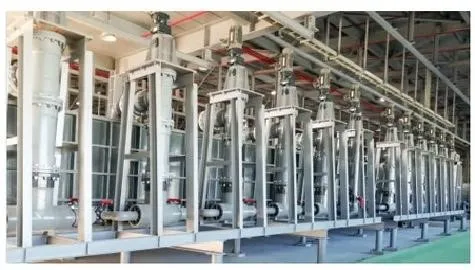
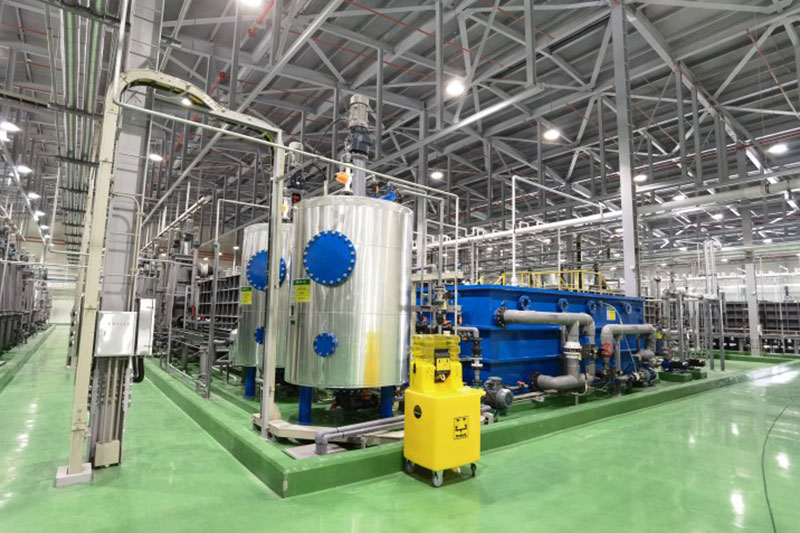
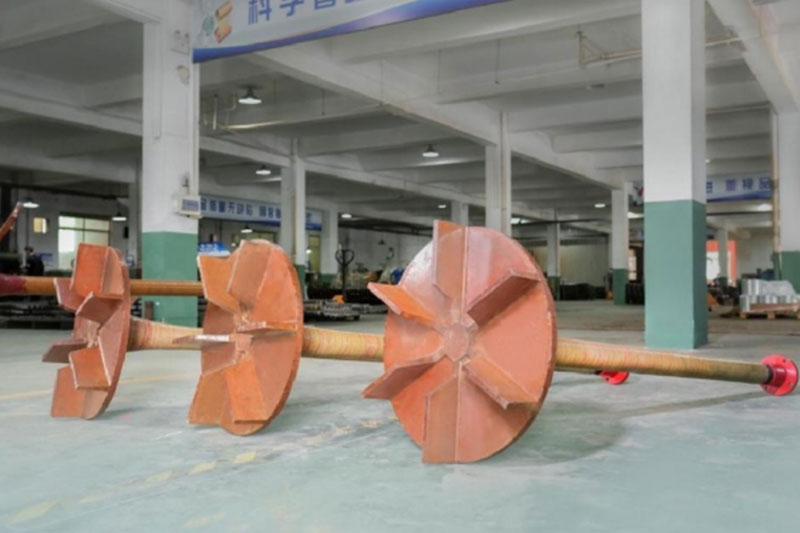
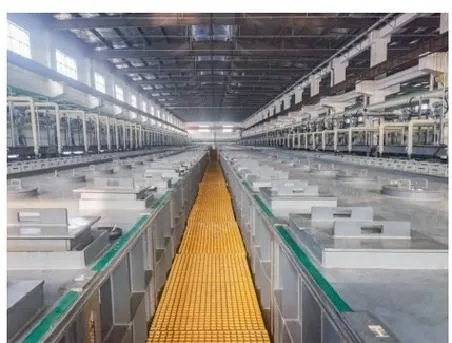
Hangzhou Tianyicheng New Energy Technology Co. (TYIC) stands at the forefront of modern REE leaching technology. Leveraging decades of experience in chemical engineering, TYIC designs and manufactures extraction equipment — including tubular mixing extractors, micro‑interface oil removal systems, and corrosion‑resistant storage and process tanks — tailored for REE leaching, wastewater treatment, and hydrometallurgical processing.
Customized Solutions for Diverse REE Processes
-
Extractores mezcladores tubulares: These ensure uniform contact between ore slurry and leachant, maximizing REE dissolution while reducing reagent consumption and minimizing local over‑concentration that might leach unwanted impurities.
-
Sistemas de eliminación de aceite por microinterfaz: Essential for recycling processes or leaching of secondary sources, these systems remove organic residues or lubricants that may accompany scrap magnets or used catalysts — ensuring cleaner leach solutions and higher purity end products.
-
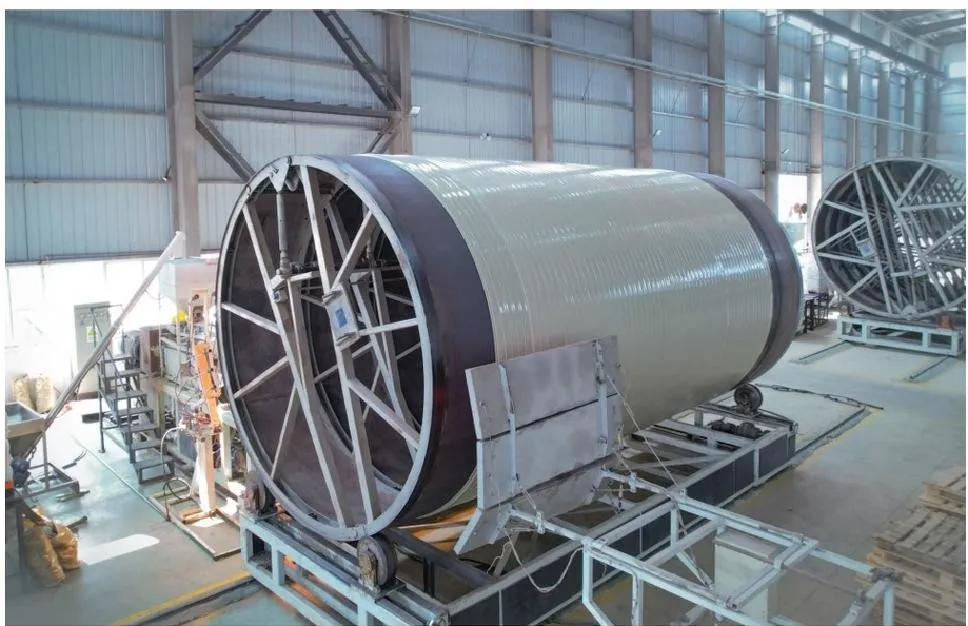
Corrosion‑Resistant Storage Tanks and Reactors: Since leachants can be acidic, alkaline, or chelating agents, TYIC’s PPH/HDPE tanks resist corrosion and contamination — ensuring long-term durability, safe storage, and compliance with stringent environmental standards.
TYIC’s capabilities extend beyond equipment manufacturing: they offer full EPC services — from process design and equipment layout optimization to selection of materials and compliance with international environmental and safety standards. This enables clients (battery recyclers, non‑ferrous metal processors, chemical manufacturers, and environmental firms) to deploy REE leaching and recovery operations with minimal risk, high efficiency, and sustainability.
Environmental Compliance and Waste Treatment Integration
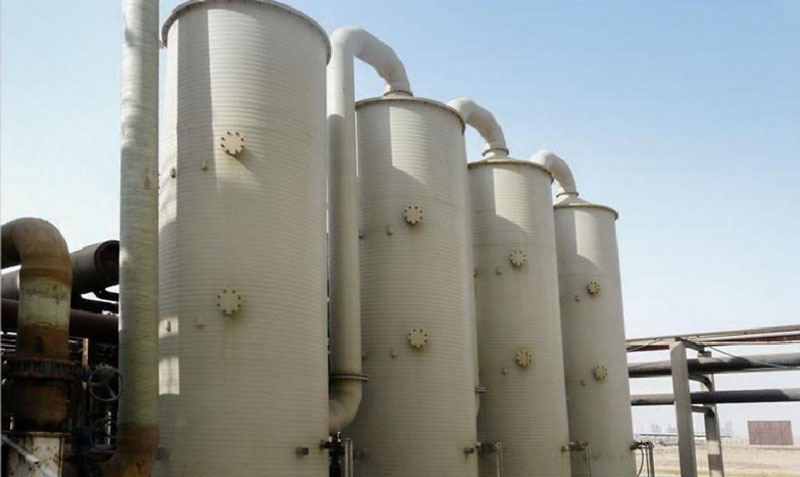
Recognizing the environmental legacy of early REE leaching, TYIC integrates waste gas and wastewater treatment systems, as well as wastewater neutralization and solid residue management units, into their solutions. This ensures that leaching operations — whether processing raw ore or recycled materials — comply with global environmental regulations and ESG standards, minimizing ecological impact and community resistance.
Current Trends and Future Directions in REE Leaching
-
Increased demand from lithium‑ion battery manufacturers and clean energy markets (e.g., EVs, energy storage) is driving higher REE demand — especially for elements like neodymium, praseodymium, dysprosium, and terbium. As demand surges, so does the need for efficient, high‑throughput, environmentally responsible leaching and recovery.
-
Growth in secondary REE sources: Recycling of spent magnets, catalysts, fluorescent tubes, and battery waste is expanding rapidly. These secondary streams pose unique challenges: complex material matrices, presence of organics or contaminants, and fluctuating feedstock quality. Solutions require adaptable, modular extraction systems — exactly where TYIC’s customization and EPC capabilities stand out.
-
Normativa medioambiental y ESG más estricta en todo el mundo hacen inaceptables los métodos de vertido tradicionales. Los clientes exigen ahora total transparencia, trazabilidad y procesamiento en circuito cerrado, lo que favorece a proveedores como TYIC, que ofrecen equipos integrados y sistemas de tratamiento de residuos.
-
Innovación tecnológica en lixiviantes y control de procesos: Se están desarrollando nuevos agentes quelantes, alternativas ácidas más ecológicas y sistemas de extracción automatizados. TYIC sigue colaborando con instituciones de investigación y clientes para adaptar los equipos a los reactivos químicos emergentes, garantizando la competitividad a largo plazo.
Challenges and Opportunities
Aunque los métodos modernos de lixiviación reducen los residuos y aumentan la eficacia, sigue habiendo problemas:
-
Variabilidad de las materias primas - La composición de los minerales y los materiales reciclados varía mucho, lo que exige protocolos de lixiviación flexibles y equipos adaptables. La personalización de TYIC resuelve este problema, pero el diseño del proceso se vuelve más complejo.
-
Presión de los costes - Los agentes quelantes, el reciclado de reactivos y el tratamiento de las aguas residuales aumentan los costes operativos en comparación con la lixiviación ácida en bruto. Sin embargo, el cumplimiento de la normativa, los costes de eliminación de residuos y las primas ESG suelen compensar estos gastos a largo plazo.
-
Escalado para la producción en serie - Para satisfacer la creciente demanda de REEs en los mercados de baterías y vehículos eléctricos, los sistemas de lixiviación y recuperación deben ampliarse manteniendo la eficiencia y el cumplimiento de las normas medioambientales. La experiencia de TYIC en EPC y la fabricación de alta capacidad pretenden satisfacer esa necesidad.
Estos retos también presentan oportunidades: las empresas que adoptan la lixiviación ecológica avanzada con sistemas de tratamiento integrados pueden obtener ventajas competitivas, tanto en el cumplimiento de la normativa como en el ahorro de costes a largo plazo.
Resumen
En resumen, la lixiviación de REE ha evolucionado de métodos ineficientes y contaminantes basados en ácidos a sistemas hidrometalúrgicos modernos, respetuosos con el medio ambiente y altamente eficientes. TYIC apoya esta evolución ofreciendo equipos de extracción personalizados, servicios completos de EPC y tratamiento integrado de residuos, lo que permite una recuperación de REE sostenible y de alto rendimiento para las industrias actuales de energía limpia y reciclaje.
La lixiviación eficiente y ecológica de REE mediante las soluciones avanzadas de TYIC garantiza la seguridad de los recursos y la protección del medio ambiente para la industria y la sociedad.
 Español
  English
  Deutsch
  Français
  Português
  Italiano