
Discarded lithium-ion batteries are increasing rapidly. Without sustainable recycling, valuable metals are lost, environmental pollution grows, and supply chains become unstable. Advanced recycling technologies provide the solution.
Sustainable lithium-ion battery recycling refers to environmentally responsible processes that recover valuable metals such as lithium, cobalt, nickel, and manganese from spent batteries. By integrating efficient extraction technology, advanced separation systems, and strict environmental control measures, recycling helps conserve resources, reduce environmental impact, and support a circular economy within the global battery industry.
Understanding sustainable battery recycling technologies is essential for industries seeking stable raw material supply and environmentally compliant operations.
Índice
🔋 The Growing Need for Sustainable Lithium-Ion Battery Recycling
The rapid expansion of electric vehicles (EVs), consumer electronics, and energy storage systems has dramatically increased the demand for lithium-ion batteries. As production grows, the volume of end-of-life batteries also rises sharply.
Without effective recycling systems, these batteries may become a major environmental challenge. Lithium-ion batteries contain heavy metals and reactive chemicals that can contaminate soil and groundwater if improperly disposed of.
At the same time, batteries contain valuable metals such as:
- Litio
- Cobalto
- Níquel
- Manganeso
Mining these metals requires significant energy, water, and land resources. In addition, geopolitical tensions and limited mineral reserves can disrupt the supply chain for battery manufacturers.
Sustainable recycling offers a strategic solution. By recovering metals from used batteries, industries can reduce dependence on mining while securing a stable supply of critical raw materials for battery production.
Governments around the world are also introducing stricter regulations to encourage responsible recycling. Companies involved in battery materials, EV manufacturing, and metal processing are increasingly required to adopt environmentally compliant recycling solutions.
⚙️ Key Technologies Used in Battery Recycling
Modern lithium-ion battery recycling typically combines several technical processes to maximize material recovery while minimizing environmental impact.
1. Mechanical Pre-Treatment
The recycling process usually begins with mechanical processing, where batteries are discharged, dismantled, and shredded.
This step separates different components such as:
- Aluminum foil
- Copper foil
- Plastic separators
- Battery powder (black mass)
En black mass is the most valuable material, containing lithium, cobalt, nickel, and manganese.
2. Hydrometallurgical Extraction
One of the most efficient methods for recovering metals is hydrometallurgy.
In this process, the black mass is treated with chemical solutions that dissolve metal compounds. Through controlled chemical reactions, individual metals can be selectively separated and purified.
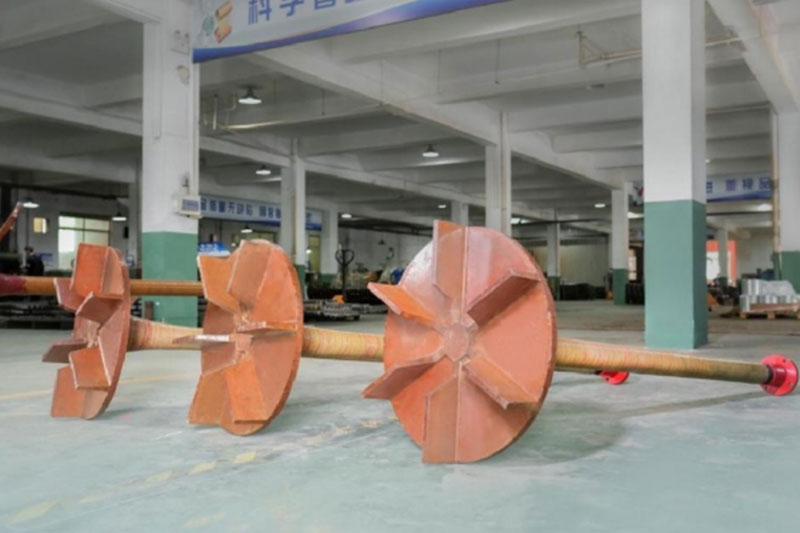
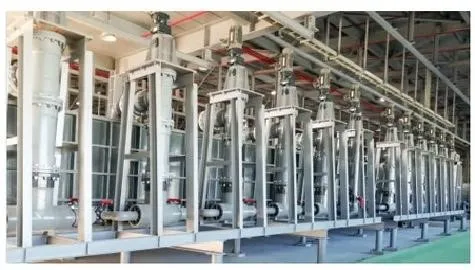
Advanced extraction equipment—such as tubular mixing extractors and solvent extraction systems—plays a critical role in this stage. These technologies improve:
- Phase mixing efficiency
- Metal recovery rates
- Product purity
They also help reduce chemical consumption and operational costs.
3. Pyrometallurgical Processing
Some recycling facilities also use pyrometallurgical processes, which involve high-temperature smelting.
While smelting can process mixed battery waste quickly, it has some limitations:
- Higher energy consumption
- Possible lithium loss
- Additional refining requirements
As a result, many modern recycling plants prefer procesos hidrometalúrgicos due to their higher recovery efficiency and lower environmental footprint.
🌱 Environmental Benefits of Sustainable Recycling
One of the most important advantages of sustainable lithium-ion battery recycling is the reduction of environmental pollution.
Improper battery disposal can release toxic chemicals and heavy metals into the environment. Recycling prevents these pollutants from entering ecosystems by safely extracting hazardous components.
Key environmental benefits include:
✔ Reduced landfill waste
✔ Lower soil and water contamination risks
✔ Reduced demand for new mining activitiesMining operations often cause land degradation, water pollution, and carbon emissions. Recycling helps reduce these impacts by returning valuable materials to the production cycle.
Another major advantage is the reduction of greenhouse gas emissions. Producing battery materials from recycled sources typically requires mucha menos energía than extracting them from raw ores.
This supports the global transition toward:
- Clean energy
- Electric mobility
- Low-carbon manufacturing
Ultimately, sustainable recycling contributes to the development of a economía circular, where materials are continuously reused instead of discarded.
💰 Economic Value of Battery Recycling
Lithium-ion battery recycling is not only environmentally beneficial but also economically valuable.
Metals such as cobalt, nickel, and lithium are highly valuable commodities. Their prices can fluctuate significantly due to global supply constraints.
Recovering these metals from used batteries provides several advantages:
- Reduced raw material costs
- Improved supply chain security
- Reduced dependence on imported minerals
For battery manufacturers, recycled materials offer a stable and predictable supply of critical metals.
Recycling infrastructure also creates new industrial opportunities. Many companies are investing in equipment and systems for:
- Metal extraction
- Chemical separation
- Wastewater treatment
- Corrosion-resistant storage systems
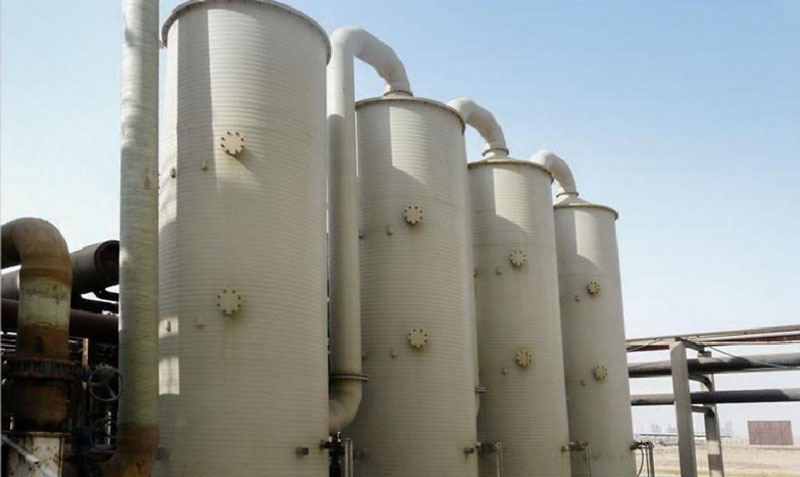
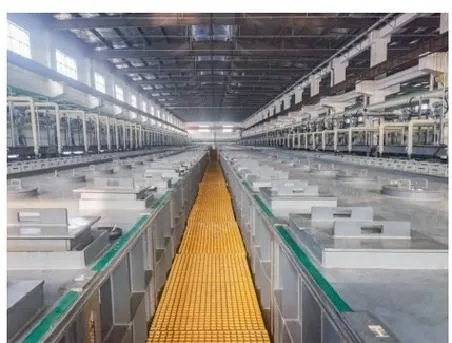
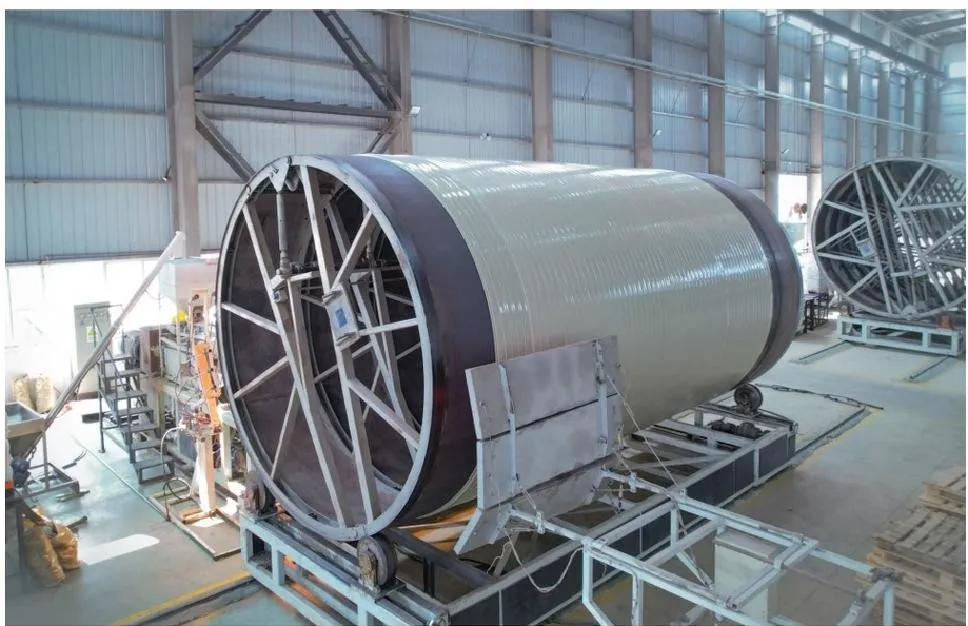
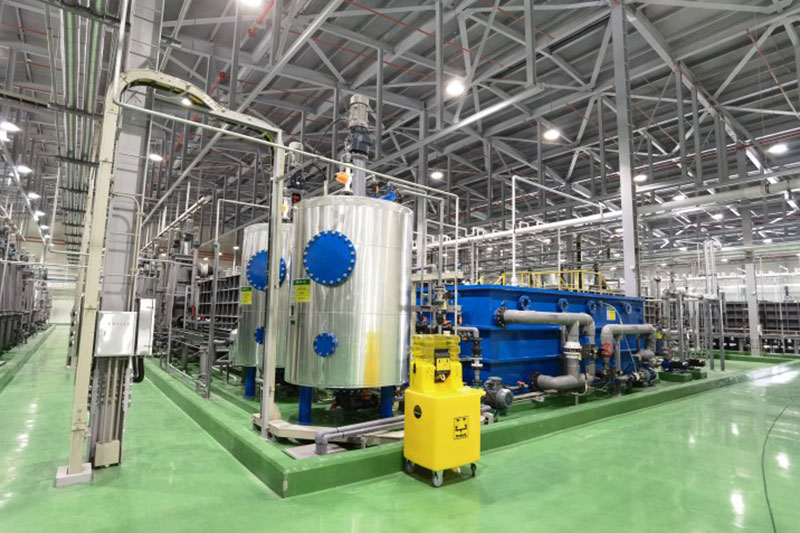
Specialized industrial equipment—such as extraction units, mixing systems, and corrosion-resistant tanks—plays an essential role in modern recycling plants.
Furthermore, many battery manufacturers are forming closed-loop partnerships with recycling companies. In these systems, materials recovered from old batteries are directly reused to produce new cathode materials, creating a sustainable supply chain.
⚠️ Challenges Facing the Recycling Industry
Despite its potential, the lithium-ion battery recycling industry still faces several technical and logistical challenges.
One major difficulty is the diversity of battery chemistries. Different batteries contain different material compositions, which complicates recycling processes.
Battery pack design is another challenge. Many batteries are complex and difficult to dismantle, increasing labor costs and processing time.
Another key issue is the collection and transportation of used batteries. Efficient recycling requires a well-organized system for:
- Battery collection
- Safe storage
- Transportation to recycling facilities
Without proper infrastructure, large volumes of batteries may still end up in landfills or informal recycling channels.
Additionally, recycling facilities must comply with strict environmental regulations. Proper management of wastewater, exhaust gases, and chemical residues is essential for sustainable operations.
🚀 Future Trends in Battery Recycling
As the global battery market continues to expand, sustainable recycling technologies are expected to advance rapidly.
Key trends include:
🔹 More efficient hydrometallurgical extraction technologies
🔹 Automated battery dismantling systems
🔹 Integration of recycling plants with battery manufacturing facilitiesBy locating recycling operations close to battery production plants, companies can create shorter supply chains and lower transportation costs.
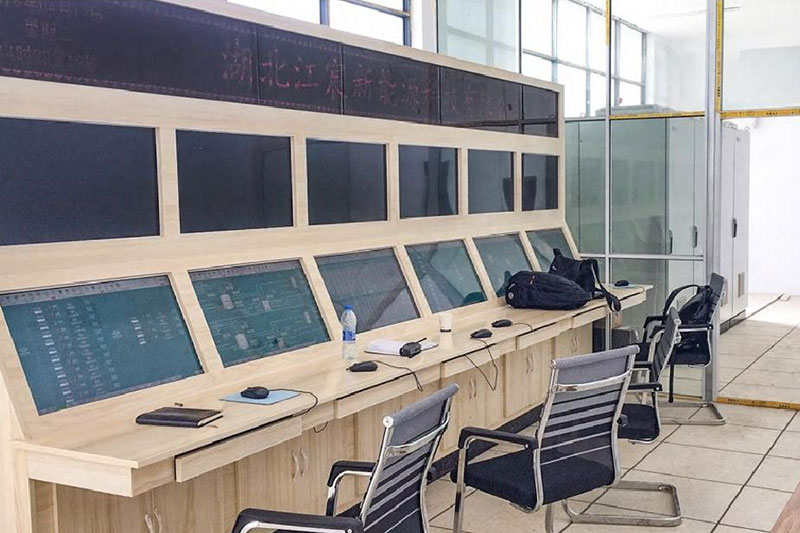
Digital monitoring and process optimization technologies are also improving the performance of recycling facilities. These systems help achieve:
- Mayores índices de recuperación de metales
- Menor consumo de energía
- Reduced chemical usage
With growing regulatory support and technological innovation, sustainable lithium-ion battery recycling is becoming a core component of the global clean energy ecosystem.
Sustainable lithium-ion battery recycling conserves resources, reduces pollution, stabilizes raw material supply, and supports the long-term growth of the clean energy industry.
 Español
  English
  Deutsch
  Français
  Português
  Italiano