
Les fuites, la corrosion et les défaillances coûteuses surviennent en l'absence d'une construction de réservoir appropriée. Les réservoirs de stockage hors sol construits avec une ingénierie de pointe assurent la durabilité, la sécurité et la conformité.
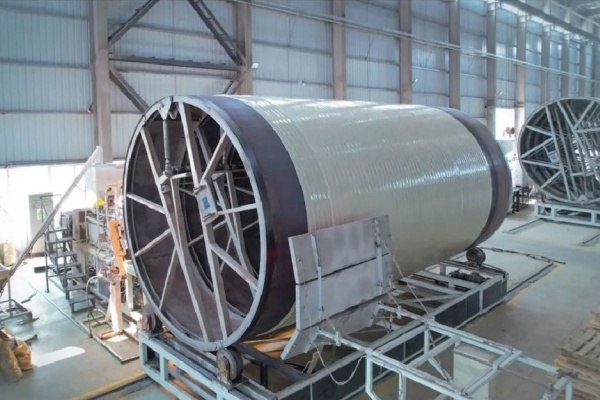
Les réservoirs de stockage hors sol sont construits en utilisant de l'acier de haute qualité ou des matériaux composites, des fondations renforcées, des couches de protection contre la corrosion et un soudage de précision, ce qui garantit une résistance durable, le respect de l'environnement et des performances de stockage efficaces.
Examinons le processus de construction étape par étape.
Table des matières
Préparation des fondations et du site
La construction d'un réservoir de stockage hors sol commence par un fondation stable. Les ingénieurs effectuent des tests de sol pour évaluer la capacité portante et l'état des eaux souterraines. Des socles en béton ou des fondations annulaires sont généralement mis en place pour répartir uniformément la charge du réservoir. Le nivellement adéquat du site garantit que l'eau s'écoule loin du réservoir, réduisant ainsi les risques de corrosion à la base.
Sélection des matériaux
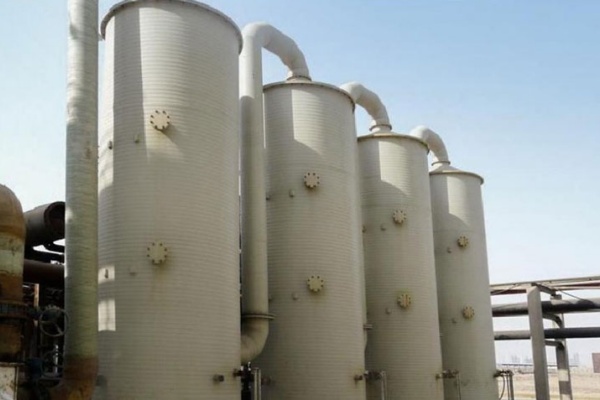
La plupart des réservoirs sont construits à partir de acier au carbone, acier inoxydable ou matériaux composites. L'acier au carbone est rentable, l'acier inoxydable offre une résistance supérieure à la corrosion et les composites sont choisis pour les produits chimiques incompatibles avec le métal. Le choix du matériau dépend du produit stocké - pétrole brut, produits chimiques ou eau - et de la conformité aux normes API, ASTM ou ISO.
Fabrication et assemblage des plaques
La coque du réservoir est construite à partir d'éléments préfabriqués. plaques d'acier. Ceux-ci sont laminés, alignés et soudés pour former des parois cylindriques. Le soudage est effectué selon des procédures certifiées afin de garantir l'étanchéité des joints. Des machines à souder automatisées et des essais non destructifs (END), tels que l'inspection par ultrasons, vérifient l'intégrité.
Installation du fond et du toit
Les fonds des réservoirs sont posés en premier, souvent par soudure à recouvrement pour plus de solidité. Les toits varient :
-
Toits coniques fixes pour les liquides standard.
-
Toits flottants qui montent et descendent avec les niveaux de liquide, minimisant ainsi les émissions de vapeur.
-
Toits en dôme pour le stockage sous pression.
Protection contre la corrosion et revêtement
Une étape critique de la construction est protection contre la corrosion. Les réservoirs sont recouverts d'époxy, de polyuréthane ou revêtus de feuilles de polymère spécialisées pour résister aux attaques chimiques. Des systèmes de protection cathodique peuvent également être installés pour prévenir la rouille.
Systèmes de sécurité
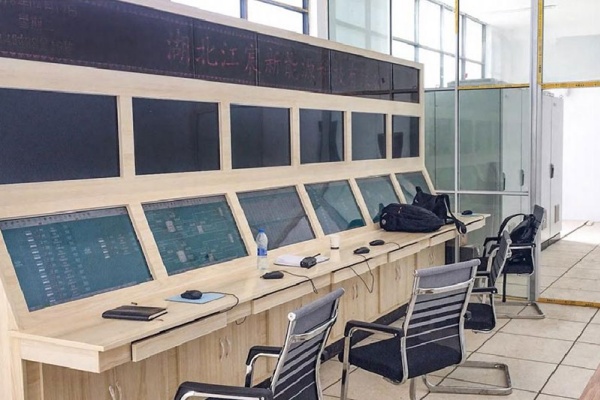
Les réservoirs modernes comprennent évents d'urgence, protection contre les débordements, buses d'extinction d'incendie et capteurs de surveillance en temps réel. Ces caractéristiques garantissent la sécurité des opérations et le respect des réglementations environnementales.
Inspection finale et mise en service
Avant la mise en service d'un réservoir, des essais hydrostatiques et des méthodes de contrôle non destructif confirment l'intégrité de la structure. Une fois certifiée, la citerne est connectée aux canalisations et aux systèmes de surveillance pour une intégration complète dans les opérations de l'installation.
Les réservoirs de stockage hors sol, lorsqu'ils sont construits avec précision et selon des techniques modernes, offrent des décennies de service sûr et fiable.
Résumé
Les réservoirs de stockage hors sol nécessitent une conception robuste, des matériaux résistants et un contrôle de qualité rigoureux pour assurer un stockage sûr et fiable.
 Français
  English
  Deutsch
  Português
  Español
  Italiano