
Battery waste is increasing rapidly, causing resource shortages and environmental risks. An efficient lithium battery recycling production line helps recover valuable metals safely and sustainably.
A lithium battery recycling production line is a complete industrial system designed to collect, discharge, dismantle, crush, separate, and refine spent lithium-ion batteries. Through advanced extraction, separation, and environmental protection technologies, valuable metals such as lithium, nickel, cobalt, and manganese can be recovered efficiently while reducing environmental pollution and supporting the circular economy.
Understanding each recycling stage helps manufacturers improve recovery efficiency, environmental compliance, and long-term operational profitability.
Table des matières
Why Is Lithium Battery Recycling Important?
The rapid growth of electric vehicles and energy storage systems has significantly increased the demand for lithium-ion batteries. However, discarded batteries contain hazardous substances that may pollute soil and water if improperly handled.
At the same time, spent batteries still contain high-value metals including:
- Lithium
- Nickel
- Cobalt
- Copper
- Manganese
Recovering these materials reduces dependence on mining while lowering manufacturing costs for new batteries.
Main Processes of a Lithium Battery Recycling Production Line
A modern lithium battery recycling production line usually consists of several integrated stages designed for safe and efficient material recovery.
1. Battery Collection and Classification
The recycling process begins with collecting and sorting waste batteries from:
- Véhicules électriques
- Consumer electronics
- Energy storage systems
- Industrial equipment
Different battery chemistries require different recycling methods. Proper classification improves recovery efficiency and operational safety.
2. Battery Discharge Process
Before dismantling, batteries must be fully discharged to eliminate the risk of:
- Fire
- Explosion
- Short circuit
Advanced discharge systems safely remove residual electricity and prepare batteries for mechanical processing.
This step is critical for maintaining production safety and protecting equipment.
3. Dismantling and Crushing
After discharge, batteries enter the dismantling system where outer casings, plastics, and structural components are separated.
The remaining battery materials are then crushed into smaller particles through industrial shredders and crushing equipment.
During this stage, advanced dust collection and waste gas treatment systems are essential to maintain environmental compliance and worker safety.
4. Physical Separation Process
The crushed materials contain mixed components such as:
- Copper foil
- Aluminum foil
- Plastic separators
- Black mass powder
The recycling line uses multiple separation technologies, including:
Magnetic Separation
Used to remove ferrous metals from mixed materials.
Airflow Separation
Separates lightweight and heavy materials based on density differences.
Screening Systems
Classifies particles according to size for improved downstream processing.
Gravity Separation
Improves purification efficiency of metal-containing materials.
The final result is highly concentrated black mass containing valuable battery metals.
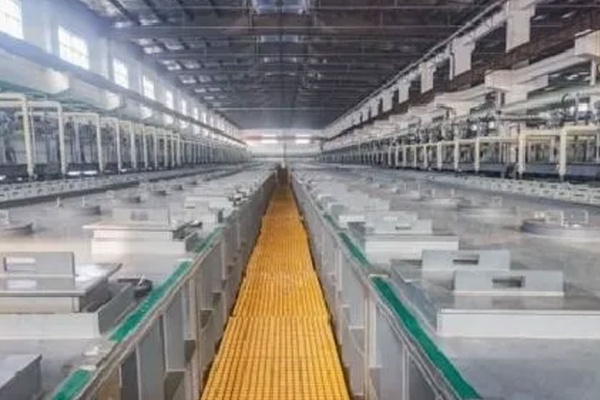
5. Hydrometallurgical Extraction
Hydrometallurgy is one of the most important stages in lithium battery recycling.
In this process, black mass is processed using chemical solutions to dissolve valuable metals selectively.
Common recovered materials include:
- Carbonate de lithium
- Nickel sulfate
- Cobalt sulfate
- Manganese compounds
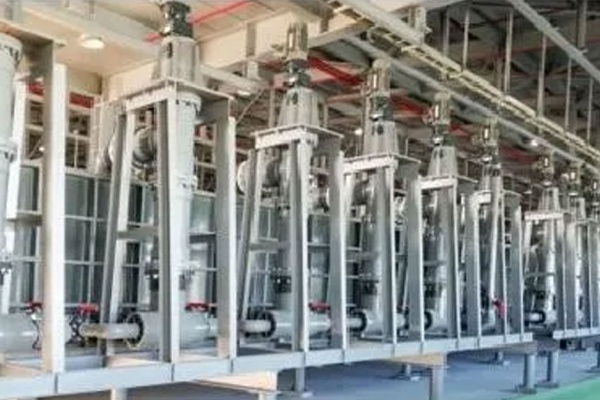
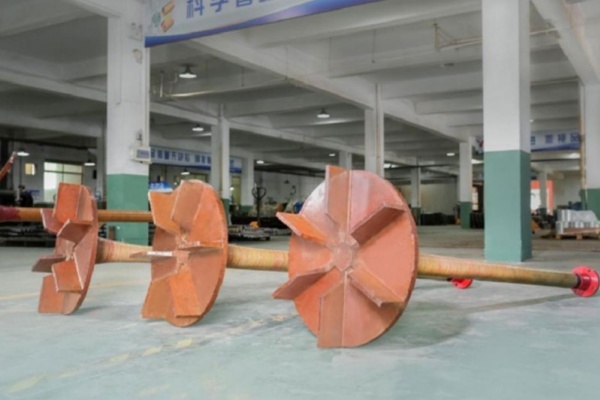
Advanced extraction systems, such as extracteurs mélangeurs tubulaires, can significantly improve:
- Extraction efficiency
- Mixing performance
- Metal purity
- Energy savings
Continuous extraction technology also helps reduce chemical consumption and operational costs.
6. Purification and Metal Recovery
After extraction, impurity removal and purification systems are used to produce battery-grade metal salts.
The recovered materials can then be reused in manufacturing:
- Cathode materials
- New lithium batteries
- Energy storage products
High-purity recovery directly affects the economic value of the recycling operation.
7. Wastewater and Waste Gas Treatment
Environmental protection is a critical part of any lithium battery recycling production line.
Chemical extraction processes generate wastewater and exhaust gases that must be treated before discharge.
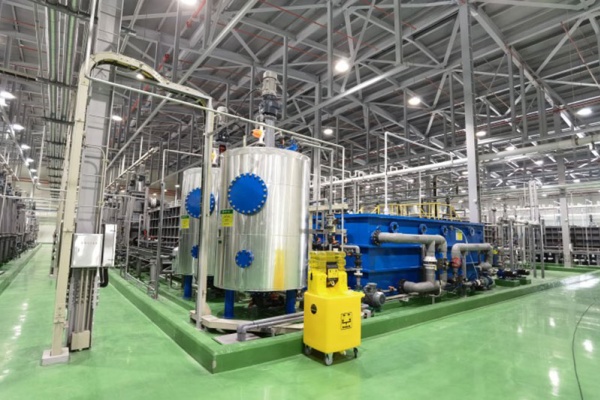
Modern recycling facilities typically integrate:
- Systèmes de traitement des eaux usées
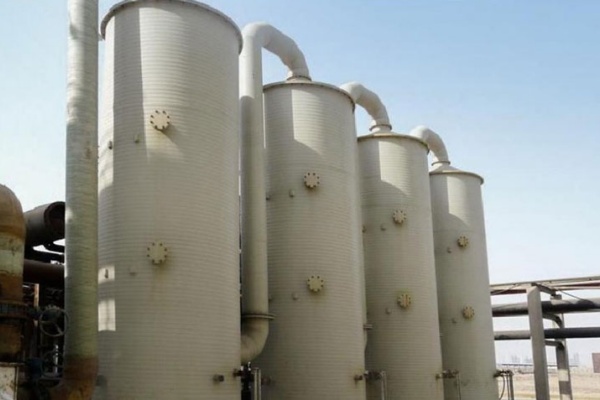
- Acid gas scrubbing systems
- Dust collection equipment
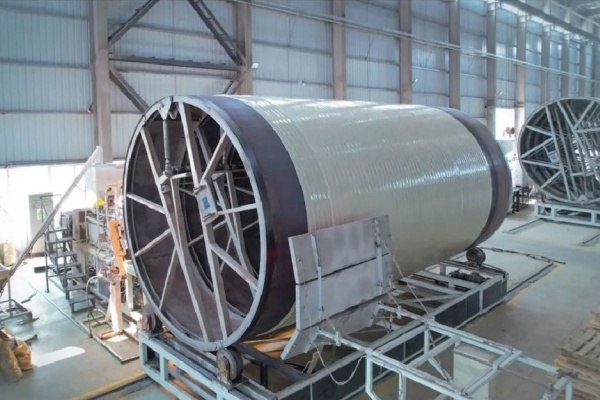
- Corrosion-resistant storage tanks
Using corrosion-resistant materials such as PPH et PEHD helps improve system durability and operational reliability.
Key Equipment Used in Lithium Battery Recycling Lines
A complete recycling production line usually includes:
| Equipement | Function |
|---|---|
| Discharge System | Removes residual battery power |
| Shredder and Crusher | Reduces battery size |
| Separation Equipment | Separates valuable materials |
| Tubular Mixing Extractor | Enhances metal extraction |
| Waste Gas Treatment System | Controls harmful emissions |
| Wastewater Treatment System | Treats chemical wastewater |
| Corrosion-Resistant Tanks | Stores chemical solutions safely |
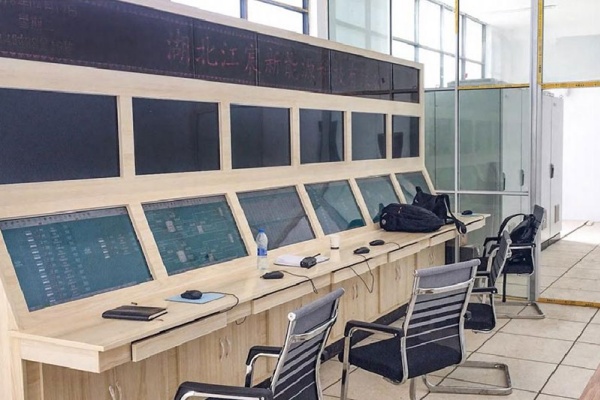
Integrated automation systems can also improve operational efficiency and reduce labor costs.
Advantages of Advanced Recycling Production Lines
Modern lithium battery recycling systems offer several major advantages:
High Recovery Efficiency
Advanced extraction technology increases metal recovery rates and maximizes economic returns.
Conformité environnementale
Integrated pollution control systems help manufacturers meet international environmental standards.
Customized Engineering Solutions
Different battery materials and production capacities require customized equipment configurations and process designs.
Sustainable Resource Utilization
Battery recycling supports the circular economy by reducing raw material waste and lowering carbon emissions.
Future Trends in Lithium Battery Recycling
As global demand for electric vehicles continues to rise, lithium battery recycling will become increasingly important.
Future recycling production lines are expected to focus on:
- Higher automation
- Intelligent monitoring systems
- Improved metal recovery rates
- Réduction de la consommation d'énergie
- Greener extraction technologies
Companies investing in advanced recycling technologies can strengthen supply chain stability while supporting global sustainability goals.
Efficient lithium battery recycling production lines help recover valuable resources, reduce pollution, and support sustainable battery manufacturing worldwide.
 Français
  English
  Deutsch
  Português
  Español
  Italiano