
Scaling lithium-ion battery recycling is difficult; delays increase metal losses, pression de conformitéet supply risk. Integrated engineering, durable equipmentet reliable environmental systems make large-scale recovery practical.
Large-scale lithium-ion battery recycling relies on efficient extraction equipment, corrosion-resistant systems, and integrated environmental solutions. With the right engineering design and turnkey execution, recyclers can recover valuable metals at high purity while improving safety, throughput, and long-term operating stability.
The industry is growing fast, but successful scale-up depends on much more than simply adding capacity.
Table des matières
◆ Why Large-Scale Battery Recycling Is Becoming Essential
The expansion of véhicules électriques et les systèmes de stockage d'énergie is driving lithium-ion battery recycling into a new industrial stage. What once focused on pilot projects and limited processing volumes is now becoming a major manufacturing activity with demanding requirements for débit, efficacité de la récupération, environmental complianceet operational stability.
As battery waste volumes continue to rise, recyclers are under pressure to build facilities that can process more material without sacrificing product quality ou plant safety. This shift means large-scale recycling is no longer just a growth option. It is becoming a practical necessity for companies seeking to stay competitive in the battery materials supply chain.
◆ The Real Challenge: Scaling the Entire Process, Not Just Output
Processing more spent batteries is not as simple as increasing equipment size. Large-scale lithium-ion battery recycling requires every stage of the operation to work together in a coordinated way. Lixiviation, extraction, separation, mixing, storage, oil removal, waste gas treatmentet traitement des eaux usées all need to be integrated into one stable process system.
A weakness in one section can affect the entire plant. Poor extraction efficiency can reduce metal recovery. Inadequate corrosion resistance can shorten equipment life. Weak environmental control can lead to compliance pressure and higher operating risk. This is why scaling successfully depends on system design rather than isolated equipment selection.
◆ Why Process Design Matters More at Industrial Scale
A recycling plant must be able to recover valuable metals such as nickel, cobalt, manganèseet lithium with consistent purity. Achieving that at large scale requires a process route that matches the composition of the incoming battery materials.
In reality, feedstock is rarely uniform. Battery chemistry, pretreatment condition, impurity levelset material origin can all vary. At higher throughput, those differences become more difficult to manage. A plant therefore needs more than efficiency alone. It needs flexibility, controllabilityet stable process performance across changing operating conditions.
That is why experienced engineering support is increasingly important. A capable supplier can help optimize the process from the beginning through route selection, equipment configuration, layout planninget l'intégration des systèmes, reducing risk before production even starts.
◆ Equipment Reliability Becomes a Core Competitive Factor
Large-scale recycling environments are harsh. Acidic liquids, organic vapors, abrasive materialset continuous operation place heavy demands on equipment. For this reason, durability is not just a maintenance issue. It directly affects plant uptime, operating costet project returns.
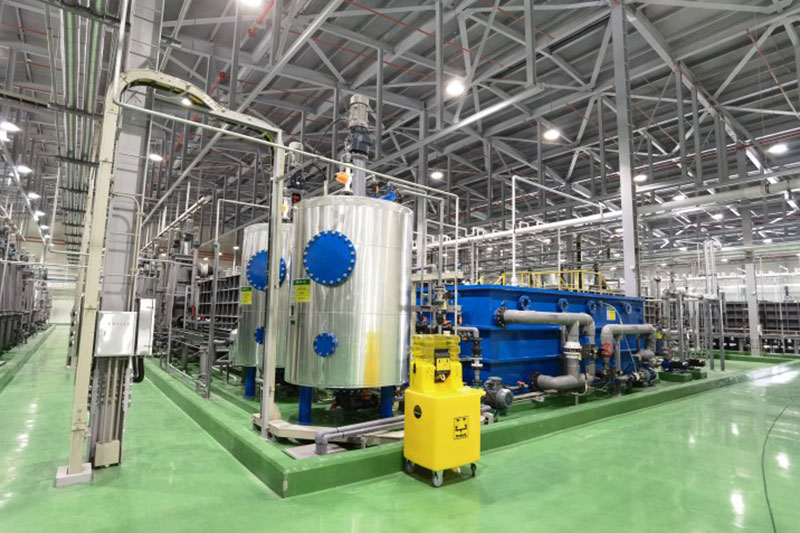
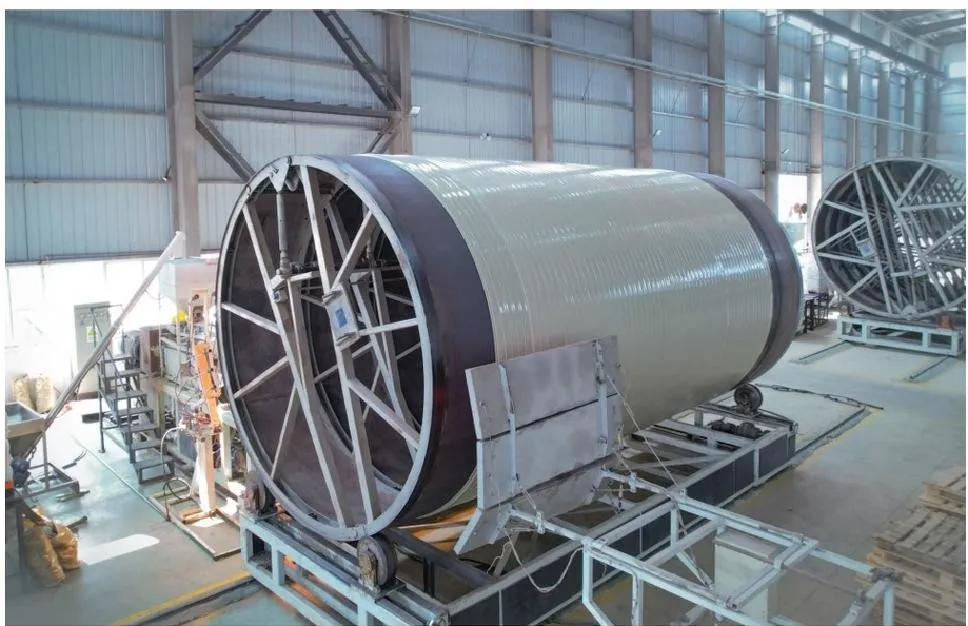
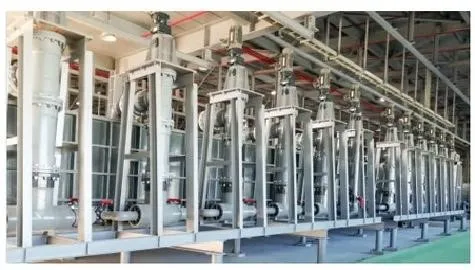
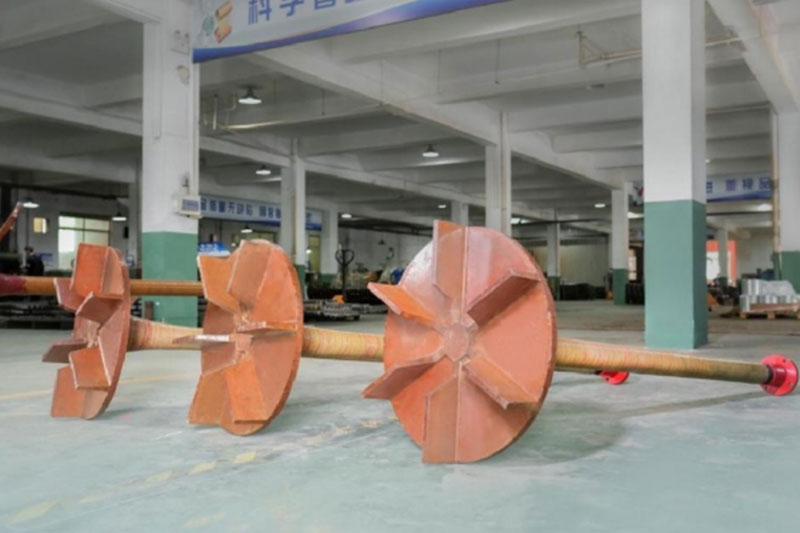
Critical systems such as extracteurs mélangeurs tubulaires, storage tanks, reaction equipment, micro-interface oil removal unitset corrosion-resistant process vessels must be designed for long-term use in demanding industrial conditions. Material selection, structural designet manufacturing quality all play a decisive role in ensuring reliable performance.
For industrial clients, reliable equipment means fewer shutdowns, more predictable productionet better long-term value. In a sector where recovery efficiency and continuity are essential, equipment reliability quickly becomes a competitive advantage.
◆ Environmental Systems Must Be Built Into the Process
Modern lithium-ion battery recycling projects are judged not only by recovery results, but also by environmental performance. Large facilities must control emissions, eaux uséeset process by-products in a structured and compliant way.
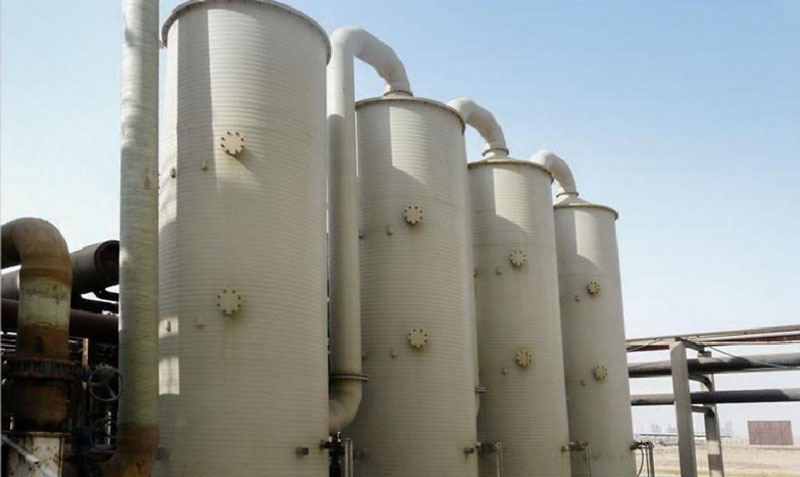
This makes waste gas treatment systems, acid mist absorption, wastewater treatment unitset corrosion-resistant storage solutions central parts of plant design. These systems should not be considered secondary utilities added after the main line is built. They need to be integrated from the start so that production et environmental management support each other.
An integrated environmental approach improves conformité, protects surrounding equipment, reduces operational risk, and supports smoother long-term plant performance.
◆ Turnkey Execution Is Increasingly Valuable
As recycling projects become larger and more complex, many buyers prefer partners that can provide more than standard manufacturing. They want suppliers that can support design, production, installation, commissioninget ongoing technical coordination.
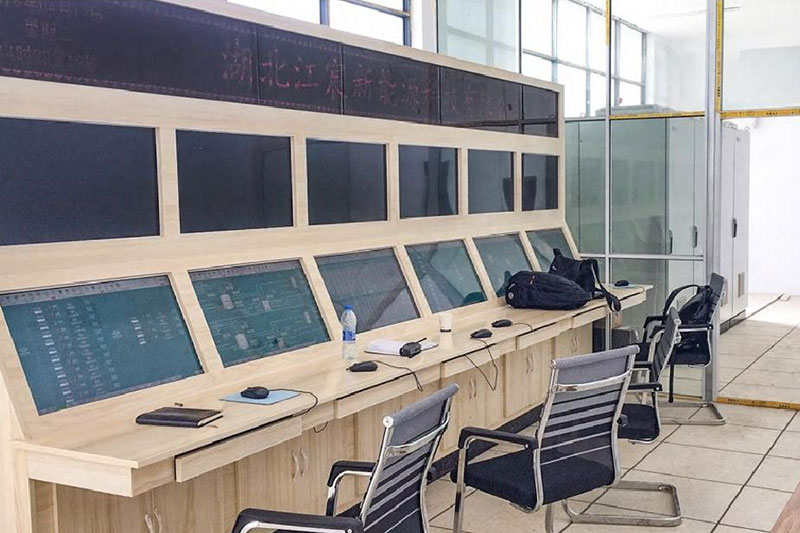
Turnkey project capability reduces communication gaps between process planning and field implementation. It also helps ensure that équipement, piping, plant layoutet les systèmes environnementaux are aligned with the intended process goals. For customers, this means shorter implementation cycles, lower project uncertaintyet more efficient project management.
In fast-growing sectors such as battery recycling and non-ferrous metal recovery, technical coordination is often just as important as manufacturing capacity. Companies increasingly value suppliers that combine engineering depth, customization abilityet execution reliability.
◆ The Future of Battery Recycling Will Be System-Driven
As lithium-ion battery recycling goes large, success will depend on who can deliver complete, stableet scalable solutions rather than standalone products. Industrial clients are looking for consistent recovery, durable equipment, integrated environmental protectionet scalable engineering support.
This marks an important shift for the industry. Battery recycling is moving from isolated pilot operations toward full industrialization. In that environment, the strongest position belongs to companies that can combine process expertise, corrosion-resistant equipmentet coordinated EPC-style delivery into one practical solution.
Large-scale battery recycling succeeds through integrated process design, durable equipment, and efficient environmental control across the full system.
 Français
  English
  Deutsch
  Português
  Español
  Italiano