
Les batteries lithium-ion usagées créent les risques liés à la sécurité, les contraintes de conformité et les pertes de métaux précieux. Une mauvaise gestion peut entraîner des incendies, de la pollution et des perturbations dans l'approvisionnement. Le recyclage offre une solution de valorisation maîtrisée.
En 2026, le recyclage des batteries lithium-ion évolue d’un simple traitement des déchets vers une récupération stratégique des matériaux. Cette évolution est portée par la mise hors service des batteries de véhicules électriques, les déchets de fabrication, un renforcement de la réglementation environnementale et une demande croissante de récupération du lithium, du nickel, du cobalt, du manganèse et du cuivre, grâce à des processus de prétraitement sécurisés, d’hydrométallurgie, d’extraction, de purification et de réutilisation.
Cette présentation générale explique les principaux facteurs, les filières de traitement, les défis et les considérations relatives aux équipements qui façonneront les projets de recyclage en 2026.
Table des matières
1. Pourquoi le recyclage des batteries lithium-ion est-il important en 2026 ?
Les batteries lithium-ion sont largement utilisées dans véhicules électriques, systèmes de stockage d'énergie, électronique grand public et électrification industrielle. À mesure que le marché mondial des batteries se développe, de plus en plus de batteries entrent dans les phases de collecte, de contrôle, de réutilisation, de démontage et de recyclage.
En 2026, le recyclage n'est plus seulement une question environnementale. Il fait désormais partie intégrante de la chaîne d'approvisionnement en minéraux essentiels. Les fabricants de batteries, les entreprises de recyclage, les transformateurs de métaux non ferreux et les fournisseurs de technologies environnementales s'intéressent de plus en plus aux moyens de récupérer les métaux précieux de manière sûre et efficace.
Les matières premières issues du recyclage proviennent principalement de deux sources :
| Source des matières premières | Principales caractéristiques |
|---|---|
| Déchets de fabrication | Générés lors de la fabrication des cathodes, des cellules et des modules ; relativement stables et plus faciles à collecter |
| Batteries en fin de vie | Provient de véhicules électriques hors service, de systèmes de stockage d'énergie et d'appareils électroniques ; plus complexe sur le plan chimique et en termes d'état |
Les déchets issus de l'industrie manufacturière resteront une source importante en 2026, tandis que les batteries de véhicules électriques en fin de vie devraient prendre une importance croissante dans les années à venir.
2. Principaux facteurs de croissance du marché
Récupération des minéraux critiques
Le recyclage des batteries contribue à la valorisation de lithium, nickel, cobalt, manganèse, cuivre, aluminium et graphite. Ces matériaux sont indispensables à la fabrication des batteries, notamment pour les véhicules à énergie nouvelle et les applications de stockage d'énergie.
En récupérant ces matériaux, le recyclage peut contribuer à réduire la dépendance vis-à-vis de l'exploitation minière primaire, à améliorer l'utilisation des ressources et à favoriser la stabilité des chaînes d'approvisionnement.
Pressions environnementales et réglementaires
Les pouvoirs publics et les secteurs d'activité renforcent les exigences en matière de collecte des batteries, d'efficacité du recyclage, de teneur en matériaux recyclés, de gestion de l'empreinte carbone et de traçabilité des matériaux.
Pour les entreprises de recyclage, cela signifie que la conception des procédés doit tenir compte non seulement de la récupération des métaux, mais aussi traitement des eaux usées, contrôle des gaz résiduaires, gestion des résidus, mesures de sécurité et conformité documentaire.
Évolution des composés chimiques utilisés dans les batteries
Le marché du recyclage doit également s'adapter aux différents types de batteries, notamment :
- Batteries NMC contenant du nickel, du manganèse et du cobalt
- Batteries NCA contenant du nickel, du cobalt et de l'aluminium
- Batteries LFP contenant du lithium, du fer et du phosphate
- Messe noire mixte provenant de différentes sources d'alimentation par batterie
Chaque composition chimique présente une valeur économique et des exigences de traitement différentes. C'est pourquoi les systèmes de recyclage de 2026 devront faire preuve d'une plus grande flexibilité et d'un meilleur contrôle des processus.
3. Principaux circuits de recyclage
Une chaîne de recyclage typique des batteries lithium-ion comprend plusieurs étapes, allant du prétraitement en toute sécurité à la récupération des métaux.
Étape 1 : Collecte et tri
Les piles sont collectées, identifiées, classées et triées en fonction de leur type, de leur état, de leur composition chimique et des risques qu'elles présentent pour la sécurité. Un tri adéquat permet de réduire les risques d'incendie et d'améliorer l'efficacité de la valorisation en aval.
Étape 2 : Déchargement et démontage
Avant d'être broyées ou de subir un traitement ultérieur, les batteries sont généralement déchargées afin de réduire les risques électriques. Les blocs-batteries peuvent ensuite être démontés en modules, cellules, boîtiers, câbles et autres composants.
Étape 3 : Broyage et séparation
Après le prétraitement, les batteries sont broyées et triées afin d'obtenir des fractions recyclables telles que :
- Messe noire
- Feuille de cuivre
- Papier d'aluminium
- Enveloppe en acier
- Plastiques
- Résidus d'électrolytes
La « masse noire » est un matériau intermédiaire essentiel, car elle contient des matières actives précieuses provenant des cathodes et des anodes.
Étape 4 : Lixiviation et purification
Dans le recyclage hydrométallurgique, la masse noire est traitée par lixiviation afin de dissoudre les métaux précieux dans une solution. Cette solution doit ensuite être débarrassée de ses impuretés, purifiée et soumise à un processus de séparation.
Parmi les méthodes de purification courantes, on peut citer :
- Extraction par solvant
- Échange d'ions
- Précipitations
- Cristallisation
- Électrolyse
Étape 5 : Récupération du produit
En fonction du procédé utilisé, les produits récupérés peuvent inclure carbonate de lithium, sulfate de nickel, sulfate de cobalt, sulfate de manganèse, produits à base de cuivre ou matériaux de qualité précurseur.
La qualité du produit final dépend de l'uniformité des matières premières, de la conception du procédé, du contrôle des impuretés et de la fiabilité des équipements.
4. Considérations relatives aux équipements et à l'ingénierie
Le recyclage des batteries lithium-ion implique des procédés chimiques complexes, l'utilisation de produits corrosifs et le respect d'exigences environnementales strictes. C'est pourquoi le choix des équipements joue un rôle essentiel dans la pérennité de l'exploitation.
Les équipements clés peuvent inclure :
| Catégorie d'équipement | Demande |
|---|---|
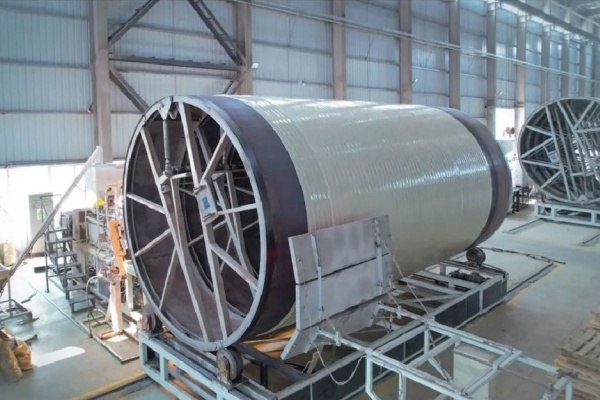
| Cuves de lixiviation | Dissolution des métaux précieux contenus dans la « masse noire » |
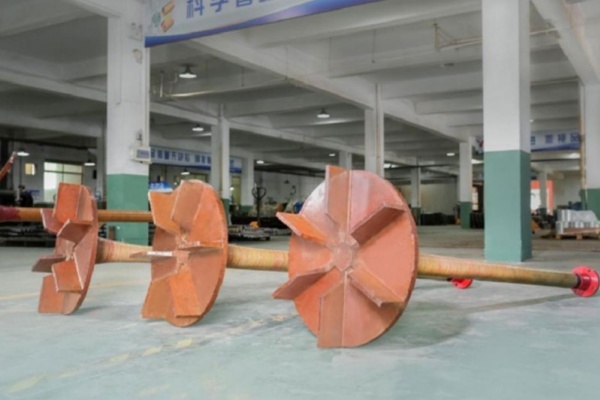
| Matériel d'extraction | Séparation du nickel, du cobalt, du manganèse, du lithium et des impuretés |
| Systèmes de déshuilage | Élimination des résidus organiques des fluides de process |
| Réservoirs de stockage | Stockage d'acides, d'alcalis, de produits intermédiaires et d'eaux usées |
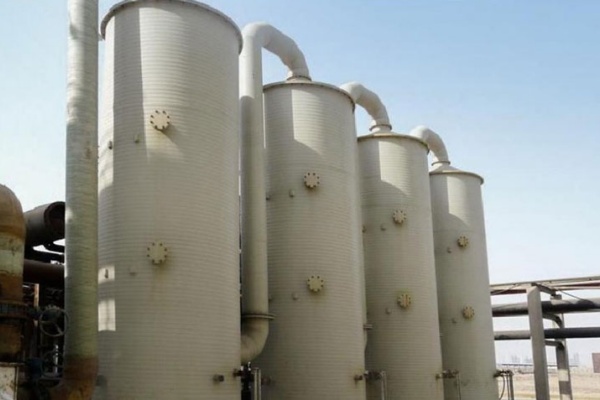
| Systèmes de traitement des gaz résiduaires | Maîtrise des brouillards acides et des effluents organiques |
| Systèmes de traitement des eaux usées | Traitement des eaux usées industrielles avant leur rejet ou leur réutilisation |
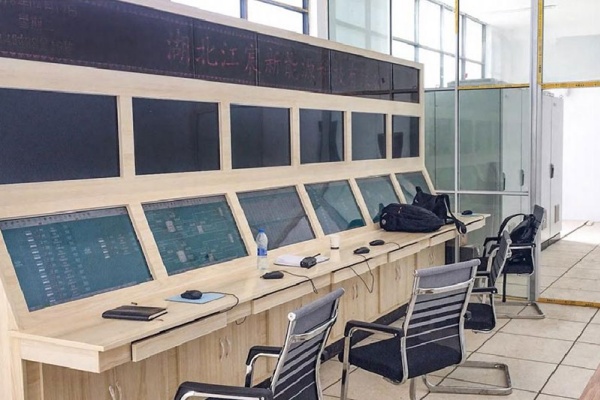
| Systèmes de commande électriques | Favoriser l'automatisation et assurer un fonctionnement stable |
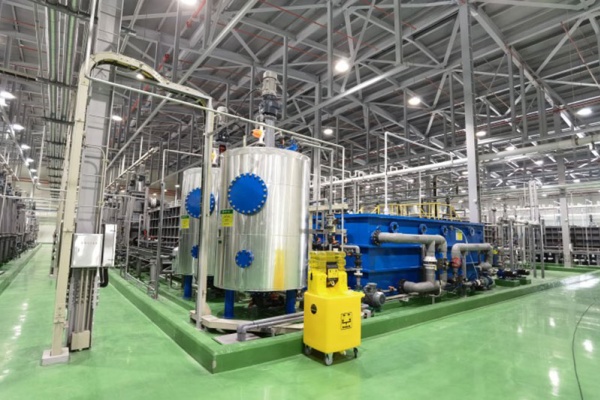
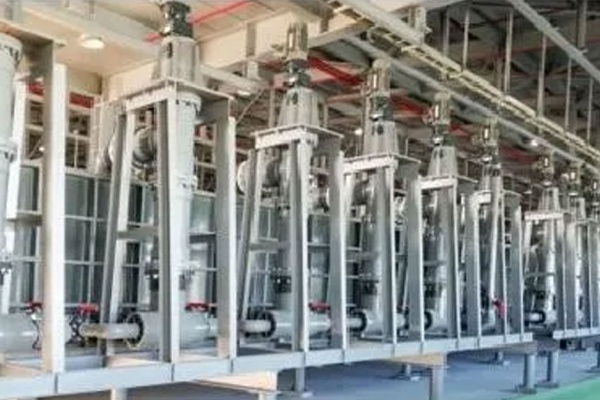
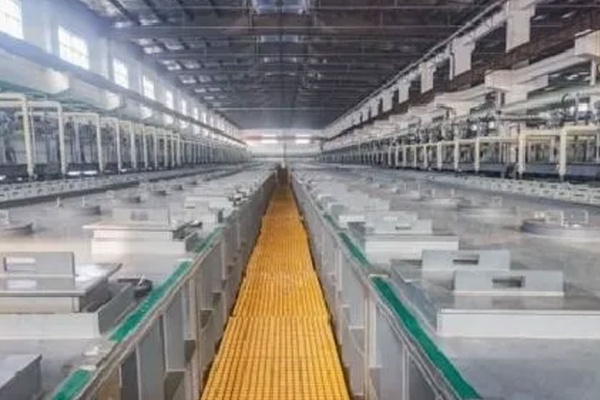
Les catégories de produits de TYIC comprennent : extracteurs rapides tubulaires, caissons d'extraction, cuves de lixiviation et de réaction, systèmes de séparation huile-résine, équipements de séparation de l'huile par flottation à air dissous, tours d'absorption des brouillards acides, systèmes d'absorption des gaz résiduaires organiques et systèmes de commande électrique.
Pour les projets de recyclage industriel, les équipements doivent être conçus en fonction de résistance à la corrosion, continuité du processus, sécurité d'exploitation, facilité d'entretien et respect des normes environnementales.
5. Exigences relatives à la conception du projet
Un projet de recyclage ne se limite pas à de simples machines. Il nécessite un système d'ingénierie complet qui intègre les processus, les équipements, l'agencement, les canalisations, l'automatisation et le traitement environnemental.
Parmi les facteurs importants à prendre en compte lors de la conception, on peut citer :
- Sélection de l'itinéraire de traitement en fonction de la composition chimique de la batterie et de la cible du produit
- Sélection des matériaux pour les acides, les alcalis, les solvants et les environnements hautement corrosifs
- Optimisation de l'agencement de l'atelier pour une logistique et une maintenance en toute sécurité
- Conception de canalisations et de chemins de câbles pour un fonctionnement stable de l'installation
- Contrôle de l'automatisation pour la surveillance des processus et la gestion de la sécurité
- Mise en service et formation pour assurer la stabilité de la production à long terme
Les documents de service de TYIC couvrent sélection des tracés de procédés, MB, conception des schémas PFD et P&ID, structures d'équipements sur mesure, planification des ateliers, conditions de génie civil, automatisation électrique, conception des canalisations, mise en service, formation et documentation technique.
Cette approche intégrée est adaptée aux projets de recyclage qui nécessitent une conception sur mesure des procédés et une exploitation industrielle stable.
6. Principaux défis en 2026
Incertitude liée aux matières premières
Les entreprises de recyclage de batteries peuvent être confrontées à des volumes de matières premières instables, à des compositions chimiques variées des batteries, à des circuits de collecte inégaux et à des degrés de détérioration variables des batteries.
C'est pourquoi la flexibilité dans la conception des processus revêt une importance particulière.
Contrôle qualité de « Black Mass »
La masse noire peut contenir de l'humidité, des résidus d'électrolytes, des impuretés, un mélange de métaux et des particules de tailles hétérogènes. Ces facteurs peuvent avoir une incidence sur l'efficacité de la lixiviation, la stabilité de l'extraction et la pureté du produit final.
Sécurité et risques environnementaux
Le recyclage des batteries peut présenter des risques d'incendie, générer des brouillards acides, des gaz résiduaires organiques, des eaux usées, des résidus solides et des produits chimiques corrosifs. Une chaîne de recyclage doit donc être équipée de systèmes intégrés de sécurité et de protection de l'environnement.
Pression économique
La rentabilité du recyclage dépend des cours des métaux, du taux de récupération, des coûts de traitement, de la consommation d'énergie et de la qualité des produits. À mesure que la composition chimique des batteries évolue, les recycleurs doivent améliorer leur efficacité et réduire les pertes inutiles.
7. Perspectives concernant le recyclage des batteries lithium-ion
En 2026, le recyclage des batteries lithium-ion évolue vers une plus grande échelle, un meilleur rendement de récupération, un contrôle environnemental renforcé et une meilleure traçabilité des matériaux.
Pour les fabricants de batteries, les entreprises de recyclage et les transformateurs de métaux non ferreux, l'essentiel est de mettre en place des systèmes de recyclage capables de s'adapter à l'évolution de la composition chimique des batteries et aux exigences réglementaires de plus en plus strictes.
Un projet de recyclage compétitif doit associer :
- Prétraitement sans danger
- Récupération hydrométallurgique efficace
- Extraction et purification stables
- Équipements résistants à la corrosion
- Traitement intégré des gaz résiduaires et des eaux usées
- Accompagnement technique tout au long du processus
Grâce à ces capacités, le recyclage des batteries lithium-ion peut contribuer à la fois à la protection de l'environnement et à l'utilisation circulaire des matériaux essentiels entrant dans la composition des batteries.
En 2026, le recyclage des batteries lithium-ion sera plus sûr, plus propre, plus traçable et plus rentable pour la chaîne d'approvisionnement des batteries.
 Français
  English
  Deutsch
  Português
  Español
  Italiano