
Spent lithium-ion batteries cause déchets de ressources, risques de pollutionet lithium supply pressure. Without proper recycling, both environmental and economic losses increase, while advanced recovery technology offers a practical solution.
Spent lithium-ion battery recycling is important because discarded batteries contain valuable lithium and other metals. Through processes such as disassembly, leaching, extraction, and crystallization, waste batteries can be converted into battery-grade lithium and other reusable materials, supporting resource security and sustainable industrial development.
So, why is lithium-focused recycling becoming so important for the battery industry?
Table des matières
Why Récupération du lithium Matters
Lithium is now a strategic resource for véhicules électriques et les systèmes de stockage d'énergie. As battery demand grows, the number of spent batteries also rises quickly.
If these batteries are not handled properly, they can lead to contamination de l'environnement et metal loss. At the same time, they contain recoverable lithium, nickel, cobaltet manganèse.
That is why recycling is not only about waste treatment. It is also about building a more stable et sustainable raw material supply chain.
Comment fonctionne le processus de recyclage
According to the uploaded materials, the recycling of spent ternary lithium batteries usually includes:
- Démontage et broyage
- Torréfaction
- Lixiviation
- Extraction
- Evaporation and crystallization
- Électrolyse
- Précipitations
This process is designed to separate valuable metals from complex battery waste. The main goal is to recover lithium efficiently and purify it for reuse.
A strong recycling route can also recover nickel, cobaltet manganèse at the same time. This improves both resource efficiency et project value.
Why Process Design Is Critical
Battery recycling is not only about equipment. It also depends heavily on engineering design.
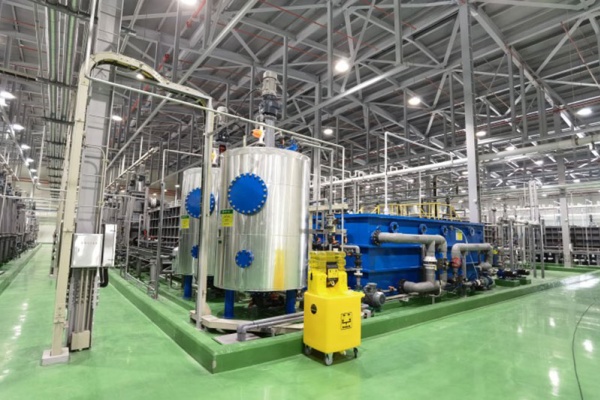
Different battery materials require different recovery routes. A complete project must consider the process flow, material balance, equipment selectionet workshop layout.
Good process design helps improve:
- Recovery efficiency
- Separation accuracy
- Impurity control
- Product quality
- Operational stability
For lithium recovery, these factors are essential because the final product often needs to reach battery-grade standards.
Recycling and Protection de l'environnement
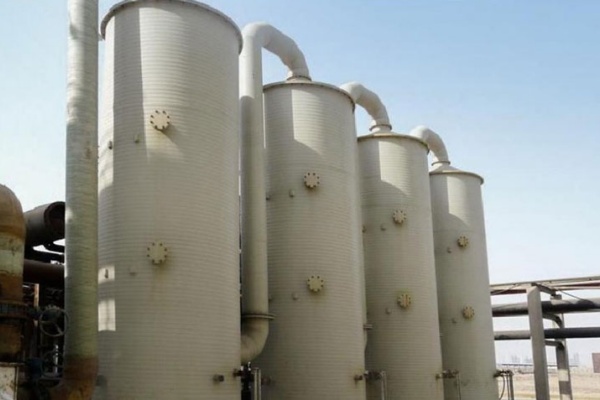
Battery recycling projects must also manage gaz résiduaires, eaux uséeset résidus solides. This makes environmental protection an important part of the overall system.
A complete recycling solution should combine metal recovery technology with environmental treatment systems. This helps enterprises reduce risk and meet stricter compliance requirements.
For industrial clients, this integrated approach supports both efficient production et sustainable operation.
The Value of Turnkey Solutions
In practice, customers often need more than process technology alone. They also require support in fabrication d'équipements, installation, mise en serviceet training.
Turnkey delivery helps connect all stages of the project into one coordinated system. This reduces implementation risks and improves operating efficiency.
Based on the uploaded materials, integrated recycling lines can help recover battery-grade nickel, cobalt, manganese, and lithium products, which is highly valuable for industrial users.
Why This Matters for the Future
Recycling spent lithium-ion batteries in view of lithium supports resource circulation, respect de l'environnementet long-term supply security.
As the battery industry continues to grow, enterprises will need recycling solutions that combine advanced technology, reliable equipmentet integrated engineering capability.
Efficient lithium recycling turns battery waste into value and supports a more sustainable battery industry.
 Français
  English
  Deutsch
  Português
  Español
  Italiano