
Impure leach solutions can reduce metal recovery, increase reagent consumption, and compromise final product quality. Solvent extraction provides a controlled solution for selectively separating valuable metals from complex battery recycling streams.
Solvent extraction in lithium battery recycling separates dissolved nickel, cobalt, manganese, lithium, and other metals by transferring selected ions between aqueous and organic phases. By controlling extractant selection, pH, mixing, settling, scrubbing, and stripping, the process improves separation efficiency and produces purified metal-bearing solutions for downstream recovery.
Understanding how solvent extraction fits into the complete recycling flowsheet is essential for improving recovery, process stability, equipment performance, and product consistency.
Table des matières
What Is Solvent Extraction?
Solvent extraction is a hydrometallurgical separation process commonly applied after valuable metals have been dissolved into an aqueous leach solution.
An organic phase containing a selected extractant contacts the aqueous phase under controlled conditions. During this process:
- Target metal ions transfer into the organic phase
- Unwanted metals and impurities remain mainly in the aqueous phase
- The loaded organic phase can be further purified
- Target metals can later be transferred into a clean aqueous solution
After extraction, the loaded organic phase may undergo scrubbing to remove co-extracted impurities. During stripping, the target metal is transferred from the organic phase into another aqueous solution.
The purified solution can then enter downstream processes such as precipitation, crystallization, electrowinning, or further refining.
For retired ternary lithium batteries, TYIC’s documented process route may include:
Disassembly & Crushing → Roasting → Leaching → Solvent Extraction → Evaporation / Crystallization / Electrowinning → Precipitation
This makes solvent extraction an important connection between leaching and final metal recovery.
Why Is Selective Metal Separation Important?
Battery leach solutions may simultaneously contain:
- Nickel
- Cobalt
- Manganèse
- Lithium
- Various metallic and non-metallic impurities
Without effective separation, these components may interfere with one another during downstream processing.
Poor separation can result in:
- Lower product purity
- Increased chemical consumption
- More complicated purification procedures
- Reduced recovery efficiency
- Unstable production conditions
A properly designed extraction circuit separates metals according to their different chemical behaviors.
Key operating parameters normally include pH, extractant concentration, organic-to-aqueous ratio, temperature, contact time, and extraction stage configuration.
In addition to chemical conditions, equipment hydraulics also influence performance. Mixing must provide sufficient contact for mass transfer, while phase separation must remain stable enough to limit organic entrainment and aqueous carryover.
Main Steps in a Solvent Extraction Circuit
A typical industrial solvent extraction system includes several coordinated stages.
1. Extraction
The aqueous leach solution contacts an organic phase containing a suitable extractant.
Selected metal ions transfer from the aqueous solution into the organic phase according to the chosen extraction chemistry.
2. Scrubbing
The loaded organic phase may contain small quantities of unwanted ions.
Scrubbing removes co-extracted impurities before the target metal enters the stripping stage.
3. Stripping
The target metal is transferred from the loaded organic phase into a new aqueous solution.
This produces a more concentrated and purified metal-bearing stream for subsequent recovery.
4. Phase Separation
After mixing, the organic and aqueous phases must separate efficiently.
Reliable equipment should support:
- Stable phase interfaces
- Fast phase disengagement
- Low organic loss
- Low aqueous entrainment
- Continuous operating stability
Where residual organic contamination may affect downstream recovery or wastewater treatment, oil-removal and entrainment-control systems can also be incorporated.
Equipment and Material Selection
Industrial solvent extraction equipment must be selected according to process chemistry, corrosion conditions, production capacity, plant layout, and operating requirements.
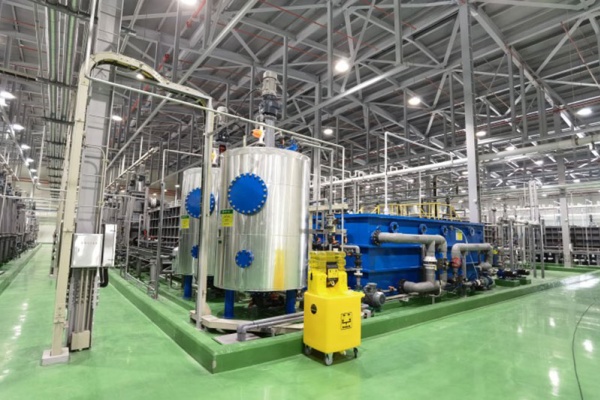
TYIC’s documented equipment range includes:
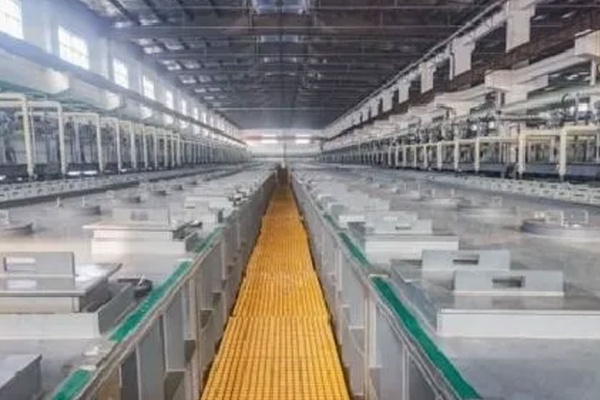
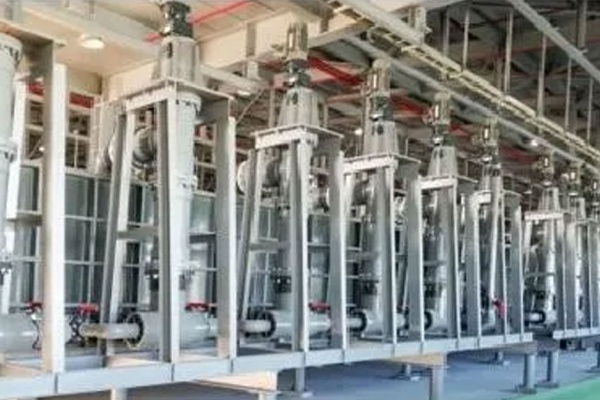
- Extraction boxes
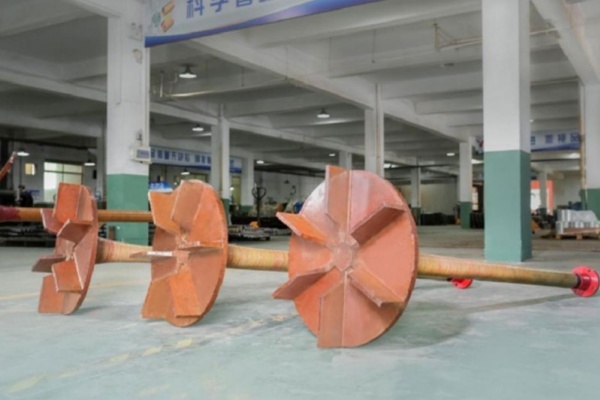
- Tubular rapid extractors
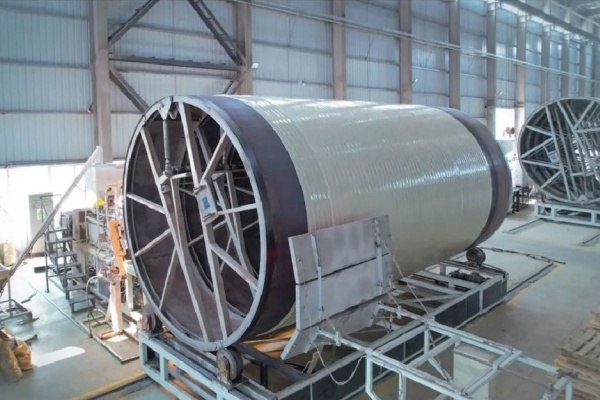
- Storage tanks
- Reaction and mixing tanks
- Systèmes de déshuilage à micro-interface
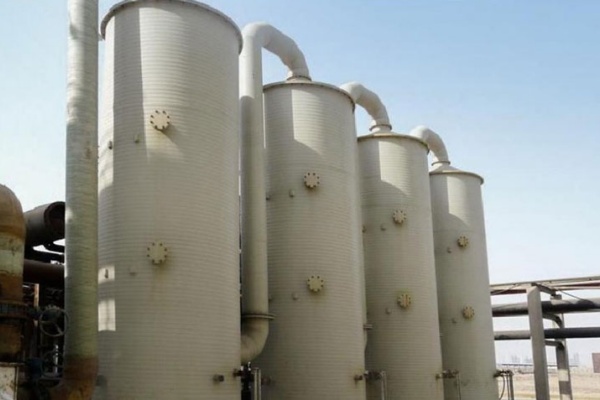
- Waste-gas absorption equipment
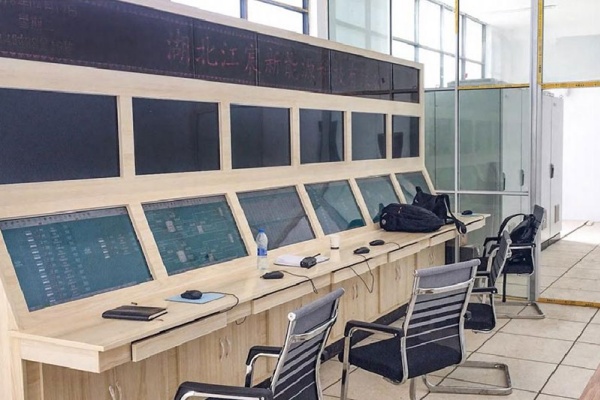
- Electrical control systems
Material selection is equally important because battery recycling solutions may contain acidic, alkaline, chloride-containing, and solvent-contacting media.
Available construction materials can include:
PPH | PVC | FRP | Stainless Steel | Steel Structures with Corrosion-Resistant Linings
Suitable materials help improve corrosion resistance, equipment service life, process reliability, and maintenance performance.
Application in Ternary Lithium Battery Recycling
In ternary battery recycling, solvent extraction can be used for the staged separation of nickel, cobalt, manganese, and lithium after leaching.
The specific separation sequence depends on several factors:
- Feed composition
- Metal concentration
- Impurity profile
- Target recovery products
- Downstream processing requirements
TYIC’s technical materials describe process capabilities for retired ternary power batteries and nickel-cobalt intermediate products, covering leaching, extraction, evaporation and crystallization, electrowinning, ion exchange, and precipitation.
The engineering objective is to achieve effective separation and recovery of valuable metals while providing suitable purified solutions for downstream production.
Feed variability must also be considered. Changes in metal concentration or impurity levels may alter extraction behavior. For this reason, laboratory testing or pilot verification can support process selection, stage configuration, and equipment sizing before industrial implementation.
Key Factors Affecting Extraction Performance
Several operating variables interact directly with solvent extraction efficiency.
Extractant Chemistry
Extractant selection determines metal selectivity and influences how effectively target ions can be separated.
pH Control
Solution pH strongly affects extraction behavior and metal loading.
Stable pH control is therefore essential for repeatable separation.
Mixing Intensity
Adequate mixing promotes mass transfer between the aqueous and organic phases.
However, excessive shear may create emulsification and make phase separation more difficult.
Residence Time and Stage Number
Residence time and extraction stage configuration influence both metal recovery and final solution purity.
Operators should also monitor:
- Organic losses
- Entrainment
- Emulsification
- Suspended solids
- Interface conditions
- Reagent degradation
Automation and instrumentation can help maintain flow ratios, liquid levels, pH, and other critical operating parameters within suitable ranges.
Integrated Engineering for Complete Recycling Plants
Solvent extraction should not be treated as an isolated processing step.
Its performance is closely connected with leaching, storage, mixing, corrosion-resistant equipment, oil removal, wastewater treatment, waste-gas treatment, automation, and downstream metal recovery.
TYIC provides integrated engineering support including:
- Conception du processus
- Customized equipment design
- Workshop layout optimization
- Automatisation électrique
- Pipeline and cable-tray design
- Equipment commissioning
- Basic operator training
TYIC’s technical materials state experience in more than 20 production-line designs and over 100 service projects.
By integrating extraction chemistry with equipment design and environmental systems, industrial recycling plants can improve process coordination, operational reliability, and downstream product quality.
Solvent extraction supports efficient lithium battery recycling when separation chemistry, equipment, materials, automation, and plant-wide engineering are designed as one coordinated system.
 Français
  English
  Deutsch
  Português
  Español
  Italiano