
Millions of retired EV batteries are coming. If they are mishandled, they can cause pollution, fire risks, and resource loss. The solution is safe recycling and valuable material recovery.
Dead electric car batteries are not simply discarded. After testing, they are usually reused, dismantled, and processed to recover lithium, nickel, cobalt, manganese, copper, et graphite. Advanced recycling systems help turn spent lithium-ion batteries into valuable raw materials, reduce waste, lower dependence on virgin mining, and support a more circular EV industry.
But what actually happens after an EV battery reaches the end of its driving life? Let’s look deeper.
Table des matières
1. The Growing Challenge of Spent EV Batteries
Electric vehicles are expanding rapidly, and so is the number of batteries that will eventually retire from service. A battery does not suddenly become useless when it leaves a vehicle, but its performance gradually drops after repeated charging cycles, heavy-duty use, and long-term exposure to heat. Once it can no longer meet automotive requirements, it becomes a spent lithium-ion battery.
This creates a major industrial question: what should be done with these dead batteries? If they are stored improperly, dismantled without control, or sent to unsuitable disposal channels, the consequences can be serious. Battery packs may contain flammable components, reactive electrolytes, and valuable metals that should never be wasted. Poor handling can lead to environmental contamination, risques pour la sécuritéet lost economic value.
At the same time, these batteries are far from worthless. Inside each pack are strategically important materials such as lithium, nickel, cobaltet manganèse. These are essential resources for manufacturing new batteries and supporting the wider clean-energy supply chain. For that reason, end-of-life batteries should not be seen as waste alone. They should be viewed as a recoverable urban mine.
2. What Usually Happens to Dead EV Batteries?
In most cases, dead EV batteries follow one of several structured pathways:
- Testing and evaluation
- Second-life reuse
- Dismantling and recycling
- Regulated disposal of non-recoverable residues
The first step is usually battery assessment. Not every retired battery is fully exhausted. Some still retain enough capacity to serve in less demanding applications. These batteries may enter second-life energy storage systems, where they can support backup power, peak shaving, or stationary power management. This extends useful service life before final recycling.
However, when battery performance falls too low, recycling becomes the preferred route. In this stage, the pack is discharged, disassembled, and pretreated for further processing. According to TYIC-related material routes, the recycling flow may include disassembly and crushing, torréfaction, lixiviation, extraction, evaporation and crystallization, électro-extractionet précipitations. Through these steps, valuable battery metals can be separated and recovered efficiently.
This is why dead batteries do not simply “disappear.” In a mature industrial system, they move from vehicle use into a controlled recovery chain designed to extract remaining value.
3. Why Recycling These Batteries Matters
Battery recycling matters for both environmental et economic reasons.
• Reducing resource waste
Spent batteries still contain large amounts of useful metals. Throwing them away would mean losing materials that are expensive, energy-intensive, and sometimes geopolitically sensitive to source.
• Lowering environmental pressure
Producing virgin battery materials requires mining, ore processing, transportation, and refining. Recycling helps reduce dependence on newly extracted resources and lowers the burden on natural ecosystems.
• Improving supply chain resilience
As global EV production rises, manufacturers need more stable access to key raw materials. Recovering metals from old batteries helps build a more secure and circular supply system.
• Supporting compliance and sustainability goals
Governments, automakers, and battery producers are under increasing pressure to improve sustainability performance. High-quality recycling supports Objectifs ESG, regulatory complianceet long-term brand credibility.
In other words, recycling dead EV batteries is not only about waste treatment. It is about turning end-of-life products into strategic resources.
4. How Valuable Materials Are Recovered
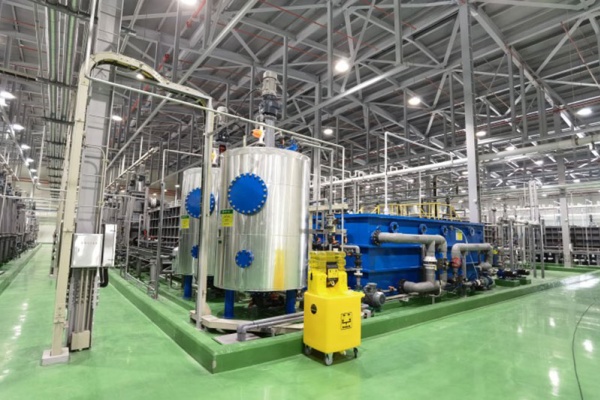
The recovery of materials from spent lithium-ion batteries is a complex engineering process. It requires not only chemical expertise, but also safe plant design, corrosion-resistant materials, and precise separation technology.
A typical route begins with prétraitement. Batteries are discharged and dismantled so they can be handled safely. Mechanical processing helps separate external materials such as aluminum, copper, plastics, and casing materials. The remaining active fraction, often called black mass, contains many of the most valuable battery metals.
After that, chemical recovery steps are used to selectively extract target metals. Among the most important methods are:
- Lixiviation – dissolving target metals into solution
- Extraction – selectively separating valuable metals from mixed solutions
- Crystallization and precipitation – producing usable metal salts or compounds
- Électrolyse – recovering specific metals in purified form
The goal is not only to recover metals in any form, but to obtain high-purity products that can re-enter battery-material manufacturing. This is especially important for nickel, cobalt, manganèseet lithium, which play central roles in modern EV battery chemistries.
5. Why Process Engineering Matters
Efficient battery recycling depends on more than just chemistry. It also depends on how the entire system is engineered.
A successful recovery plant needs:
- Proper process route design
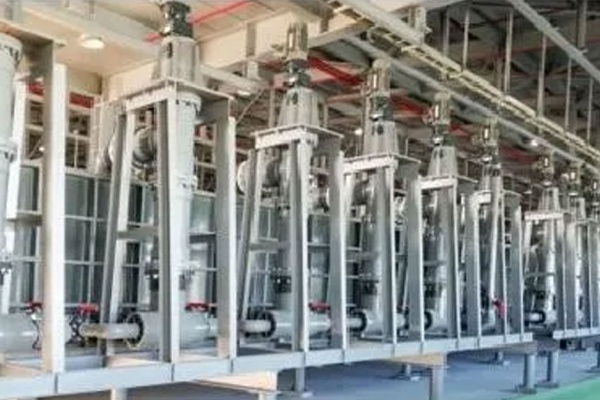
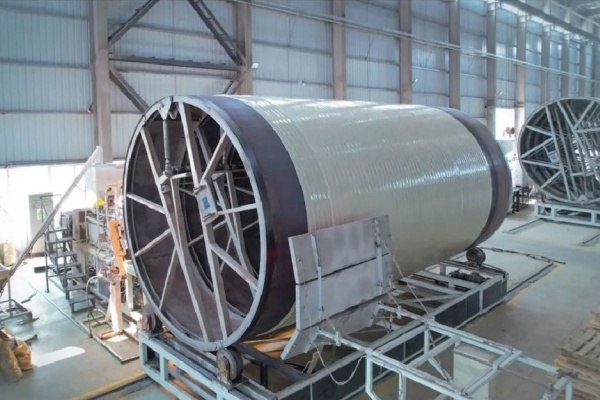
- Reliable extraction and separation equipment
- Corrosion-resistant material selection
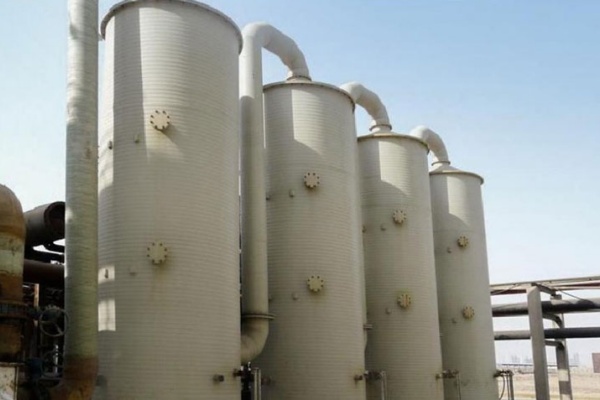
- Waste gas and wastewater treatment
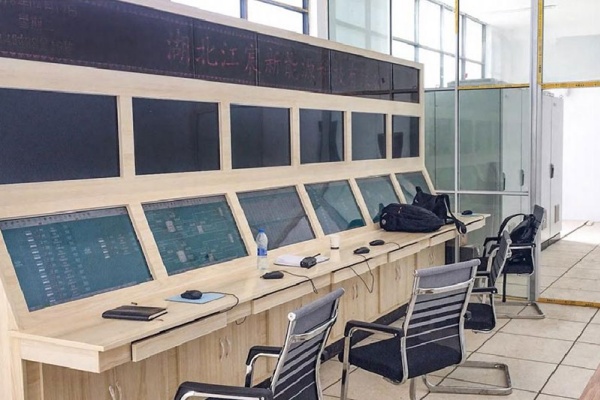
- Automation and operating stability
- Safe commissioning and training
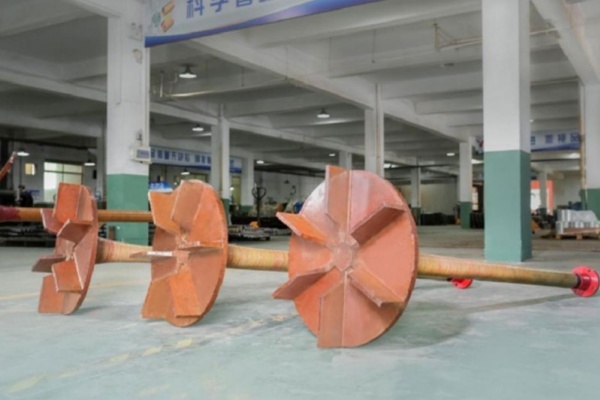
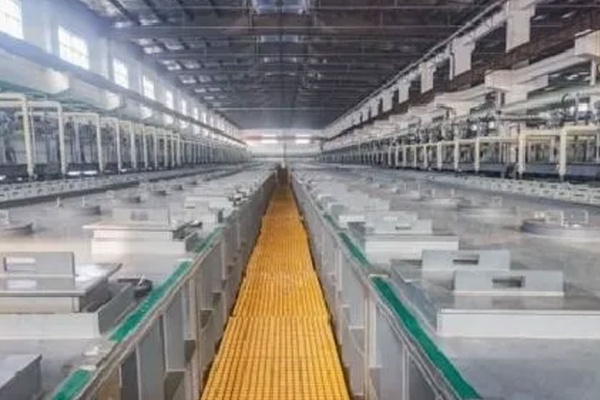
This is where integrated industrial solution providers become important. TYIC’s materials emphasize capabilities in conception du processus, fabrication d'équipements, installationet environmental system integration for battery recycling and hydrometallurgical applications. This kind of support is valuable because recycling plants must balance efficacité de la récupération, environmental complianceet long-term operating reliability.
Without strong engineering support, even a promising recovery process may struggle with low yields, unstable quality, or high operating costs. With the right design, however, dead batteries can become a steady source of reusable industrial value.
6. What the Future Looks Like
As electric vehicles continue to grow worldwide, the number of retired batteries will rise sharply. This means battery recycling will become an increasingly important part of the clean-energy economy.
In the future, the industry will likely combine three main approaches:
- Second-life utilization for batteries that still have useful capacity
- Advanced recycling for batteries that have reached true end of life
- Closed-loop material recovery for feeding recovered metals back into new battery production
This model helps create a more circular system in which yesterday’s EV batteries become tomorrow’s battery materials. That shift is essential for making electric mobility more sustainable at scale.
Dead EV batteries are not the end of the story. Through safe reuse, advanced recycling, and material recovery, they become valuable resources again.
 Français
  English
  Deutsch
  Português
  Español
  Italiano