
Lithium-ion battery recycling faces low recovery efficiency and compliance risks; poor systems cause pollution and profit loss. Integrated advanced solutions ensure sustainable, high-yield operations.
Lithium-ion battery recycling success depends on advanced process design, corrosion-resistant equipment, efficient extraction technology, environmental compliance, and reliable EPC execution. By integrating modular systems such as tubular mixing extractors, micro-interface oil removal units, and customized waste treatment solutions, companies can achieve higher metal recovery rates, reduced emissions, operational stability, and long-term profitability in global recycling markets.
Discover the eight critical factors that determine long-term competitiveness and operational excellence.
Índice
1️⃣ Advanced Process Design and Engineering Optimization
A successful recycling project begins with scientific process design and precise engineering calculation. Efficient recovery of nickel, cobalt, lithium, manganese, and copper requires optimized hydrometallurgical flows, strict impurity control, and stable phase separation.
Key advantages include:
-
✔️ Improved extraction selectivity
-
✔️ Reduced reagent consumption
-
✔️ Stable continuous operation
-
✔️ Higher overall recovery rates
Customized process simulation and pilot validation ensure the system adapts to different chemistries such as NCM, LFP, and high-nickel materials, supporting long-term scalability and flexibility.
2️⃣ High-Efficiency Extraction Technology
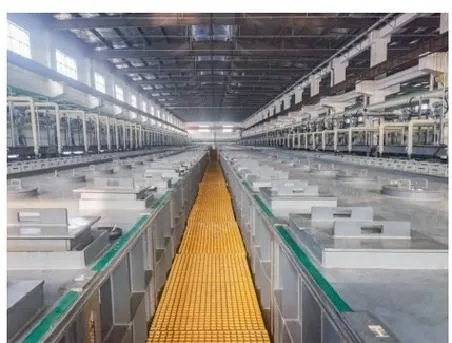
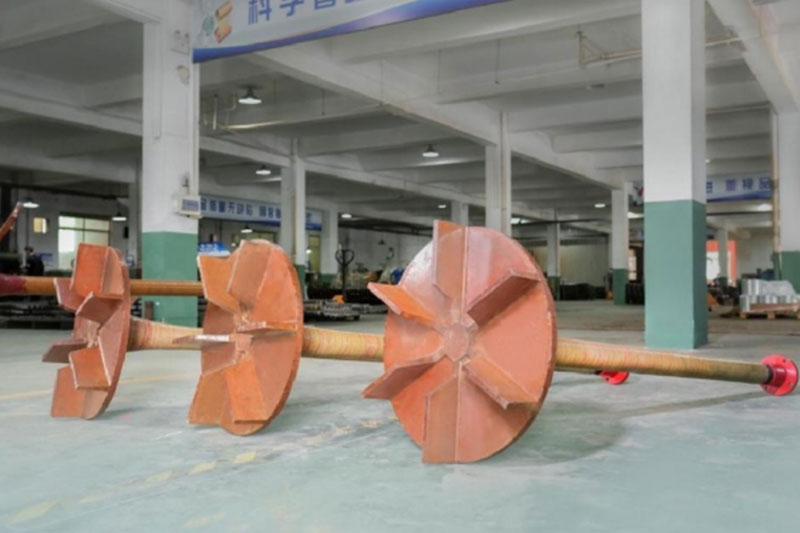
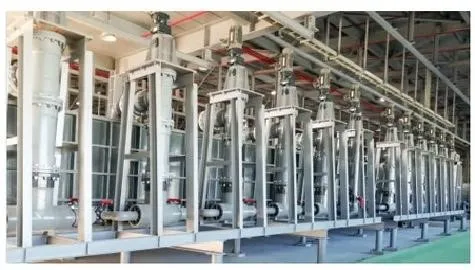
Metal separation efficiency directly determines profitability. Advanced tubular mixing extractors significantly enhance phase contact efficiency and accelerate mass transfer.
Compared with conventional mixer-settler systems, high-efficiency extraction systems offer:
-
✔️ Compact footprint
-
✔️ Faster equilibrium
-
✔️ Higher throughput
-
✔️ Reduced solvent loss
Stable extraction performance ensures consistent metal purity even when processing complex leach solutions with fluctuating impurity levels. This stability directly improves downstream crystallization and precipitation performance.
3️⃣ Corrosion-Resistant Materials and Equipment Durability
Lithium battery recycling involves acidic, high-temperature, and corrosive environments. Equipment reliability therefore becomes a decisive factor.
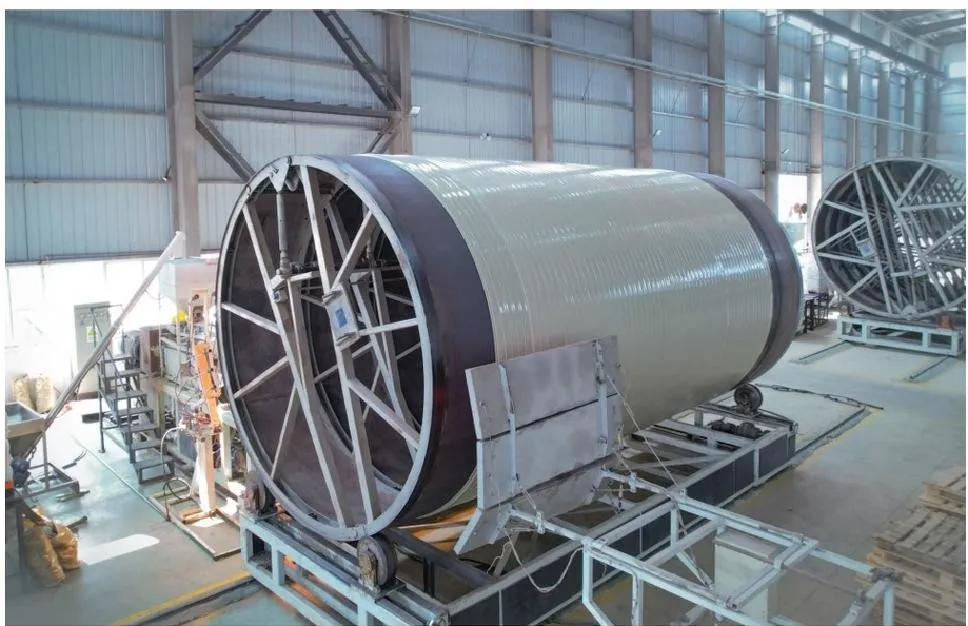
Utilizar PPH, HDPE, and corrosion-resistant composite materials significantly extends equipment lifespan and reduces maintenance downtime.
Core benefits include:
-
✔️ Prevention of leakage and structural degradation
-
✔️ Lower total cost of ownership
-
✔️ Improved operational safety
-
✔️ Compliance with international standards
Durable storage tanks, pipelines, and reactors ensure uninterrupted operation and long-term plant stability.
4️⃣ Integrated Waste Gas and Wastewater Treatment
Environmental compliance is non-negotiable in battery recycling operations.
Facilities must effectively treat:
-
⚠️ Acid mist
-
⚠️ Volatile organic compounds (VOCs)
-
⚠️ Heavy-metal wastewater
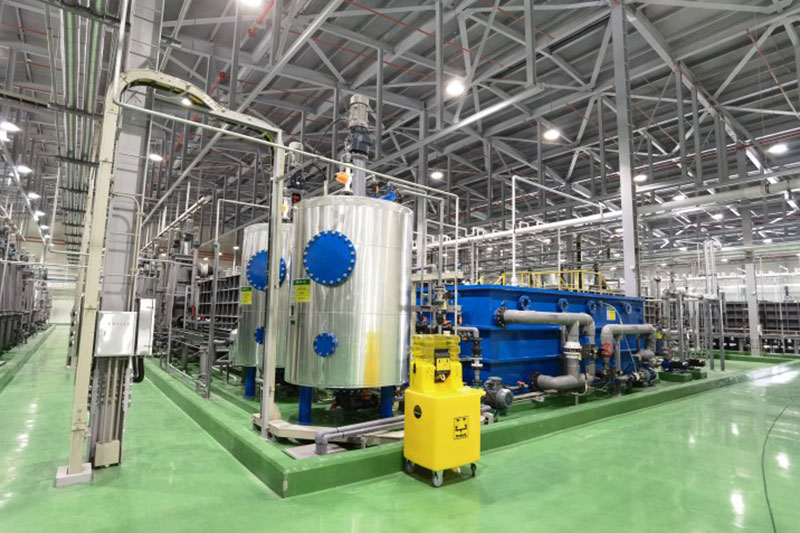
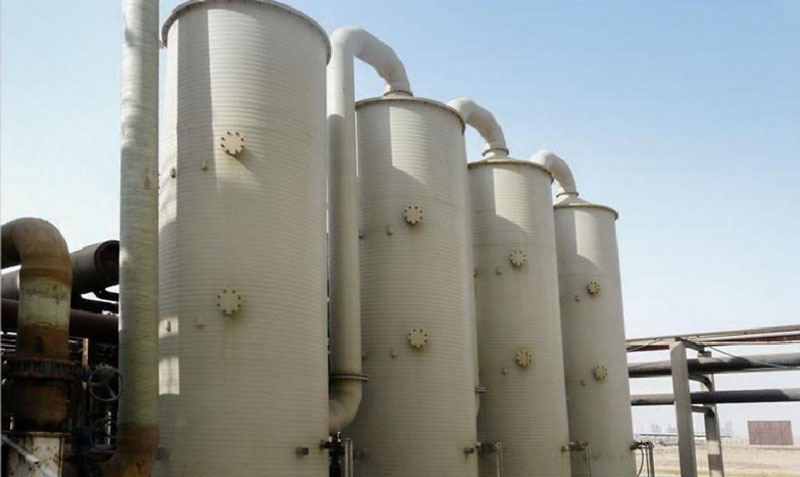
Integrated waste gas purification systems and advanced wastewater treatment technologies ensure emissions meet regulatory standards. Closed-loop water recycling systems further reduce resource consumption and operating costs.
A robust environmental protection system strengthens ESG performance and enhances global market credibility.
5️⃣ Modular and Scalable System Configuration
The rapid expansion of electric vehicles and energy storage systems demands scalable recycling capacity.
Modular system configuration enables:
-
✔️ Flexible capacity expansion
-
✔️ Shorter installation periods
-
✔️ Simplified maintenance
-
✔️ Lower investment risk
Standardized modules allow gradual production ramp-up without disrupting existing operations, ensuring alignment between capital expenditure and market growth.
6️⃣ Strong EPC Capability and Project Management
Professional Engineering, Procurement, and Construction (EPC) capability ensures smooth project execution from design to commissioning.
Comprehensive project management includes:
-
✔️ Process design integration
-
✔️ Equipment manufacturing control
-
✔️ Installation supervision
-
✔️ System commissioning and optimization
Strong EPC coordination reduces construction delays, prevents cost overruns, and ensures compliance with regional certification requirements for international projects.
7️⃣ Strict Quality Control and Certification Readiness
Global battery recycling enterprises must meet stringent quality and safety standards.
A comprehensive quality management system guarantees:
-
✔️ Equipment reliability
-
✔️ Process stability
-
✔️ Traceability and documentation
-
✔️ Inspection and testing compliance
International certification readiness builds trust with multinational clients and reduces supply chain risks. Reliable quality assurance strengthens long-term strategic partnerships in the clean energy sector.
8️⃣ Continuous Innovation and Technology Upgrading
The battery industry evolves rapidly. Sustainable competitiveness requires continuous R&D investment and technological upgrading.
Innovation areas include:
-
✔️ Intelligent automation systems
-
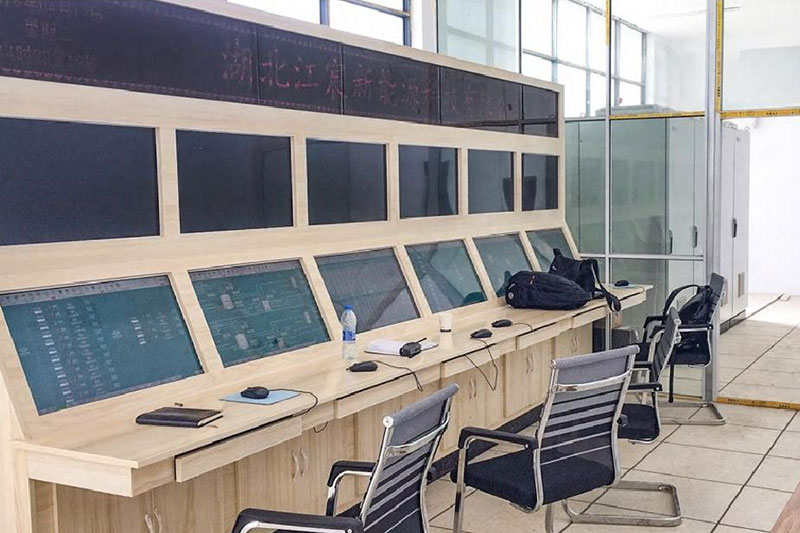
✔️ Digital process monitoring
-
✔️ Energy efficiency optimization
-
✔️ Improved metal recovery technologies
Ongoing technological advancement enhances recovery rates, reduces energy consumption, and secures leadership in high-value metal recycling markets.
🌍 Strategic Value in the Circular Economy
Lithium-ion battery recycling plays a crucial role in building a sustainable circular economy. Efficient recovery reduces reliance on primary mining, lowers carbon emissions, and supports global decarbonization goals.
By integrating advanced extraction systems, corrosion-resistant equipment, modular design, and environmental protection technologies, enterprises achieve both economic returns and environmental responsibility.
Sustainable lithium-ion battery recycling requires technology, durability, compliance, and innovation working together for long-term industrial success.
 Português
  English
  Deutsch
  Français
  Español
  Italiano