
⚠️ Uncontrolled exhaust gas from industrial tanks causes corrosion, safety risks, and regulatory violations; if ignored, it leads to shutdowns and losses—engineered exhaust gas systems solve this at the source.
✅ Industrial tanks eliminate exhaust gas by sealing emissions, guiding them through corrosion-resistant pipelines, and treating them with customized scrubbers or adsorption systems, ensuring safety, compliance, and stable production.
👉 To understand this clearly, it is necessary to break down how professional engineering turns exhaust gas from a hidden risk into a controllable system.
Índice
🔹 Exhaust gas challenges in modern industrial tanks
In reciclagem de pilhas de lítio, non-ferrous metal processinge chemical manufacturing, tanks continuously generate exhaust gas due to:
-
🌡️ Temperature fluctuations
-
🔄 Mixing and agitation
-
⚗️ Chemical reactions
-
📉 Liquid level changes
These gases often contain acid mist, alkaline vapors, ammonia, or metal-bearing fumes, which are:
-
Highly corrosive to steel structures
-
Harmful to operators
-
Strictly regulated by environmental authorities
❗ If not properly controlled, exhaust gas escapes through vents or gaps, causing long-term corrosion, safety incidents, and compliance risks. For modern industrial plants, exhaust gas control is no longer optional—it is a core engineering requirement.
🔹 Engineering philosophy behind exhaust gas removal
Professional exhaust gas management follows one clear principle: collect first, treat second.
Key engineering measures include:
-
🔒 Sealed tank structures to prevent uncontrolled leakage
-
🌬️ Dedicated vent nozzles to guide gas flow
-
⚖️ Stable pressure-balancing systems to protect tank integrity
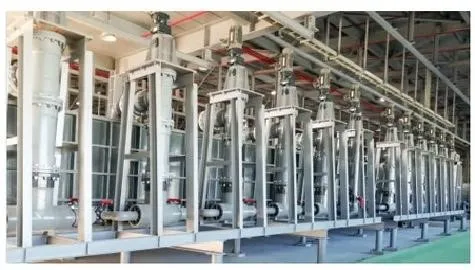
Once collected, exhaust gas is transported through corrosion-resistant pipelines to a centralized treatment unit. This system-level design ensures predictable airflow, safe operation, and compatibility with downstream treatment technologies.
🔹 Wet scrubbing as a core treatment technology
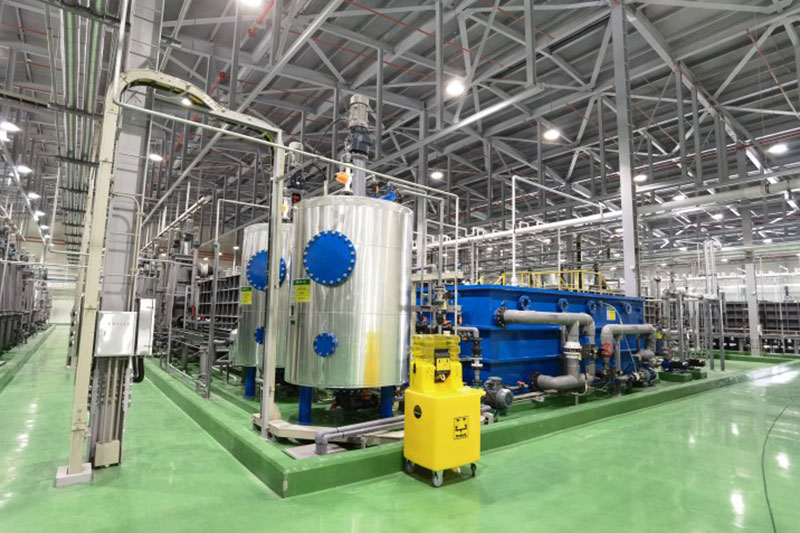
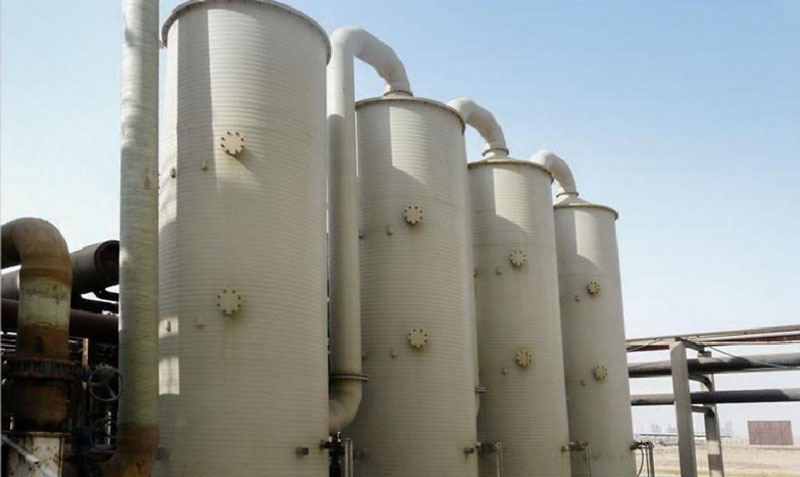
💧 Depuradores húmidos are widely used for treating tank exhaust gas, especially in new-energy and chemical industries.
Their advantages include:
-
Effective neutralization of acidic or alkaline gases
-
Stable performance under fluctuating conditions
-
Flexible adjustment of scrubbing liquid chemistry
In the scrubber tower, exhaust gas contacts circulating liquid, where harmful components are absorbed or neutralized before clean gas is discharged. This technology is especially suitable for battery material processing and metal refining applications.
🔹 Importance of corrosion-resistant materials
🛡️ Material selection determines system lifespan.
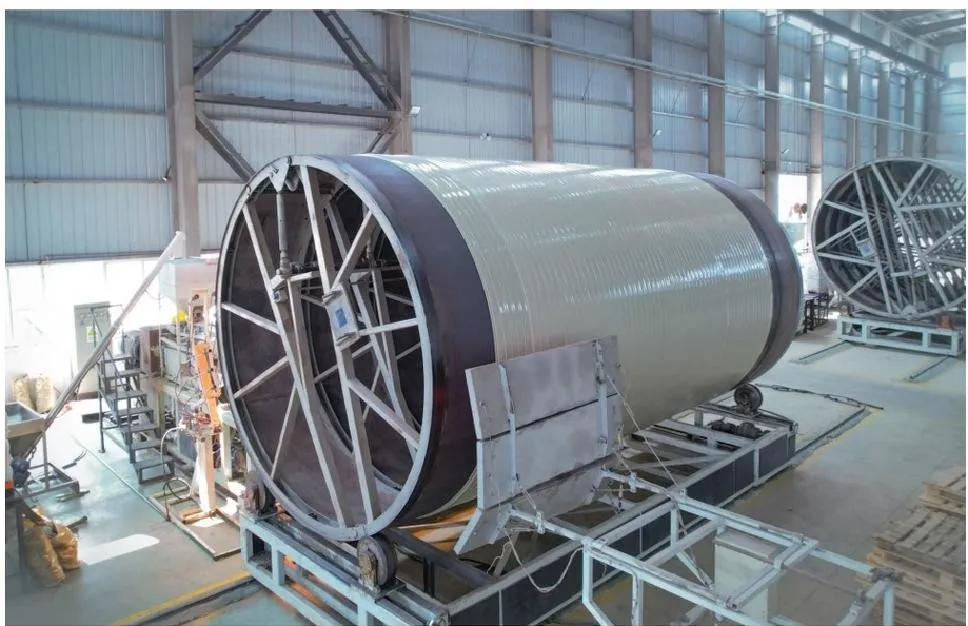
Standard carbon steel quickly degrades in corrosive exhaust gas environments. Therefore, systems commonly use:
-
PPH
-
PEAD
-
Other engineered corrosion-resistant plastics
These materials offer:
-
Long service life
-
Low maintenance requirements
-
Reliable performance under harsh chemical conditions
Choosing the right materials protects equipment and ensures continuous environmental compliance.
🔹 Customized solutions for complex processes
Every process produces different exhaust gas characteristics. Key variables include:
-
Gas composition
-
Concentration levels
-
Temperature and humidity
-
Operating rhythm
🚫 Standardized solutions often fail.
✅ Customized systems may include:
-
Multi-stage scrubbing
-
Mist elimination
-
Adsorption polishing
-
Integration with wastewater treatment
Customization ensures both technical effectiveness e long-term economic efficiency.
🔹 Integration with environmental protection systems
Modern exhaust gas treatment systems are integrated with:
-
♻️ Wastewater treatment units
-
📊 Automated monitoring systems
-
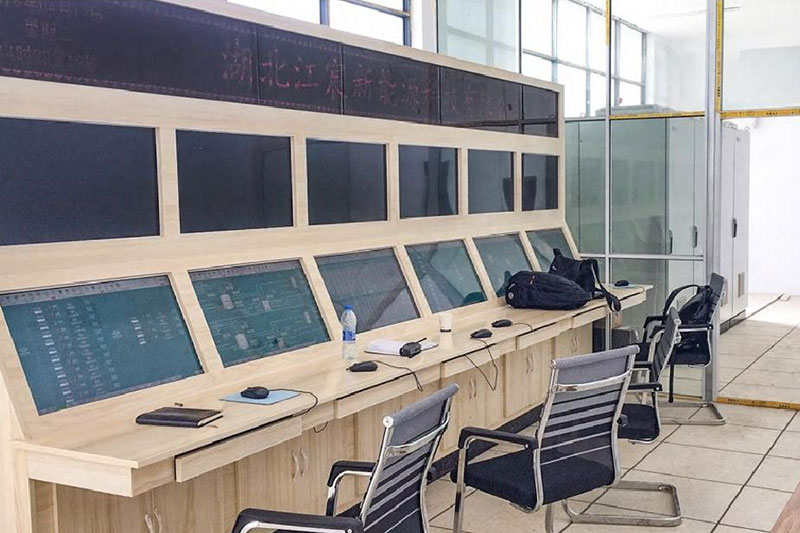
🖥️ Centralized control platforms
Sensors monitor pressure and flow in real time, ensuring stable tank operation and consistent compliance. This integrated design reduces installation complexity and improves overall reliability—especially in EPC projects.
🔹 Long-term value of professional exhaust gas management
🌱 Effective exhaust gas removal delivers lasting benefits:
-
Protects worker health
-
Extends equipment lifespan
-
Reduces maintenance costs
-
Prevents unplanned shutdowns
In new-energy and environmental industries, reliable exhaust gas control has become a key indicator of engineering capability and sustainable development.
✅ Well-designed tank exhaust gas systems ensure safety, compliance, and long-term stability for modern industrial production.
 Português
  English
  Deutsch
  Français
  Español
  Italiano