
Electric vehicle (EV) battery waste is growing rapidly, threatening ecosystems, straining landfill capacity, and causing hazardous runoff if not properly managed; serious resource loss and environmental damage follow if recycling lags.
Solution: Advanced EV battery recycling technology and comprehensive recycling solutions are key to unlocking material recovery, safety, and sustainability.
Electric vehicle battery recycling is essential to the sustainable growth of electrified transport. With growing EV adoption, recycling unlocking critical materials like lithium, cobalt, and nickel reduces environmental harm, lowers supply chain risks, and supports a circular economy. New technologies and integrated solutions improve recovery efficiency and drive economic and environmental benefits for industry and society.
Continue Reading: This article explores EV battery recycling’s future, relevant technologies, and complete recycling solutions transforming the industry.
Electric vehicles are rapidly transforming global transportation, yet the challenge of handling spent battery packs looms large. The growth of EV sales — driven by decarbonization, policy incentives, and consumer demand — means millions of lithium‑ion batteries are approaching end‑of‑life within this decade. Without effective recycling approaches, these batteries pose environmental risks, squander valuable materials, and increase reliance on primary mining. To sustain the momentum of clean mobility, robust recycling systems are no longer optional — they are critical. This comprehensive article examines the future of electric vehicle battery recycling, reviews state‑of‑the‑art recycling technologies and equipment, and discusses holistic recycling solutions that balance economic, environmental, and supply chain imperatives.
Índice
The Future of Electric Vehicle Battery Recycling
Electric vehicle battery recycling is transitioning from a nascent activity to an industrial imperative. As the volume of retired EV batteries escalates, so too does the urgency to refine recycling ecosystems. The future of EV battery recycling is shaped by several key trends:
1. Circular Economy Integration
Recycling must not simply dispose of waste — it must recover value. Modern battery recycling prioritizes reclaiming critical metals such as lithium, cobalt, nickel, manganese, and copper. These materials feed back into battery manufacture, reducing dependence on virgin mining and lowering supply chain risks. Circularity increases sustainability while stabilizing costs for battery producers.
2. Policy and Regulation Driving Adoption
Governments around the world are introducing regulations that mandate recycling and responsible battery end‑of‑life management. Extended Producer Responsibility (EPR) frameworks, recycling targets, and environmental compliance standards incentivize manufacturers and recyclers to invest in next‑generation recycling capabilities.
3. Collaboration Across the Value Chain
Battery manufacturers, EV OEMs, recyclers, and technology providers are forging partnerships to optimize collection, transportation, disassembly, and material refinement. Through shared data and aligned goals, stakeholders improve logistics and maximize material recovery rates.
4. Second Life and Repurposing Opportunities
Before reaching recycling streams, retired EV batteries with residual capacity are increasingly evaluated for second‑life applications such as energy storage for grid balancing or residential backup. This not only extends useful life but delays recycling until higher value extraction processes are economically viable.
These future directions collectively address environmental concerns, augment resource security, and build resilience into the electrification ecosystem.
Electric Vehicle Battery Recycling Technology and Equipment
High performance in battery recycling depends on an ecosystem of advanced technologies and specialized equipment. As recycling science evolves, several methodologies have emerged as industry standards or promising innovations:
1. Pyrometallurgical Processes
This high‑temperature approach recovers metals through smelting techniques. While effective for cobalt, nickel, and copper, it often results in lower lithium recovery and requires significant energy input. Pyrometallurgy remains a backbone technology due to its industrial maturity.
2. Hydrometallurgical Techniques
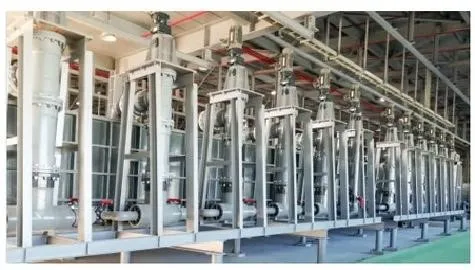
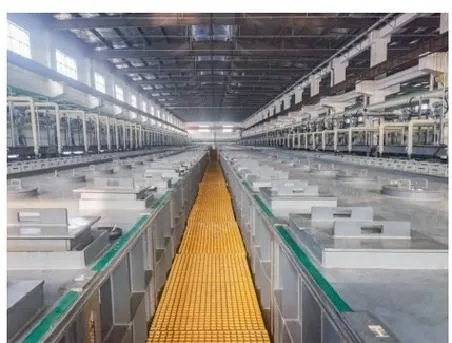
Often known as “leaching,” hydrometallurgy dissolves battery components in chemical solutions, allowing separation and recovery of target metals. This method is energy‐efficient and offers high recovery rates for lithium and other valuable elements. Continuous process optimization increases yield and reduces waste.
3. Mechanical Separation and Sorting
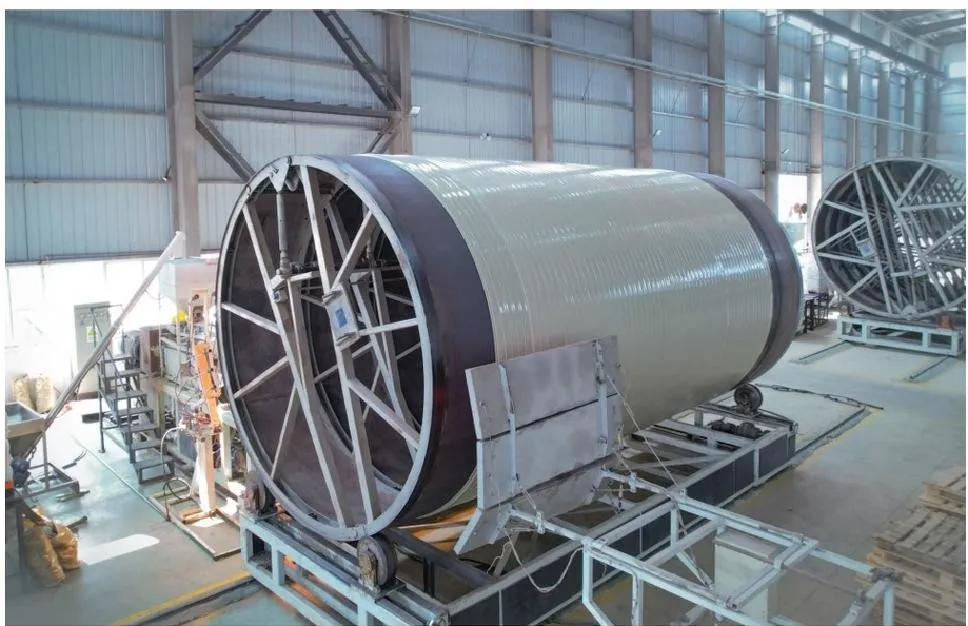
Crushing, shredding, and sorting equipment separate battery modules into constituent fractions — plastics, metals, and electrode materials. Advanced sensors, magnetic separators, and automated handlers improve both safety and throughput in initial processing stages.
4. Direct Recycling (Active Material Recovery)
Direct recycling focuses on preserving cathode and anode chemistry for reuse in new battery manufacture, reducing the need for re‑synthesis of materials. This emerging technology promises greater energy savings and a smaller environmental footprint, although commercial scale‑up remains underway.
5. Safety and Environmental Controls
Battery recycling equipment integrates safety systems for thermal runaway prevention, dust control, and effluent treatment. Proper ventilation, fire suppression, and hazardous material handling systems protect workers and ensure environmental compliance.
Investment in cutting‑edge equipment, automation, and data analytics enhances throughput, reduces costs, and elevates safety standards. Suppliers of recycling systems increasingly tailor solutions to client specifications, battery chemistries, and regulatory requirements.
Electric Vehicle Battery Recycling Solutions
Technology alone is not enough. Holistic EV battery recycling solutions encompass strategic frameworks that integrate infrastructure, logistics, and business models to enable scalable, economically viable recycling operations:
1. End‑to‑End Recycling Ecosystems
Complete solutions begin with robust collection networks that retrieve spent batteries from dealerships, repair centers, and consumers. Standardized transportation protocols ensure safe movement to recycling facilities. Once onsite, integrated technology chains transform batteries into reusable materials.
2. Customization for Battery Chemistry Variability
EV batteries vary widely in chemistry (e.g., NMC, LFP), size, and configuration. Effective recycling solutions adapt to this diversity through modular processing lines, flexible leaching recipes, and smart sorting systems that optimize material recovery for each battery type.
3. Data‑Driven Operations
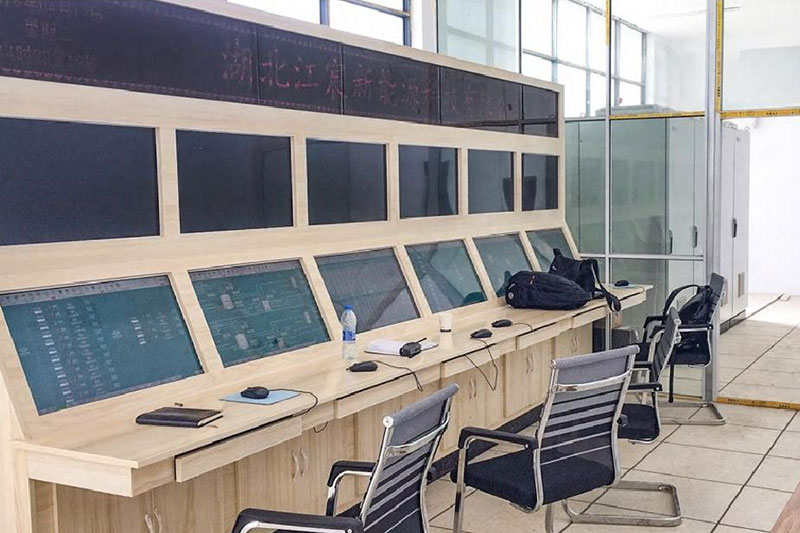
Digital tracking, AI analytics, and sensor integration improve forecasting, quality control, and yield optimization. By monitoring processing performance and material flows, recyclers refine operations over time and reduce downtime and waste.
4. Environmental and Regulatory Compliance
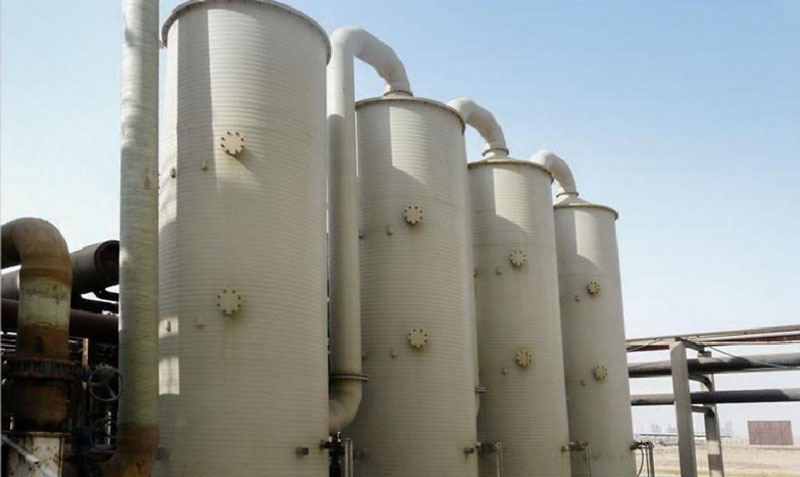
Strict adherence to environmental standards ensures that emissions, effluents, and residues are managed responsibly. Recycling solutions often include water treatment systems, waste gas scrubbers, and end‑of‑life residue handling plans that meet or exceed regulatory expectations.
5. Economic and Stakeholder Alignment
Partnerships with automakers, battery manufacturers, and government entities align economic incentives. Shared investment in recycling infrastructure de‑risks capital expenditure and spreads benefits across the battery supply chain.
Summary:
EV battery recycling will define the sustainability of electrified transport, with advanced technology and integrated solutions driving environmental, economic, and supply chain success.
 Português
  English
  Deutsch
  Français
  Español
  Italiano