
Millions of electric vehicle batteries will soon retire. Improper disposal risks toxic pollution and fire hazards. Advanced recycling and extraction technologies convert these batteries into valuable reusable resources.
Old electric car batteries rarely become waste. Most are reused, repurposed for energy storage, or recycled to recover valuable metals such as lithium, nickel, cobalt, and copper. Through advanced recycling technologies and industrial extraction systems, these materials re-enter the manufacturing supply chain, supporting a circular battery economy while reducing environmental impact and raw material demand.
Understanding what happens to retired EV batteries reveals how modern recycling technologies reshape the global energy supply chain.
Índice
🔋 The Lifecycle of an Electric Vehicle Battery
Electric vehicle (EV) batteries are designed for long operational lifetimes, typically lasting 8–15 years depending on usage conditions.
Even after they can no longer power vehicles efficiently, most batteries still retain 70–80% of their original capacity. At this stage, they are not waste, but valuable assets that can be reused or recycled.
The typical EV battery lifecycle includes:
🚗 Vehicle Use – The battery powers the electric car during its primary life.
🔍 Testing & Evaluation – Batteries are inspected once removed from vehicles.
🔁 Second-Life Applications – Batteries are reused in energy storage systems.
♻️ Recycling & Material Recovery – Valuable metals are extracted for reuse.
This lifecycle approach ensures maximum resource utilization and minimal environmental impact.
⚡ Second-Life Applications for Used EV Batteries
Before recycling, many EV batteries enter second-life energy storage systems because they still maintain substantial capacity.
☀️ Renewable Energy Storage
Used EV batteries can store electricity generated by solar and wind energy systems.
This allows excess renewable energy to be stored and released during peak demand, improving grid stability and energy efficiency.
🏭 Commercial and Industrial Backup Power
Companies and industrial facilities often repurpose EV batteries as backup energy systems.
Compared with diesel generators, these battery systems provide:
Lower emissions
Reduced operating costs
Improved sustainability
⚙️ Grid Stabilization
Power grids require energy buffers to maintain stable voltage and frequency.
Second-life EV batteries help provide grid balancing services, supporting large-scale electricity networks.
Second-life applications can extend battery usage by 5–10 additional years before recycling becomes necessary.
♻️ When Batteries Reach the Recycling Stage
Eventually, EV batteries degrade to a point where they can no longer serve secondary applications. At that stage, they enter the industrial recycling process.
Recycling focuses on recovering valuable metals such as:
Lítio
Níquel
Cobalto
Manganês
Copper
Aluminum
These materials are essential for manufacturing new lithium-ion batteries and advanced electronics.
Recovering them significantly reduces the need for environmentally intensive mining operations.
However, extracting these materials requires advanced industrial technology and precise chemical processes.
🏭 The Main Technologies Used in Battery Recycling
Modern lithium battery recycling typically combines multiple industrial processes to maximize metal recovery efficiency.
🔧 Mechanical Pretreatment
The first step involves safe dismantling and shredding of battery modules.
Mechanical processes separate:
Plastics
Aluminum foils
Copper components
Active electrode materials
Specialized equipment is required to prevent thermal reactions, dust hazards, and chemical exposure during processing.
⚗️ Hydrometallurgical Extraction
Hydrometallurgy is one of the most efficient methods for recovering valuable battery metals.
This process uses chemical solutions to dissolve and selectively extract metals such as:
Lítio
Cobalto
Níquel
Advanced extraction technologies improve:
Metal recovery rates
Process efficiency
Chemical consumption control
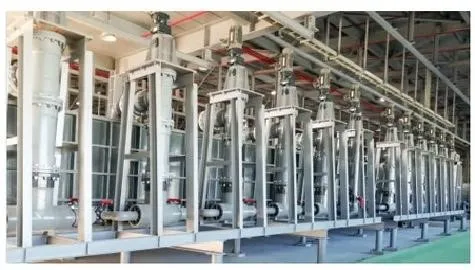
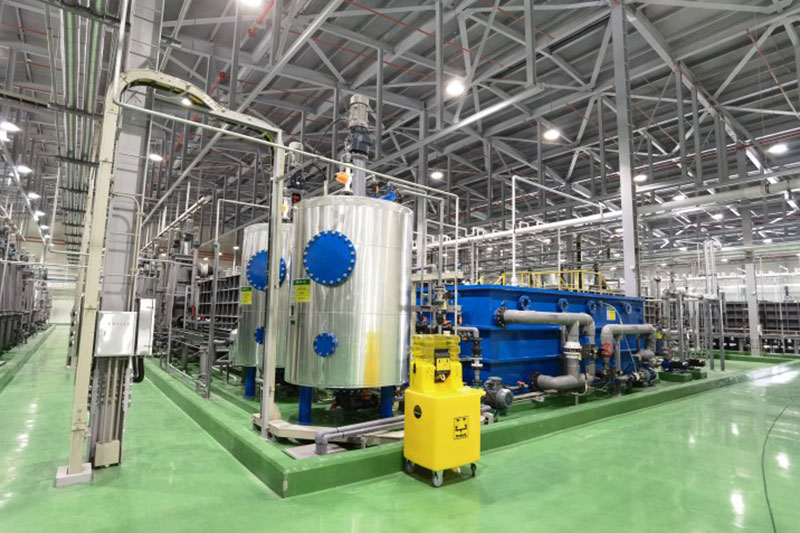
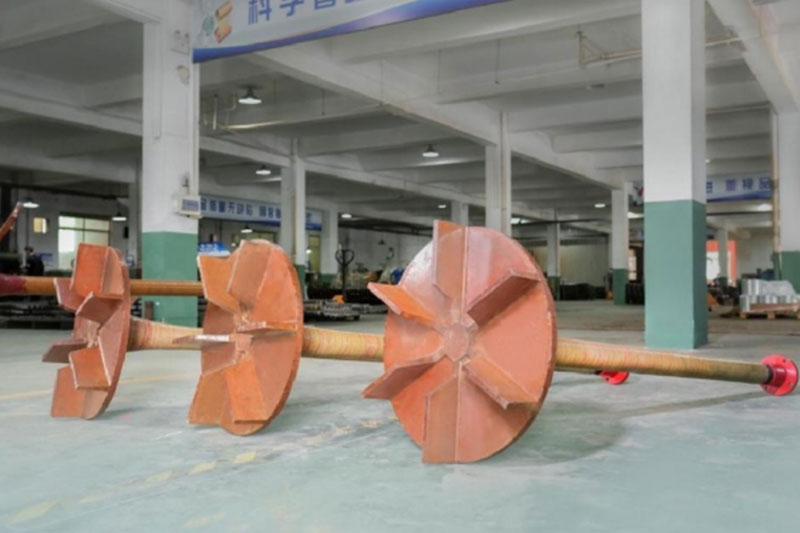
Industrial systems such as tubular mixing extractors e micro-interface extraction systems enable precise liquid-liquid phase mixing, allowing high-efficiency separation of metals in recycling plants.
These technologies offer several advantages:
✔ Continuous processing capability
✔ Higher extraction efficiency
✔ Lower operational costs
✔ Improved environmental performance
🔥 Pyrometallurgical Processing
Another recycling approach involves high-temperature smelting, where battery materials are melted to recover metals such as:
Níquel
Cobalto
Copper
While this method is effective, it typically requires higher energy consumption and may lose some lithium during processing.
As a result, many modern recycling plants combine thermal processing with hydrometallurgical extraction to maximize overall recovery rates.
🌍 Environmental Benefits of Battery Recycling
Recycling electric vehicle batteries provides several major environmental advantages.
⛏ Reduced Mining Pressure
Recycling valuable metals reduces the need for new mining operations, helping conserve natural resources and ecosystems.
🌱 Lower Carbon Emissions
Producing metals from recycled batteries generally requires significantly less energy than mining and refining raw ore.
This helps reduce greenhouse gas emissions across the battery supply chain.
🚯 Waste and Pollution Reduction
Without proper recycling systems, discarded lithium batteries could release hazardous chemicals and heavy metals.
Industrial recycling prevents these materials from entering landfills or the environment.
🏗 The Importance of Advanced Industrial Equipment
Efficient battery recycling depends on specialized industrial systems and process engineering.
Modern recycling facilities typically include:
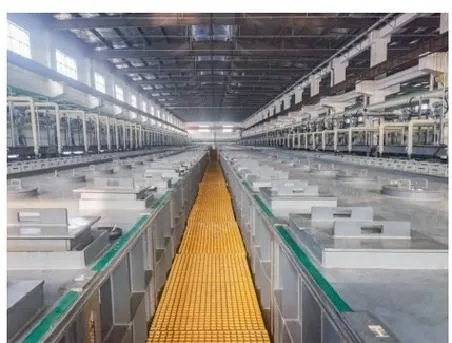
Material shredding and separation systems
Liquid-liquid extraction equipment
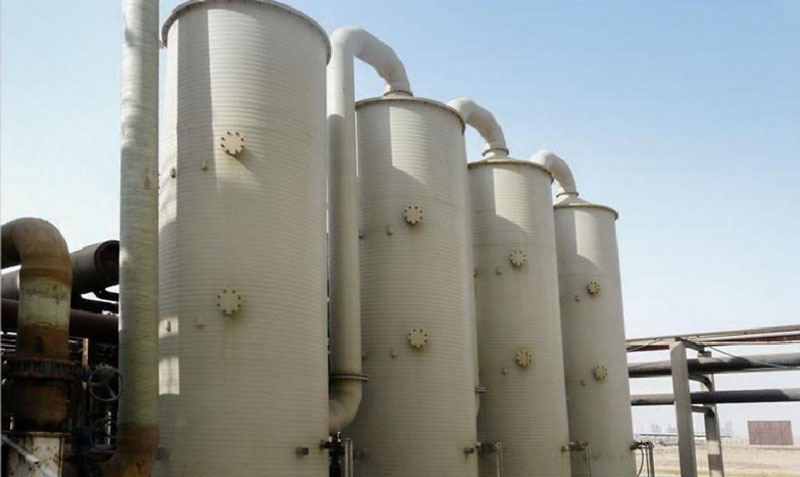
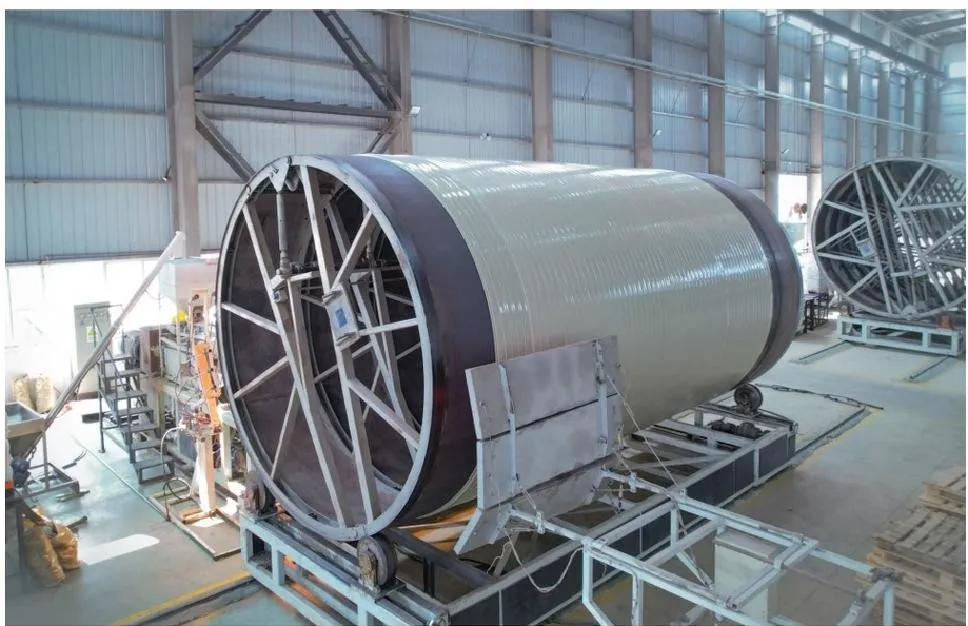
Corrosion-resistant chemical storage tanks
Waste gas and wastewater treatment systems
For example, PPH and HDPE corrosion-resistant tanks are commonly used to store acidic extraction solutions.
At the same time, precision extraction systems ensure efficient separation of valuable metals from complex battery materials.
Proper engineering design and equipment selection are critical for achieving:
✔ High metal recovery rates
✔ Operational safety
✔ Environmental compliance
🚀 The Future of EV Battery Recycling
As electric vehicle adoption continues to grow globally, battery recycling will become a critical industrial sector.
Millions of EV batteries are expected to reach end-of-life over the next decade, driving demand for:
Advanced metal extraction technologies
High-efficiency recycling equipment
Environmental protection systems
Integrated recycling facilities
Governments and manufacturers are also implementing circular economy policies, encouraging higher recycling rates and sustainable resource management.
These developments transform old electric vehicle batteries from a waste challenge into a valuable resource stream.
Old EV batteries are reused, repurposed, and recycled, enabling valuable metals to re-enter production and supporting a sustainable circular battery economy.
 Português
  English
  Deutsch
  Français
  Español
  Italiano