
The number of spent batteries is growing rapidly. If the recycling line is not properly designed, it may lead to low metal recovery rates, high operating risks, and increased environmental pressure. A well-designed lithium battery recycling line can solve these problems efficiently.
Table of Contents
What Is a Lithium Battery Recycling Line?
A lithium battery recycling line is a complete system used to process spent lithium-ion batteries and convert them into reusable metal resources. It helps companies recover lithium, nickel, cobalt, and other valuable metals in a stable, efficient, and environmentally friendly way. For industrial buyers, an ideal recycling line should offer safety, recovery efficiency, automation, durability, and environmental support capabilities.
Why This Topic Matters
Choosing the right recycling line is not only about capacity. It is also important to focus on long-term operational stability, product quality, and overall plant efficiency.
With the rapid growth of electric vehicles, energy storage systems, and consumer electronics, the number of retired lithium batteries is increasing year by year. These batteries are no longer seen only as waste, but as important secondary resources that can yield a variety of high-value metals.
For this reason, the lithium battery recycling industry is moving toward larger-scale, smarter, and more integrated systems. By 2026, industrial buyers will pay attention not only to output, but also to recovery rates, process stability, safety performance, and environmental compliance.
Main Processes of a Lithium Battery Recycling Line
A modern lithium battery recycling line usually includes the following process stages:
- Battery receiving and sorting
- Discharging and dismantling
- Crushing and material separation
- Leaching and extraction
- Purification and metal recovery
- Waste gas and wastewater treatment
The specific process route depends on several factors, such as:
- Battery chemistry
- Raw material composition
- Capacity requirements
- Target product type
This also means that the most suitable recycling line for a customer is not necessarily the largest one, but the one that best matches actual production needs.
The Real Challenge: Stable Operation
For many operators, the key challenge is not simply building a recycling line, but ensuring that the line can run continuously, stably, and smoothly in daily production.
Some systems may appear advanced, but in real operation they may still face the following problems:
- Poor coordination between equipment
- Unstable process flow
- Difficult maintenance
- Severe corrosion in chemical environments
- Fluctuating recovery performance
These problems can lead to increased downtime, higher operating costs, and reduced value of the final recovered products.
Why Integrated Engineering Design Matters
This is why integrated engineering design is so important. A high-quality recycling line should not be regarded as a simple combination of separate machines, but as one complete production system.
This includes:
- Process route design
- Equipment layout planning
- Material transfer arrangement
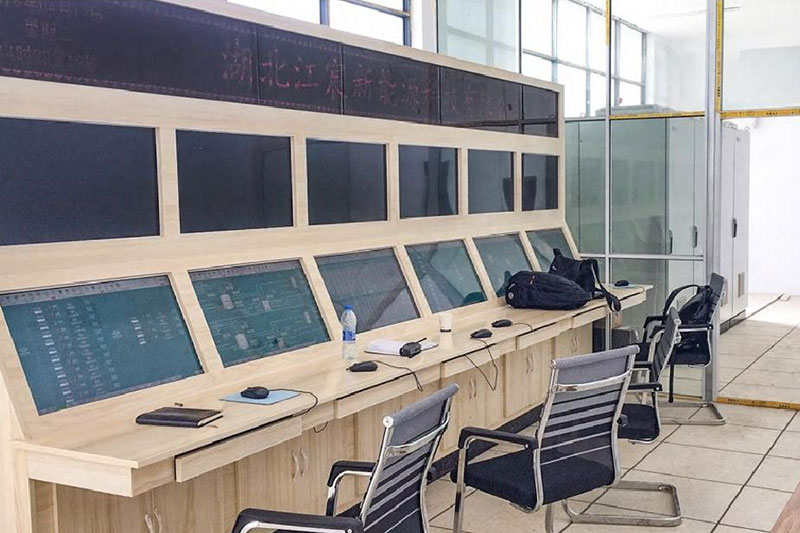
- Automation integration
- Coordinated environmental treatment design
Only when all parts of the line work together can the plant achieve better efficiency, safety, and operational control.
TYIC’s Solution Approach for Lithium Battery Recycling Lines
TYIC focuses on providing customized and integrated solutions for industrial recycling projects. The company can provide system design support for customers based on the following factors:
- Site conditions
- Raw material characteristics
- Capacity targets
- Product quality requirements
This approach helps customers build a recycling line that is not only technically feasible, but also suitable for long-term industrial operation.
By 2026, Flexibility Will Become a Key Requirement
By 2026, flexibility will become one of the most important features of a lithium battery recycling line.
Why? Because battery feed materials are often not uniform.
For example, one plant may process:
- Retired power batteries
- Battery production scrap
- Energy storage battery waste
- Mixed lithium battery materials
Materials from different sources may behave very differently during the recycling process. This requires the recycling line to remain stable even when feed conditions change, without affecting overall performance.
A flexible system should have the following capabilities:
- Stable process control
- Adjustable operating parameters
- Reliable product quality
- Room for future capacity expansion
This is especially important for customers who want to produce battery-grade materials rather than only intermediate products.
Equipment Durability Also Affects Profitability
Another important factor is equipment durability.
Lithium battery recycling usually involves acidic liquids, corrosive chemical media, and continuous operating conditions. If the equipment cannot adapt to these conditions, the plant may face:
- Frequent maintenance
- Higher replacement costs
- Unexpected shutdowns
- Reduced production efficiency
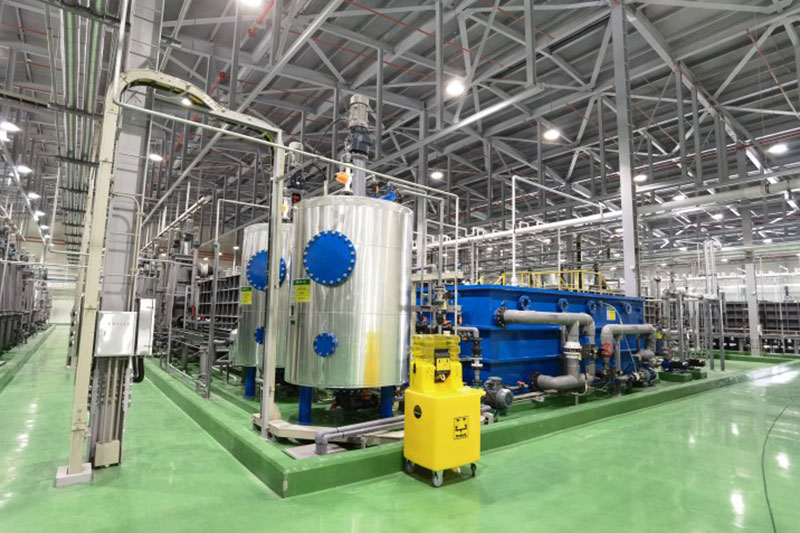
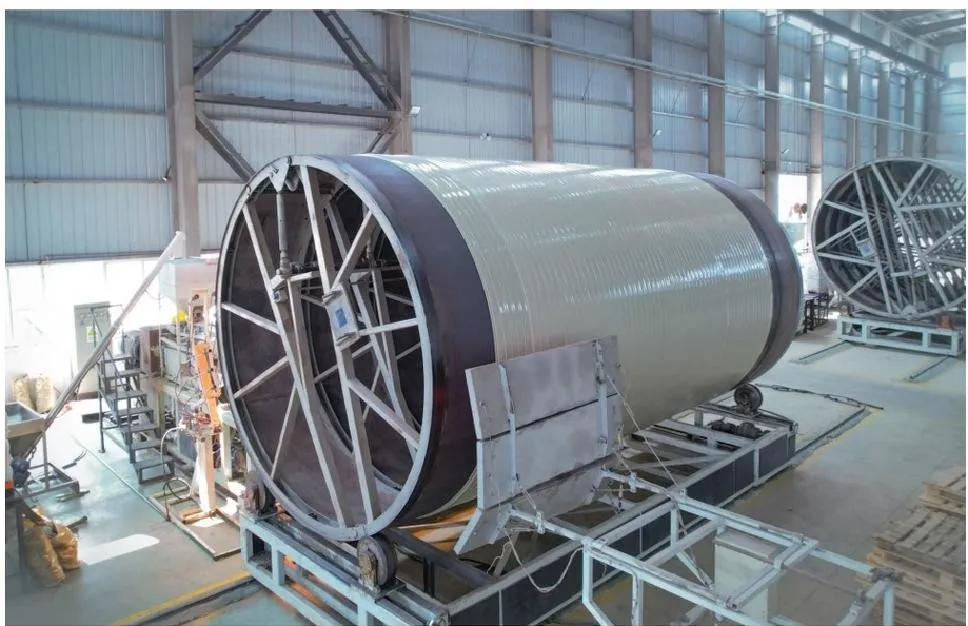
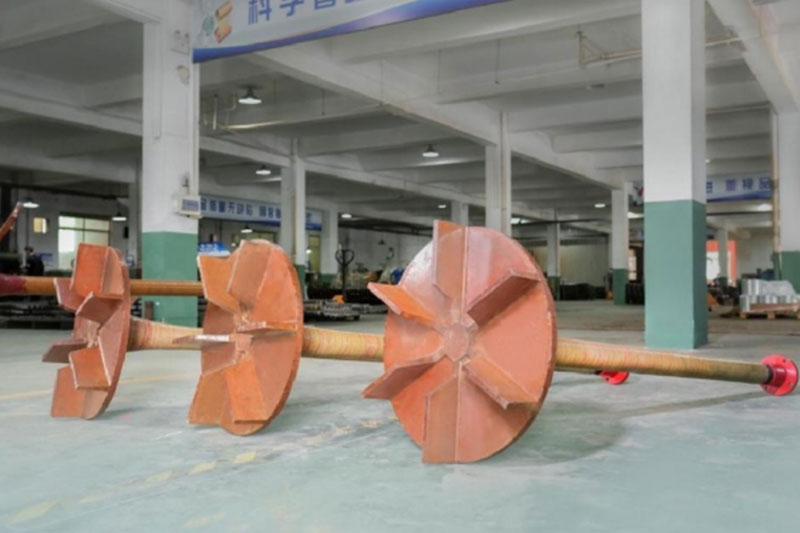
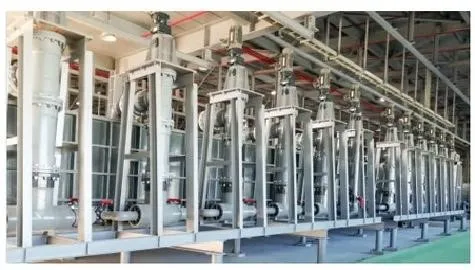
TYIC can provide the following products:
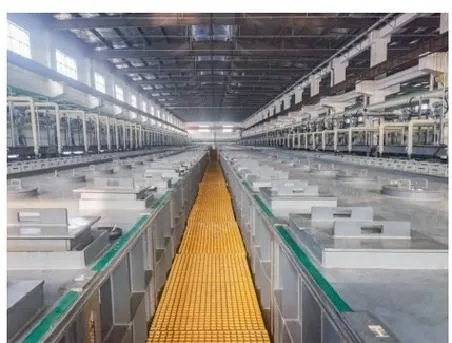
- Extraction equipment
- Mixing equipment
- Corrosion-resistant storage tanks
- Plastic sheets
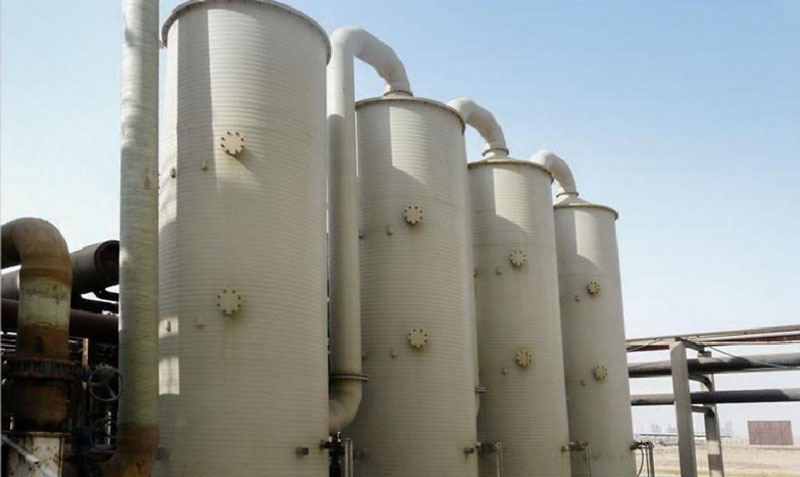
- Waste gas and wastewater treatment systems
These products are suitable for industrial environments with high requirements for corrosion resistance, structural reliability, and process compatibility.
Environmental Systems Must Be Part of the Line
A lithium battery recycling line must not only recover metals, but also properly handle various emissions.
A competitive plant should have the following environmental support capabilities:
- Wastewater treatment
- Waste gas treatment
- Acid mist control
- Safe material handling
If the environmental system is weak, the project may face compliance risks, rising treatment costs, or approval delays.
Therefore, environmental equipment should not be seen as an optional add-on, but as a core part of the recycling line.
Turnkey Capability Creates Greater Value
What many industrial customers need is not just equipment supply, but also:
- Process design
- Engineering drawings and documents
- Automation planning
- Installation support
- Commissioning assistance
TYIC can provide design, manufacturing, and installation support, helping customers reduce the pressure of coordinating multiple suppliers and improve project execution quality.
This one-stop service capability is especially important for large-scale projects, overseas projects, and customers with strict delivery requirements.
Conclusion
An excellent lithium battery recycling line should offer stable recovery, durable equipment, flexible operation, and strong environmental performance, truly turning spent batteries into long-term industrial value.
 English
  Deutsch
  Français
  Português
  Español
  Italiano