
Limited mobility, space restrictions, and rising costs can stall industrial storage solutions—horizontal storage tanks solve these challenges with smarter, scalable design and unmatched operational ease.
Horizontal storage tanks are cylindrical, ground-mounted vessels that offer superior accessibility, simplified transport, and adaptability in various sectors—from chemical processing to agriculture and fuel distribution.
Discover how these tanks streamline both logistics and operations.
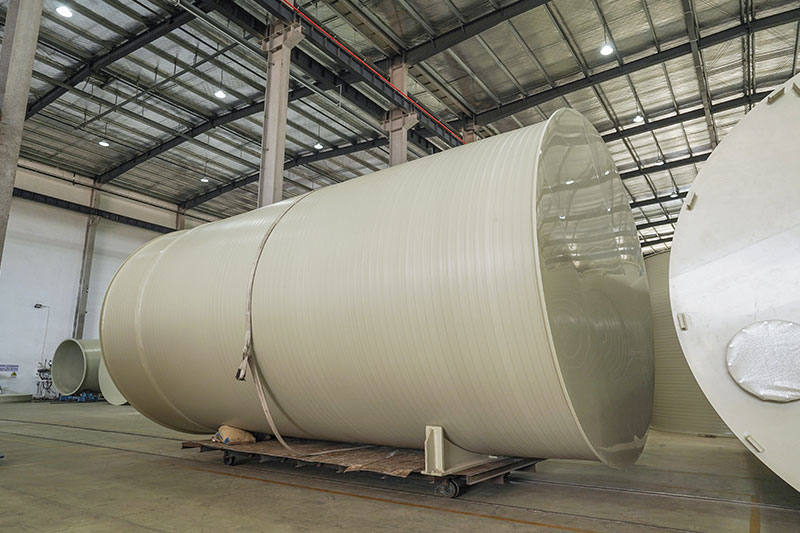
Table of Contents
Easy Mobility And Transportation
One of the standout advantages of horizontal storage tanks is their exceptional mobility. Because of their low profile and stable base, they are easy to load, transport, and relocate using standard equipment such as forklifts or flatbed trailers. This is especially useful for industries that require frequent relocation of storage units, including construction, oil and gas exploration, agriculture, and disaster relief services.
The cylindrical structure ensures even weight distribution, reducing stress points and minimizing the risk of shifting during transit. Many horizontal storage tanks come equipped with built-in lifting lugs, forklift skids, or cradles, enabling hassle-free movement and installation.
Compared to vertical tanks that often require special permits or escorts during transport due to height, horizontal storage tanks can pass through tunnels and under bridges more easily, which simplifies route planning and saves on freight costs. In mobile operations or remote setups, where transportation logistics can be a bottleneck, horizontal tanks deliver consistent and dependable performance without disruption.
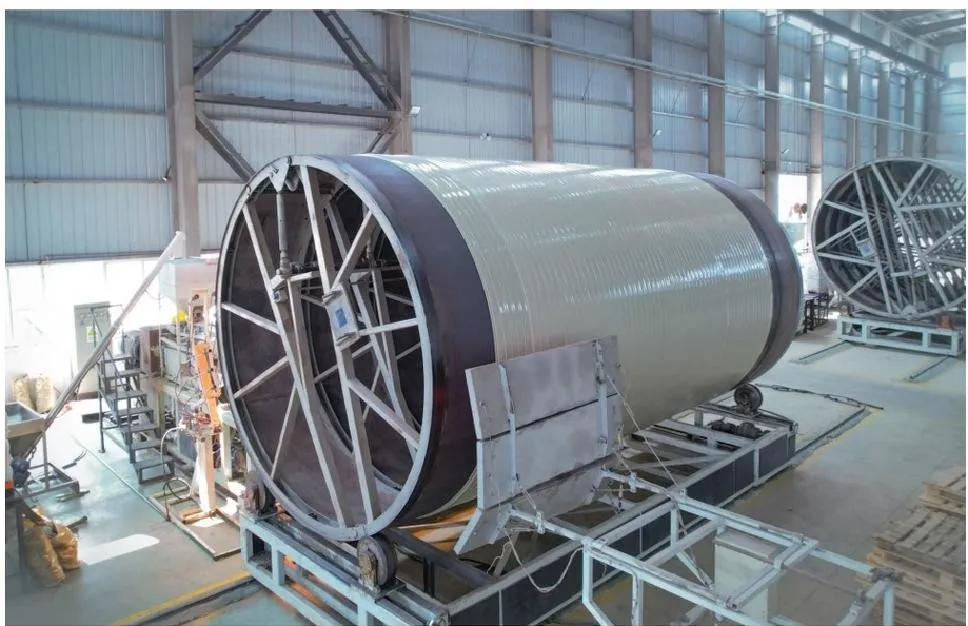
TYIC NEW ENERGY engineers its horizontal storage tanks with reinforced thermoplastic structures that are lightweight yet robust, offering outstanding strength-to-weight ratios for safer and more efficient transport. Whether you’re relocating between sites or managing seasonal storage needs, these tanks bring ultimate flexibility.
Height Is No Longer A Factor
In environments where vertical clearance is constrained—such as under machinery platforms, inside containment berms, or within basement-level utility rooms—horizontal storage tanks offer a significant spatial advantage. Their compact, low-profile design allows them to be installed in areas where vertical storage tanks would be unfeasible.
Unlike vertical tanks that require tall ceilings or outdoor mounting, horizontal storage tanks can be placed beneath structures, maximizing overhead space and keeping storage systems neatly integrated into existing layouts. This makes them highly suitable for industrial facilities, municipal treatment plants, or backup generator systems that need concealed or protected fluid storage.
Furthermore, their low stature improves safety by reducing fall hazards. Workers can perform inspections, maintenance, and refills from ground level without ladders or elevated platforms. This accessibility lowers the likelihood of work-related accidents, making horizontal tanks a safer choice in confined or congested workspaces.
TYIC NEW ENERGY’s horizontal designs are specifically tailored to optimize both form factor and fluid capacity, ensuring customers can achieve volume goals even in spatially restricted environments. When height is an issue, horizontal storage tanks prove to be the perfect fit.
Temperature Control
Maintaining precise temperature in stored liquids is vital, particularly in industries like food processing, pharmaceuticals, and specialty chemicals. Horizontal storage tanks, with their wide and shallow surface area, provide enhanced heat transfer characteristics, improving thermal management whether through insulation, external heaters, or internal coils.
The broad surface area enables more even distribution of heat or cold, reducing thermal stratification and ensuring the contents maintain a uniform temperature. This is especially important for chemicals that degrade or react when exposed to temperature fluctuations.
Many horizontal tanks can be equipped with heating jackets, immersion coils, or insulation cladding to support both hot and cold processes. The accessible layout of these tanks simplifies installation and servicing of thermal components, which can be costly and complex in tall vertical tanks.
TYIC NEW ENERGY offers custom thermal integration, including sensor-based automated temperature control systems that enable real-time monitoring. These systems ensure that even in challenging environmental conditions, your stored materials remain stable, safe, and compliant with regulatory standards. For any temperature-sensitive application, horizontal storage tanks deliver greater consistency and ease of control.
Less Personnel Needed
Efficiency in manpower is a growing concern across all industries, especially in remote or labor-scarce locations. Horizontal storage tanks help reduce staffing requirements through simplified setup, inspection, and operation.
Their ground-level accessibility allows one or two workers to handle installation and maintenance without scaffolding or specialized lifting equipment. Valves, gauges, and sampling ports are positioned at reachable heights, minimizing the need for safety harnesses or elevated work platforms.
Routine tasks such as fluid level monitoring, drainage, and cleaning can be completed quickly and safely by fewer personnel. In emergency scenarios, rapid access to tank outlets and safety controls further enhances response speed and reduces risk.
TYIC NEW ENERGY designs its horizontal storage tanks with user-focused ergonomics—leveraging integrated handles, non-slip access points, and visual indicators to improve safety and usability. For operations seeking to reduce overhead costs and improve response time, horizontal tanks are a smart and scalable solution.
Efficient And Cost Effective
Horizontal storage tanks are a cost-effective alternative to vertical counterparts, both in terms of upfront investment and ongoing operation. Their ease of transport and installation leads to lower initial setup costs. There’s no need for specialized concrete pads or reinforced foundations, which are often necessary for tall vertical units.
Because these tanks can be nested or lined up side-by-side, piping configurations become simpler and shorter. This reduces the cost of valves, pumps, and plumbing materials. It also lowers energy consumption, since shorter distances mean less friction loss during fluid transfer.
Horizontal tanks are often easier to inspect and maintain, resulting in fewer shutdowns and longer service intervals. TYIC NEW ENERGY’s horizontal storage tanks are designed for longevity, using corrosion-resistant polymers and UV-stable finishes to withstand harsh environmental conditions.
From chemical storage to potable water systems, fuel reserves to wastewater management, horizontal storage tanks present an efficient and economically sound option. With a lower total cost of ownership and high adaptability, they meet modern industry needs without overextending the budget.
Summary
TYIC NEW ENERGY’s horizontal storage tanks combine flexibility, safety, and affordability—making them the ideal choice for modern fluid storage.
 English
  Deutsch
  Français
  Português
  Español
  Italiano