
Volatile mineral supply chains can disrupt battery production and raise costs. Battery recycling reduces these risks by recovering critical metals and creating more resilient secondary supply.
Critical mineral security through battery recycling means recovering lithium, nickel, cobalt, manganese, and other valuable metals from retired batteries for reuse. An integrated recycling system can diversify raw-material sources, reduce dependence on primary mining, improve resource efficiency, and strengthen the resilience of the battery-material supply chain.
Understanding this security value requires examining how recycling connects material recovery, separation technology, environmental control, and engineering integration.
Índice
Why Critical Mineral Security Matters
Battery supply chains depend heavily on minerals that are geographically concentrated and technically demanding to process.
For producers of:
- Materiales catódicos
- Battery precursors
- Electric vehicle batteries
- Sistemas de almacenamiento de energía
supply security involves more than simply purchasing sufficient raw materials.
It also requires stable access to recoverable metal resources, reliable processing capacity, consistent product quality, and efficient material circulation.
Battery recycling introduces an additional source of critical minerals through:
- End-of-life lithium-ion batteries
- Battery manufacturing scrap
- Intermediate battery materials
- Other secondary metal-containing resources
When collection, pretreatment, hydrometallurgical recovery, purification, and product preparation are properly integrated, recovered materials can re-enter the battery supply chain.
This creates a secondary resource channel that complements conventional mining and refining.
Recycling does not completely replace primary mineral extraction. Instead, it improves supply diversity by adding another dependable source of strategic materials.
From Retired Batteries to Recoverable Metals
For retired ternary lithium-ion batteries, a typical recovery process may include:
- Battery disassembly and crushing
- Roasting or pretreatment
- Lixiviación
- Extracción con disolventes
- Evaporación y cristalización o electroobtención
- Precipitation and product preparation
The objective is to separate valuable metals and convert them into forms suitable for further refining or battery-material production.
Among these steps, hydrometallurgical separation is particularly important.
Leach solutions may contain multiple metal ions, including:
- Níquel
- Cobalto
- Manganeso
- Litio
- Cobre
- Other impurity elements
Efficient recovery therefore depends on appropriate process chemistry, extraction stages, phase ratios, residence time, operating conditions, and downstream purification.
TYIC develops process and equipment solutions for ternary battery recycling, nickel-cobalt intermediate products, and selected rare-metal recovery applications.
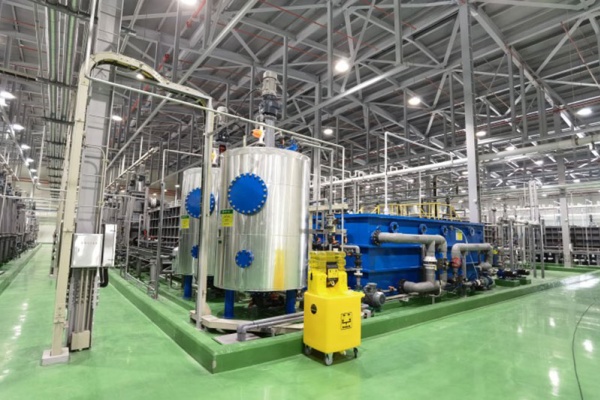
Its engineering scope can include process-route design, equipment selection, workshop layout, pipeline planning, electrical automation, commissioning support, and operator training.
Solvent Extraction Enables Selective Metal Separation
Solvent extraction is a core separation technology in many hydrometallurgical recycling processes.
The principle is based on differences in the chemical behavior of metal ions between aqueous and organic phases. Proper extraction conditions allow target metals to be selectively transferred, separated, purified, and recovered.
However, separation performance depends on more than extractant chemistry.
Industrial operation is also influenced by:
- Mixing intensity
- Mass-transfer efficiency
- Residence time
- Separación de fases
- Organic entrainment
- Equipment footprint
- Consumo de energía
- Resistencia a la corrosión
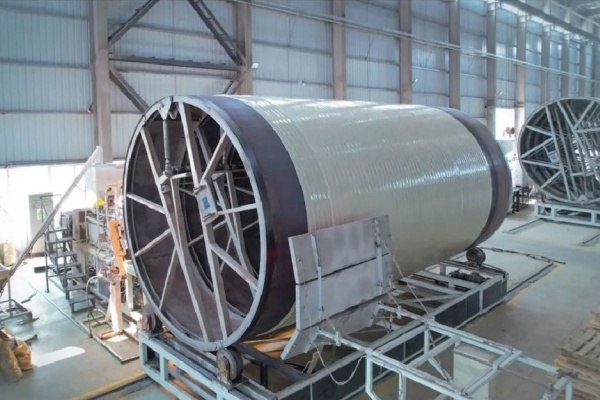
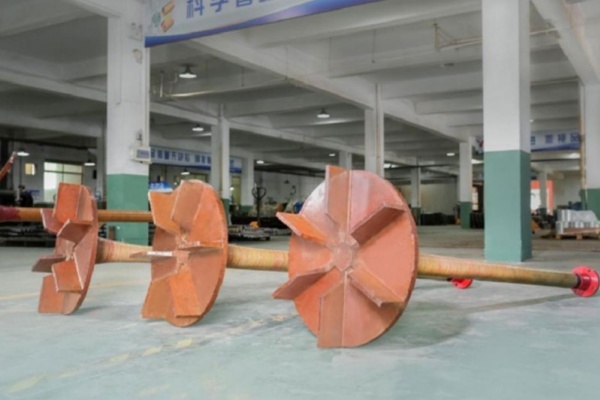
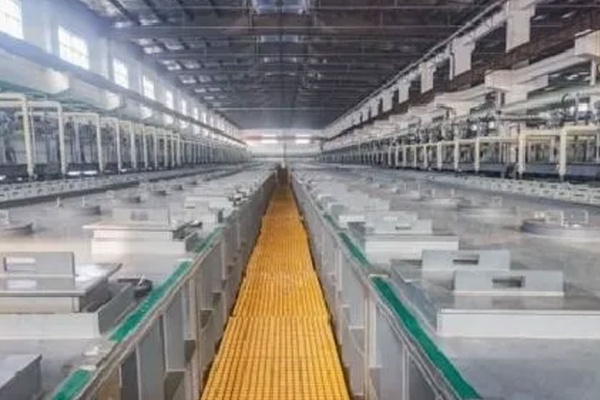
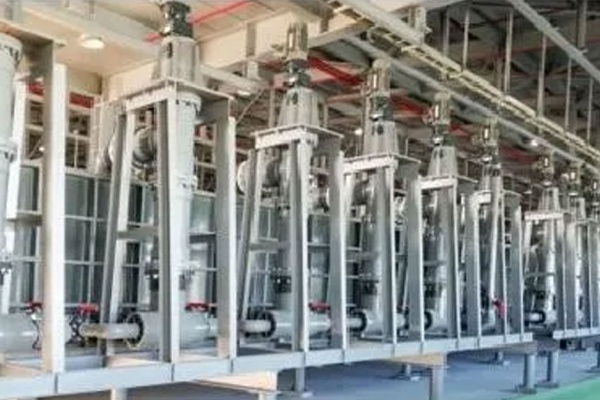
Tubular rapid extractors and related extraction systems can be configured according to specific project conditions.
Compared with conventional equipment arrangements, optimized extraction systems can help reduce unnecessary floor-space requirements, improve continuous operation, and support efficient phase contact and separation.
Corrosion Resistance Supports Long-Term Operation
Battery recycling processes frequently involve aggressive operating environments.
Equipment may be exposed to:
- Strong acids
- Alkalis
- Chloride-containing solutions
- Organic extractants
- Metal-rich process liquids
- Corrosive waste streams
For this reason, materials selection is a critical part of process and equipment design.
Depending on operating conditions, equipment may use materials such as:
- PPH
- HDPE
- PVC
- FRP
- Stainless steel
- Composite or lined structures
Appropriate material selection can improve equipment durability, reduce corrosion-related maintenance, and support stable long-term production.
Environmental Control Is Part of Mineral Security
Critical mineral recovery cannot be considered sustainable if wastewater, acid mist, organic vapors, or other emissions are poorly managed.
Environmental treatment therefore forms an important part of the overall recycling system.
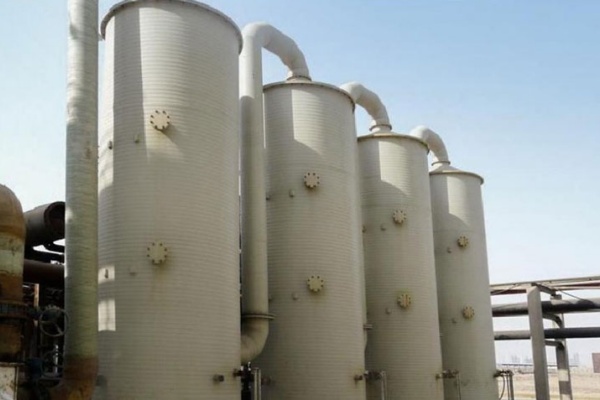
For organic waste-gas treatment, an integrated process may include:
Alkali washing → Water washing → Mist removal → Activated-carbon adsorption → Regeneration
Acidic components such as sulfuric acid mist or hydrogen chloride can be removed before the gas enters adsorption equipment.
Activated carbon can then capture remaining organic pollutants, while regeneration systems can restore adsorption performance for continued operation.
Wastewater treatment should also be coordinated with metallurgical recovery processes.
This integrated approach can help companies improve:
- Cumplimiento de la normativa medioambiental
- Estabilidad del proceso
- Resource utilization
- Operational continuity
- Waste-management efficiency
Engineering Integration Reduces Project Risk
Battery recycling combines multiple technical disciplines.
A complete project may involve:
Chemical process design + Mechanical equipment + Corrosion-resistant materials + Automation + Utilities + Environmental treatment + Commissioning
Even an effective metallurgical flowsheet can underperform if equipment layout, piping, automation, operating procedures, or environmental systems are poorly coordinated.
Integrated engineering therefore plays an important role in controlling project risk.
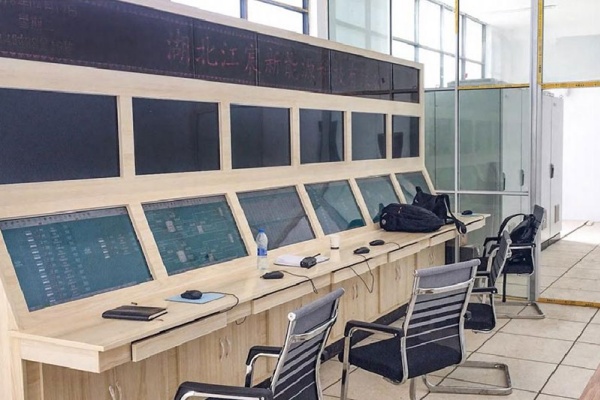
TYIC provides services covering process design, equipment manufacturing, installation coordination, commissioning, and operational training.
The company has stated experience in designing más de 20 líneas de producción en China y en el extranjero and participating in more than 100 service projects.
Entre sus proyectos destaca la colaboración con empresas como EcoPro, Tianneng, GEM, Camel Group, Brunp Recycling, Ganfeng-related recycling operations, and Ningbo Lygend projects.
Building a More Circular Critical-Mineral Supply Chain
Battery recycling transforms retired products and production waste into potentially reusable strategic resources.
Recovered nickel, cobalt, manganese, lithium, and other metals can return to industrial circulation rather than leaving the battery value chain.
For battery manufacturers and material processors, recycling therefore provides more than waste treatment.
It can establish a controlled secondary supply channel supported by:
- Efficient metal recovery
- Selective solvent extraction
- Equipos resistentes a la corrosión
- Tratamiento medioambiental
- Control automatizado de procesos
- Ingeniería integrada
- Consistent recovered-product quality
As global battery production expands, recycling can increasingly complement mining, refining, and international sourcing.
A well-designed recycling system can help improve resource efficiency, supply-chain resilience, environmental performance, and long-term access to critical minerals.
Battery recycling strengthens critical mineral security by converting secondary resources into reliable supply through efficient recovery, separation, environmental control, and integrated engineering.
 Español
  English
  Deutsch
  Français
  Português
  Italiano