
Critical mineral shortages threaten battery supply chains, while discarded materials waste recoverable value. Without effective recycling, costs and supply risks rise. Circular recovery turns scrap into dependable supply.
Circular strategies recover nickel, cobalt, manganese, lithium, and other valuable metals from batteries and industrial residues through disassembly, leaching, extraction, crystallization, electrowinning, and purification. By returning recovered materials to production, manufacturers can reduce waste, diversify sourcing, improve resource efficiency, and strengthen long-term critical-mineral supply resilience.
The real challenge is building recovery systems that deliver stable efficiency, consistent purity, reliable operation, and scalable industrial performance.
Índice
Why Critical Minerals Need a Circular Supply Strategy
Critical minerals are essential to electric vehicles, energy storage, electronics, and advanced manufacturing. As demand grows, pressure increases across mining, refining, logistics, and international supply chains.
At the same time, retired batteries and metal-bearing industrial residues still contain significant recoverable value.
A circular strategy treats these materials as secondary resources rather than waste.
Through collection, pretreatment, hydrometallurgical separation, purification, and product recovery, manufacturers can create an additional source of critical minerals while reducing dependence on primary resources.
For battery recyclers and non-ferrous metal processors, circularity can therefore support three priorities simultaneously:
- Recover more valuable metals
- Reduce waste and environmental pressure
- Build a more diversified raw-material supply
The objective is not simply to recycle more material. It is to create a stable, controllable, and economically practical recovery loop.
Build the Recovery Route Around the Feedstock
There is no universal process route for every critical-mineral stream.
The appropriate system depends on:
- Feedstock composition
- Impurity concentration
- Target metal products
- Required recovery rate
- Product purity specifications
- Plant capacity and operating conditions
For retired ternary lithium batteries, a typical hydrometallurgical process may include:
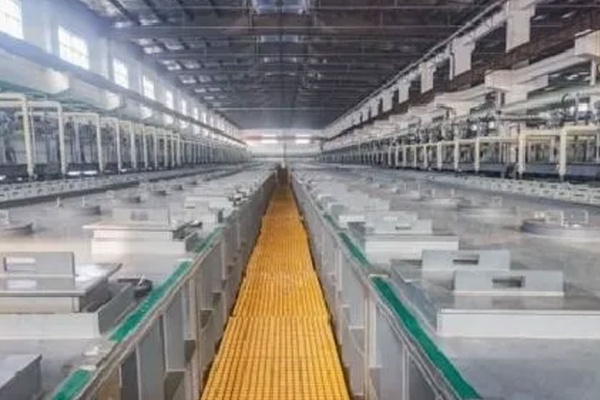
Disassembly & Crushing → Roasting → Leaching → Solvent Extraction → Evaporation & Crystallization → Electrowinning → Precipitation
Each stage prepares the material for more selective downstream separation.
Nickel-cobalt intermediate products such as MHP require different process configurations. A typical route may involve:
Washing → Leaching → Extraction → Crystallization or Electrowinning → Ion Exchange
For rare and precious metals such as molybdenum, vanadium, lithium, rubidium, and cesium, process conditions may require specialized extraction chemistry and customized equipment.
The key principle remains the same: the process route must match the actual feedstock and final product requirements.
Extraction Equipment Is the Core of Separation
In many hydrometallurgical processes, solvent extraction is one of the most important separation stages.
Once valuable metals are dissolved into solution, extraction equipment must selectively separate target components from complex mixtures.
Its performance directly influences:
- Mass-transfer efficiency
- Separación de fases
- Recuperación de metales
- Pureza del producto
- Equipment footprint
- Operating stability
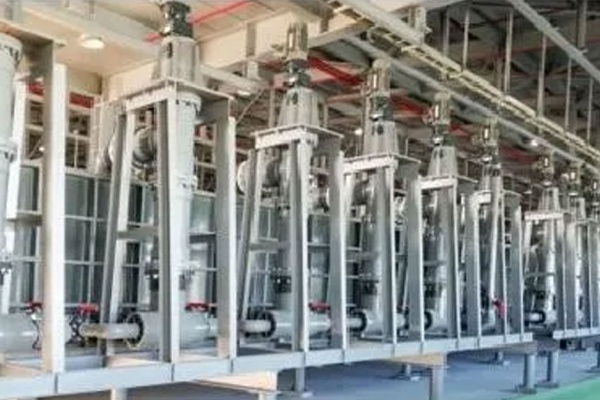
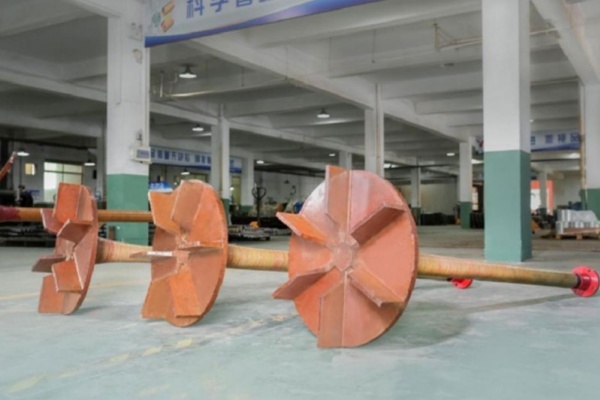
TYIC develops extraction systems including cajas de extracción respetuosas con el medio ambiente y extractores rápidos tubulares, together with leaching tanks, reaction tanks, storage systems, oil-removal equipment, and electrical control systems.
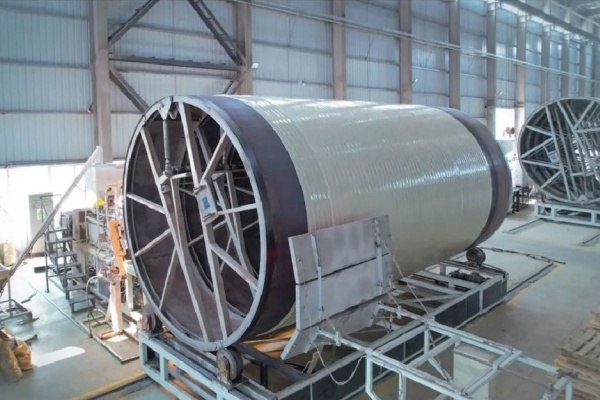
Available equipment materials include PVC, PPH, FRP, stainless steel, and lined structures, selected according to corrosion conditions, process media, temperature, and operating requirements.
For circular-mineral projects, equipment should not be selected independently from process chemistry.
Process design and equipment structure must work together.
Flow rate, residence time, mixing intensity, phase disengagement, corrosion resistance, maintenance access, and automation should all be considered during engineering design.
Integrate Environmental Control With Material Recovery
Circular processing still creates environmental challenges.
Leaching, extraction, washing, and regeneration processes may generate:
- Acidic mist
- Organic vapor
- Oil-bearing streams
- Process wastewater
- Other industrial emissions
A complete recovery system therefore requires both resource recovery and pollution control.
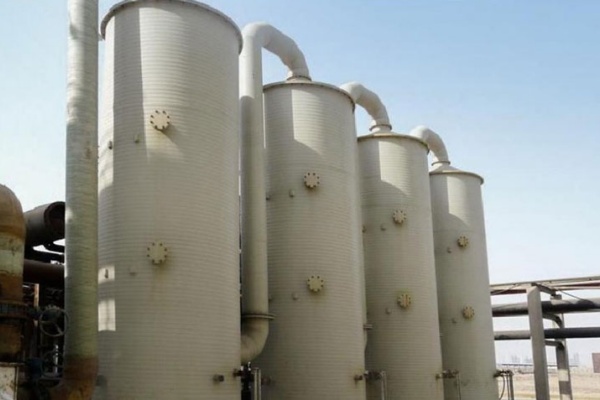
Waste-gas treatment can integrate processes such as:
Alkali Washing → Water Washing → Mist Removal → Adsorption → Regeneration
Wastewater treatment and oil-removal systems can also be incorporated into the overall plant design.
This approach helps prevent one environmental problem from simply being transferred from one process stream to another.
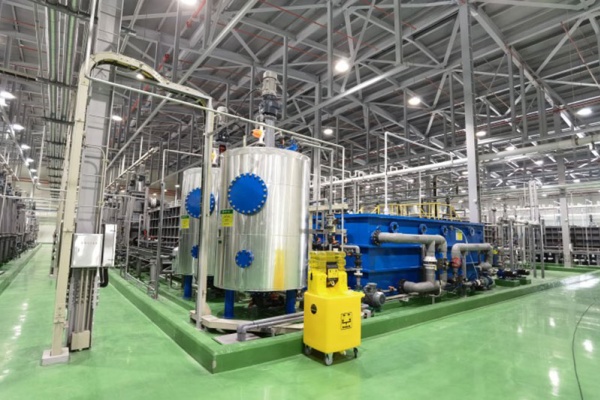
For critical-mineral recycling facilities, extraction systems, corrosion-resistant equipment, wastewater treatment, and waste-gas control should operate as an integrated engineering system.
Move From Equipment Procurement to Integrated Delivery
Critical-mineral recycling projects involve more than purchasing individual machines.
Successful implementation requires coordination across:
- Diseño del proceso
- Mechanical equipment
- Automatización eléctrica
- Pipeline systems
- Distribución de la planta
- Civil engineering interfaces
- Installation
- Commissioning
- Formación de operadores
When these responsibilities are fragmented across multiple suppliers, projects may face redesign, communication gaps, schedule delays, and interface problems.
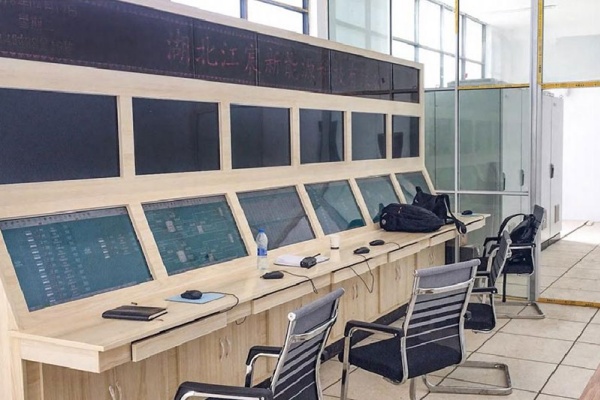
TYIC provides engineering support covering process-route selection and optimization, MB, PFD and P&ID design, customized equipment structures, workshop layout, civil engineering conditions, electrical automation, pipeline and cable-tray planning, tank filling, commissioning, training, and management documentation.
TYIC reports experience with more than 20 recycling production lines in China and overseas, together with over 100 service projects involving ternary battery recycling, nickel-cobalt intermediates, rare-metal recovery, extraction, and environmental treatment.
Integrated delivery can help connect laboratory concepts and process requirements with practical industrial implementation.
Design Circularity for Long-Term Supply Resilience
A successful circular-mineral project should not be evaluated by recovery rate alone.
Long-term performance depends on several factors:
- Alta eficacia de recuperación
- Calidad estable del producto
- Funcionamiento continuo fiable
- Cumplimiento de la normativa medioambiental
- Resistencia a la corrosión
- Automation capability
- Adaptability to changing feedstocks
For battery recyclers and non-ferrous metal processors, the ideal model is a repeatable closed loop:
Collect → Pretreat → Leach → Separate → Purify → Recover → Return to Production
This transforms end-of-life batteries and industrial residues into a more predictable source of critical minerals.
With suitable process design, extraction technology, corrosion-resistant equipment, automation, and environmental controls, circular recovery can become part of a broader supply-chain strategy rather than simply a waste-treatment activity.
From scrap to supply, circular recovery converts waste into valuable resources while strengthening critical-mineral security, efficiency, and long-term supply resilience.
 Español
  English
  Deutsch
  Français
  Português
  Italiano