
Old or degraded battery cells create environmental risks and waste valuable metals. Improper disposal increases pollution and resource shortages. Advanced battery recycling technologies recover critical materials efficiently, supporting sustainable battery production.
Battery recycling involves collecting, discharging, dismantling, sorting, and processing end-of-life battery cells to recover valuable materials such as lithium, nickel, cobalt, copper, and manganese. Modern hydrometallurgical and mechanical recycling technologies enable high recovery rates while reducing environmental impact and supporting the circular economy.
Understanding how old or degraded battery cells are recycled reveals why efficient recovery systems are becoming essential worldwide.
Índice
Why Is Recycling Old Battery Cells Important?
As electric vehicles, energy storage systems, and portable electronics continue to expand globally, millions of battery cells are approaching the end of their service life. These batteries contain valuable metals that are increasingly difficult and expensive to mine.
Without proper recycling, discarded batteries can:
- Release hazardous substances into soil and water
- Increase landfill waste
- Cause fire and safety hazards
- Create shortages of critical raw materials
- Raise manufacturing costs for new batteries
Recycling helps manufacturers reduce dependence on virgin resources while supporting environmental sustainability and supply chain security.
What Types of Battery Cells Can Be Recycled?
Most commercial rechargeable batteries can be recycled, including:
- Baterías de iones de litio
- Lithium iron phosphate (LFP) batteries
- Nickel cobalt manganese (NCM) batteries
- Nickel metal hydride batteries
- Lead-acid batteries
- Nickel-cadmium batteries
Among these, lithium-ion batteries receive the greatest attention because they are widely used in electric vehicles and energy storage applications and contain valuable metals with significant recovery value.
Step 1: Collection and Transportation
The recycling process begins with the safe collection of spent batteries from:
- Vehículos eléctricos
- Electrónica de consumo
- Equipamiento industrial
- Energy storage systems
- Manufacturing scrap
Because degraded batteries may still contain residual energy, they must be transported according to strict safety regulations. Specialized packaging, monitoring systems, and handling procedures help prevent short circuits and thermal incidents during transportation.
Step 2: Discharging and Safety Treatment
Before dismantling, batteries are typically discharged to eliminate remaining electrical energy.
This step reduces:
- Fire risks
- Explosion hazards
- Equipment damage
- Worker safety concerns
Advanced facilities utilize automated systems to safely discharge large volumes of batteries while maintaining operational efficiency.
Step 3: Dismantling and Sorting
After discharge, battery packs are dismantled into smaller components.
The process separates:
- Battery modules
- Individual cells
- Plastic materials
- Aluminum components
- Copper materials
- Electronic control systems
Automated sorting technologies improve efficiency and ensure different battery chemistries are processed appropriately. Proper classification is essential because each battery type requires specific recovery methods.
Step 4: Mechanical Processing
Mechanical processing reduces batteries into smaller particles through crushing, shredding, and screening operations.
This stage produces material streams containing:
- Black mass
- Aluminum fractions
- Copper fractions
- Plastic materials
- Steel components
Black mass is particularly valuable because it contains lithium, nickel, cobalt, manganese, and graphite, which can be recovered through further refining processes.
Modern recycling plants employ enclosed systems with dust collection and environmental protection measures to ensure safe operation.
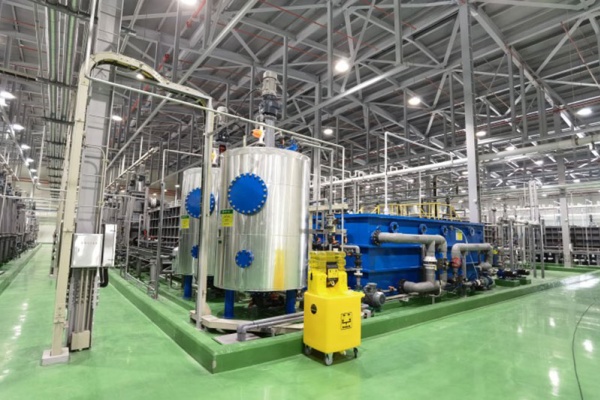
Step 5: Hydrometallurgical Recovery
Hydrometallurgy has become one of the most widely adopted recycling technologies for lithium-ion batteries.
In this process:
- Black mass is dissolved using chemical solutions.
- Valuable metals are selectively extracted.
- Purification processes remove impurities.
- Battery-grade materials are regenerated.
Recovered materials may include:
- Lithium salts
- Nickel compounds
- Cobalt compounds
- Manganese compounds
- Copper products
Compared with traditional pyrometallurgical methods, hydrometallurgical technologies often offer:
- Mayores tasas de recuperación
- Menor consumo de energía
- Better metal purity
- Emisiones reducidas
These advantages make hydrometallurgy particularly attractive for large-scale battery recycling operations.
Step 6: Material Refining and Reuse
After extraction, recovered metals are refined into battery-grade products suitable for manufacturing new batteries.
These recycled materials can be used to produce:
- Cathode precursor materials
- Cathode active materials
- Battery chemicals
- Industrial metal products
The ability to return recovered metals directly into battery manufacturing creates a closed-loop recycling system, significantly reducing resource consumption and environmental impact.
Challenges in Battery Recycling
Although battery recycling technology continues to advance, several challenges remain:
Battery Design Complexity
Different battery manufacturers use varying cell formats, chemistries, and pack structures, making automated dismantling more difficult.
Collection Infrastructure
Efficient collection networks are essential to ensure end-of-life batteries reach recycling facilities safely and economically.
Economic Viability
Fluctuating metal prices can influence recycling profitability, particularly for batteries containing lower concentrations of valuable metals.
Cumplimiento de la normativa medioambiental
Recycling facilities must comply with increasingly stringent environmental regulations regarding emissions, wastewater treatment, and waste management.
Future Trends in Battery Recycling
The battery recycling industry is rapidly evolving to support the global transition toward electrification.
Key trends include:
- Increased automation in dismantling operations
- Higher recovery efficiency for lithium and graphite
- Direct recycling technologies
- Expansion of battery recycling capacity worldwide
- Integration of recycling into battery supply chains
As electric vehicle adoption accelerates, recycled materials are expected to become an increasingly important source of critical battery metals.
En conclusión, recycling old or degraded battery cells recovers valuable resources, reduces environmental impact, and supports a sustainable circular battery economy.
 Español
  English
  Deutsch
  Français
  Português
  Italiano