
Lithium battery waste is rising fast, creating safety risks, environmental pollution, and lost material value, but industrial recycling machines provide an efficient recovery solution.
Industrial lithium battery recycling machines for sale offer automated crushing, sorting, and metal recovery systems designed to safely process used batteries, recover valuable materials like lithium, cobalt, and nickel, and reduce environmental hazards while improving industrial recycling efficiency.
For manufacturers and recyclers, this technology is becoming essential to stay compliant and profitable.
Índice
The Growing Problem of Lithium Battery Waste
The rapid expansion of electric vehicles, energy storage systems, and consumer electronics has created an unprecedented surge in lithium battery waste. These batteries contain valuable but hazardous materials that cannot be safely disposed of through traditional landfill or incineration methods.
Improper disposal leads to chemical leakage, fire hazards, and severe environmental contamination. At the same time, large quantities of lithium, cobalt, nickel, and copper are being wasted, increasing reliance on mining and raising production costs across industries.
Governments worldwide are tightening regulations on battery disposal, forcing manufacturers and recycling companies to adopt advanced processing solutions. This shift is no longer optional—it is a regulatory and economic necessity.
Why Industrial Recycling Machines Are Essential
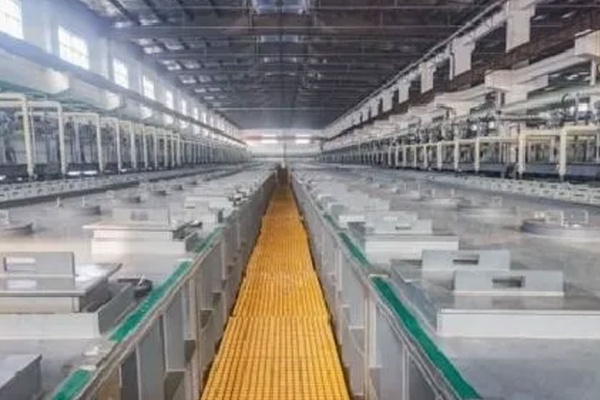
Industrial lithium battery recycling machines are designed to solve both environmental and economic challenges in one system. They typically combine automatic discharging, shredding, crushing, separation, and material recovery processes into a continuous production line.
These machines can safely handle different types of lithium batteries, including EV battery packs, cylindrical cells, and pouch cells. Through controlled processing environments, they reduce fire risk and prevent toxic gas release.
More importantly, they maximize material recovery rates. Advanced separation technologies allow operators to extract high-purity black mass, aluminum, copper, and other reusable metals. This directly increases profit margins for recycling businesses while reducing raw material dependency.
Key Features of Modern Recycling Systems
Modern industrial lithium battery recycling machines are built with efficiency, safety, and scalability in mind.
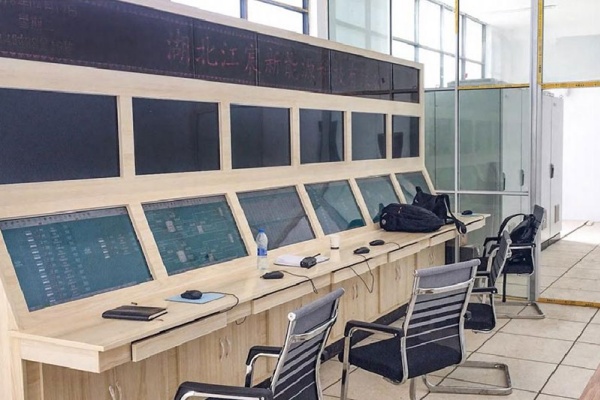
One of the most important features is fully automated operation, which reduces labor costs and minimizes human exposure to hazardous materials. Operators can control the entire line through a centralized control system.
Another key feature is multi-stage separation technology. This ensures that valuable materials are accurately sorted without cross-contamination, improving downstream refining efficiency.
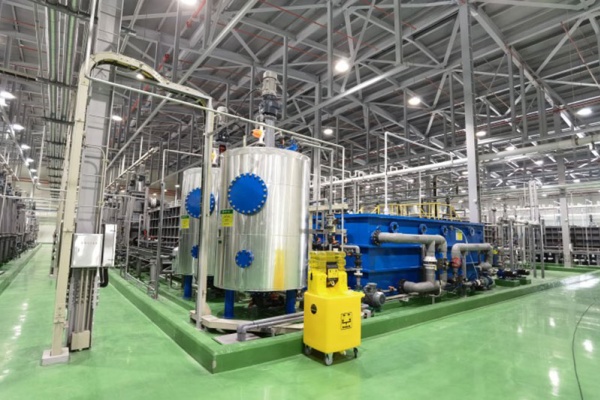
In addition, many systems include dust collection and gas treatment units, which are critical for maintaining environmental compliance and workplace safety standards.
Scalability is also a major advantage. Production lines can be customized based on processing capacity, ranging from small pilot systems to large industrial-scale recycling plants.
Economic Value and Market Opportunity
The global demand for lithium battery recycling is increasing rapidly due to the growth of electric mobility and renewable energy storage. This creates a strong business opportunity for companies investing in recycling equipment.
Recovered materials such as lithium and cobalt have high market value and are in constant demand from battery manufacturers. By using efficient recycling machines, companies can turn waste into profitable raw materials.
In addition, governments are offering incentives and subsidies to support green recycling projects. This further improves return on investment and shortens payback periods for equipment buyers.
As raw material prices continue to rise, recycling is expected to become a core supply source for the battery industry.
How to Choose the Right Recycling Machine
Selecting the right industrial lithium battery recycling machine depends on several factors, including processing capacity, automation level, and material output requirements.
Businesses should evaluate whether the system supports different battery types and whether it includes advanced safety features such as explosion-proof design and gas filtration systems.
After-sales support and customization options are also critical. A reliable supplier should provide installation guidance, technical training, and long-term maintenance services.
Investing in a well-designed system ensures stable production, higher recovery rates, and lower operational risks over time.
Future Outlook of Battery Recycling Industry
The lithium battery recycling industry is expected to expand significantly over the next decade. As electric vehicles become mainstream, battery waste volumes will continue to rise sharply.
Technological advancements will further improve recovery efficiency and reduce processing costs. Smart automation, AI-based sorting, and cleaner refining technologies will become standard features in future systems.
Companies that invest early in industrial recycling infrastructure will gain a strong competitive advantage in both material supply and regulatory compliance.
Industrial lithium battery recycling machines are no longer optional equipment—they are a critical part of the future energy ecosystem.
Efficient recycling drives sustainability, profitability, and long-term industrial growth.
 Español
  English
  Deutsch
  Français
  Português
  Italiano