
Battery recycling may seem sustainable, yet hidden energy, chemical, and transport burdens can undermine results. Poor assessment misdirects investment; life cycle assessment identifies the true environmental balance.
A life cycle assessment of lithium-ion battery recycling evaluates impacts from collection and pretreatment through material recovery, refining, and final output. By measuring energy use, emissions, water demand, waste, and avoided primary production within a defined functional unit, it determines whether a recycling process delivers genuine environmental benefits.
The following framework explains how to develop and interpret a credible battery-recycling LCA.
Índice
Why Life Cycle Assessment Matters
Lithium-ion battery recycling can reduce dependence on virgin resources, recover metals, and support a circular supply chain. However, every recycling facility consumes electricity, heat, water, chemicals, and transport services while generating wastewater, emissions, and solid residues.
Life cycle assessment, or LCA, converts these flows into a structured environmental evaluation.
Battery chemistry strongly influences the result. Nickel-rich batteries and lithium iron phosphate batteries present different recovery profiles. Results also vary with:
- Collection and transport distance
- Regional electricity generation
- Plant utilization
- Eficacia de la recuperación
- Chemical consumption
- Pureza del producto
Claims that recycling is “green” should therefore be supported by transparent assumptions and representative data.
Define the Goal, Scope, and Functional Unit
A reliable LCA defines its goal, audience, and decision context. It may compare technologies, evaluate a plant, support process design, or identify improvement priorities.
The functional unit provides a common reference. Typical examples include:
- One kilogram of spent batteries treated
- One tonne of black mass processed
- One kilogram of battery-grade material produced
A treatment-based unit emphasizes waste management, while a product-based unit reflects recovery yield and output quality.
System boundaries must be clear. A gate-to-gate study may cover facility activities only. A broader assessment can include collection, dismantling, crushing, separation, leaching, extraction, purification, crystallization, wastewater treatment, residue disposal, and avoided primary production.
Build a Complete Life Cycle Inventory
The life cycle inventory records material and energy flows entering and leaving the system.
Key Inputs
- Electricity, steam, and fuel
- Process and cooling water
- Acids, alkalis, extractants, and precipitants
- Filter media and auxiliary materials
Key Outputs
- Recovered metals and battery-grade salts
- Plastics, foils, and reusable components
- Treated water, emissions, and wastewater
- Sludge, slag, and residues
Data quality should document the time period, geography, technology, operating rate, measurement method, and uncertainty level.
Plant utilization is important. Low throughput increases impact per unit because fixed energy demand is distributed across less output. Pilot-scale data may overstate burdens compared with commercial operations.
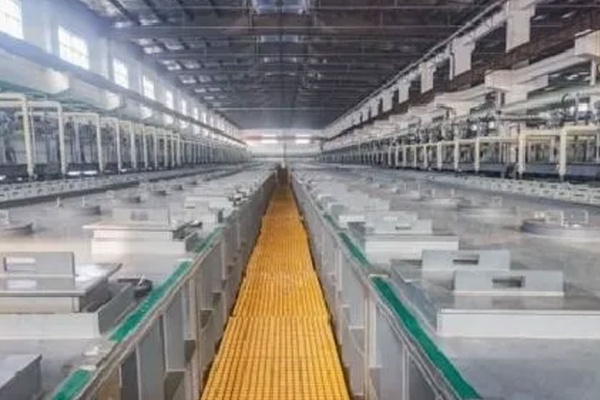
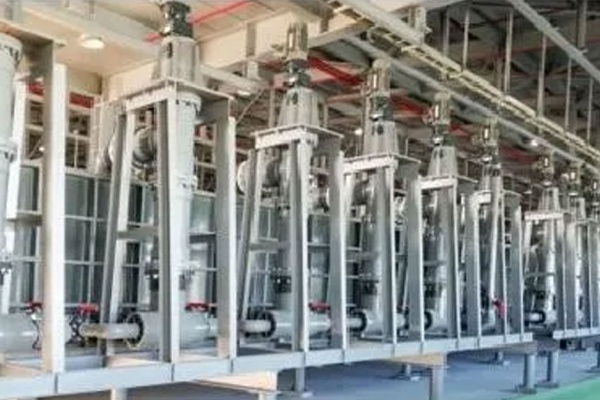
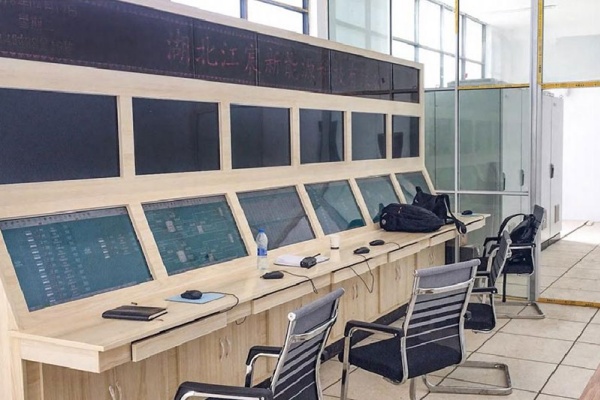
TYIC’s documented process coverage includes disassembly and crushing, roasting, leaching, extraction, evaporation and crystallization, electrowinning, precipitation, and ion exchange. Its engineering services cover route selection, material balances, equipment structure, workshop layout, automation, commissioning, and training. This integrated scope supports consistent data collection across a recycling line.
Compare Recycling Routes Fairly
Mechanical pretreatment separates casings, foils, plastics, and active materials. Its performance depends on separation efficiency, electricity use, dust control, and downstream product value.
Pyrometallurgical processes accept mixed feedstocks, but high temperatures can increase energy demand. Lithium and aluminum may enter slag, requiring further treatment.
Hydrometallurgical processes use leaching, solvent extraction, precipitation, ion exchange, or crystallization. They can achieve high selectivity, but assessments must include reagent production, heating, wastewater treatment, and residue management.
Direct recycling aims to preserve cathode structure and reduce refining. Its performance depends on chemistry sorting, clean feedstock, and successful regeneration.
A fair comparison requires the same functional unit, equivalent product-quality assumptions, and transparent allocation rules. Recovered material should receive environmental credit only when it replaces a technically comparable primary product.
Select Relevant Impact Categories
Climate change is often the headline indicator, but it should not stand alone. A robust LCA may evaluate:
- Greenhouse gas emissions
- Energy and water demand
- Acidification and eutrophication
- Particulate formation
- Human toxicity and ecotoxicity
- Resource depletion
- Waste generation
A process may reduce carbon emissions while increasing water use or chemical-related impacts. Reporting several indicators prevents incomplete conclusions.
Electricity mix affects crushing, pumping, ventilation, extraction, and electrowinning. Reagent dosage influences chemical production and wastewater treatment. Recovery efficiency determines how much primary production is avoided.
Turn LCA Results into Process Improvements
LCA is most valuable when connected to engineering decisions. Hotspot analysis may support:
- Heat recovery and lower-carbon electricity
- Improved mechanical separation
- Optimized reagent circulation
- Sistemas de circuito cerrado de agua
- Mayores tasas de recuperación
- Shorter transport distances
- Durable corrosion-resistant equipment
Results should include scenario, sensitivity, and uncertainty analysis. Key scenarios may vary battery chemistry, electricity source, recovery yield, reagent consumption, logistics distance, and allocation method.
For manufacturers, recyclers, and technology providers, a strong assessment links environmental indicators with mass balance, product specifications, operational stability, and compliance requirements. This approach turns LCA from a marketing label into a practical tool for designing efficient and scalable circular battery systems.
A credible battery-recycling LCA uses clear boundaries, representative data, balanced impact indicators, and measurable process improvements.
 Español
  English
  Deutsch
  Français
  Português
  Italiano