
Improper lithium battery disposal causes fires, toxic leaks, and environmental pollution. Without professional recycling, businesses risk safety incidents, legal penalties, and resource waste. Advanced recycling systems provide safe, compliant, and sustainable disposal solutions.
The best way to dispose of scrap lithium batteries is through professional recycling processes that include collection, discharge, dismantling, material separation, and metal recovery. Advanced recycling equipment helps recover valuable metals such as lithium, cobalt, nickel, and manganese while minimizing environmental pollution and fire risks. Certified recycling solutions also ensure compliance with environmental regulations and improve resource sustainability.
Proper lithium battery disposal is becoming essential as global battery usage continues to increase rapidly.
Índice
Why Is Proper Disposal of Scrap Lithium Batteries Important?
Lithium-ion batteries contain valuable metals and hazardous chemicals. If disposed of incorrectly, they can create severe environmental and safety problems. Many industries, especially electric vehicle and energy storage manufacturers, are now under pressure to establish safe recycling systems.
Common risks of improper battery disposal include:
- Thermal runaway and fire hazards
- Leakage of toxic electrolytes
- Soil and groundwater contamination
- Loss of recyclable strategic metals
- Regulatory compliance violations
As governments strengthen environmental regulations, manufacturers and recyclers must adopt more efficient disposal and recycling methods.
What Are the Main Steps in Lithium Battery Disposal?
Effective lithium battery disposal requires a systematic and highly controlled process. Modern recycling facilities typically follow several key stages.
1. Collection and Classification
Scrap lithium batteries are first collected and sorted according to:
- Química de la batería
- Size and structure
- Charge condition
- Application type
This step improves recycling efficiency and reduces operational risks.
2. Safe Discharge Process
Residual electrical energy inside batteries creates major fire risks. Professional facilities use controlled discharge systems to safely neutralize remaining energy before dismantling.
3. Dismantling and Crushing
After discharge, batteries are dismantled mechanically or automatically. Crushing systems separate battery shells, electrodes, separators, and electrolyte materials.
Advanced automated equipment significantly improves operational safety and processing efficiency.
4. Material Separation
The crushed materials undergo physical and chemical separation processes to recover:
- Litio
- Níquel
- Cobalto
- Cobre
- Aluminio
- Graphite
Technologies such as flotation, magnetic separation, and solvent extraction are commonly used in this stage.
5. Metal Recovery and Purification
Recovered materials are further refined into reusable raw materials suitable for battery manufacturing and other industrial applications.
This closed-loop recycling model supports the circular economy and reduces dependence on mining resources.
What Technologies Improve Lithium Battery Recycling Efficiency?
Modern recycling systems rely on advanced process technologies to improve recovery rates and environmental performance.
Hydrometallurgical Technology
Hydrometallurgy uses chemical solutions to extract valuable metals from battery waste. This method offers:
- High metal recovery rates
- Menor consumo de energía
- Reduced air pollution
- Better material purity
It is widely used for lithium, cobalt, and nickel recovery.
Mechanical Separation Technology
Mechanical processing improves operational efficiency through:
- Automated dismantling
- Intelligent crushing
- Precision material classification
This technology reduces labor requirements and enhances workplace safety.
Waste Gas and Wastewater Treatment Systems
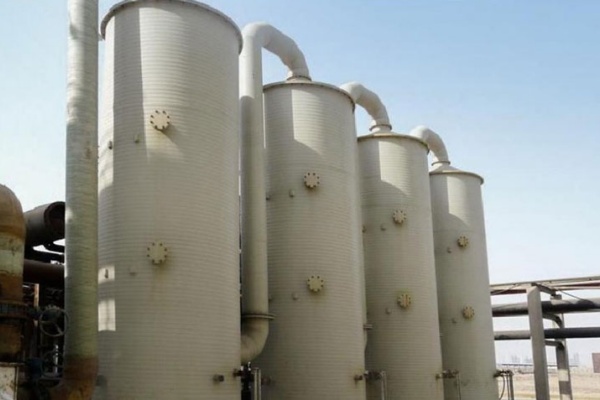
Battery recycling produces exhaust gases and wastewater containing hazardous substances. Environmental protection systems are essential for compliant operation.
Professional waste treatment systems help facilities achieve:
- Emission reduction
- Wastewater purification
- Chemical neutralization
- Environmental compliance
Integrated environmental engineering solutions are becoming increasingly important for battery recycling plants worldwide.
How Can Companies Choose the Right Battery Recycling Partner?
Selecting a qualified recycling equipment and solution provider is critical for long-term operational success.
Important evaluation factors include:
| Key Factor | Importance |
|---|---|
| Technical Capability | Ensures high recovery efficiency |
| Cumplimiento de la normativa medioambiental | Reduces legal and operational risks |
| Customization Ability | Supports different battery chemistries |
| Automation Level | Improves safety and productivity |
| EPC Service Capacity | Simplifies project implementation |
Companies should prioritize suppliers with extensive engineering experience and integrated environmental protection capabilities.
What Role Does Advanced Equipment Play in Sustainable Recycling?
High-performance recycling equipment directly affects:
- Eficacia de la recuperación
- Operational safety
- Impacto medioambiental
- Production costs
- Cumplimiento de la normativa
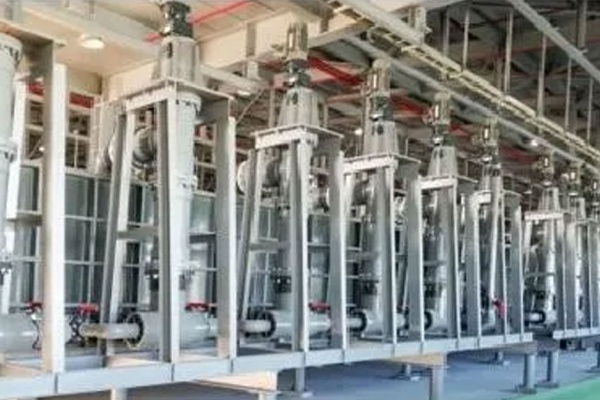
Modern extraction and separation systems help maximize valuable metal recovery while minimizing waste generation.
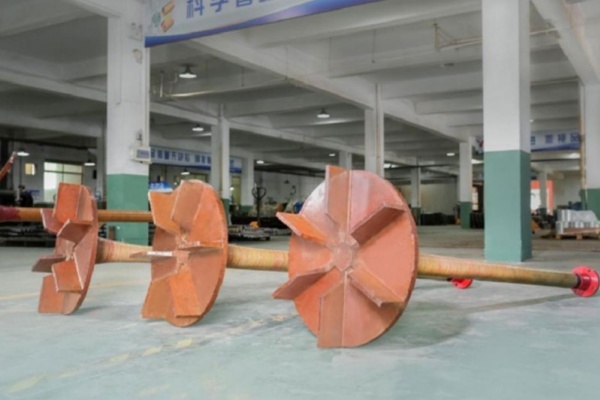
Corrosion-resistant materials, intelligent process control, and customized engineering solutions are especially important in lithium battery recycling applications because of the aggressive chemical environments involved.
As the global electric vehicle market continues to expand, demand for efficient recycling infrastructure will increase significantly.
Why Is Lithium Battery Recycling Important for the Circular Economy?
Lithium battery recycling supports global sustainability goals by reducing resource consumption and minimizing environmental damage.
Key benefits include:
- Reduced dependence on mining
- Lower carbon emissions
- Conservation of critical metals
- Improved waste management
- Support for green energy industries
Efficient recycling technologies are now essential for the long-term development of the new energy industry.
Proper lithium battery disposal protects the environment, improves safety, and enables sustainable recovery of valuable strategic resources.
 Español
  English
  Deutsch
  Français
  Português
  Italiano