
⚠️ Problem: Rare earth elements (REEs) in industrial waste are lost, leading to shortages.
⛔ Consequence: Resource depletion, higher costs, and environmental harm.
✅ Solución: Sustainable REE recovery converts waste into valuable resources and reduces pollution.
♻️ Recovering rare earths from industrial and electronic waste reduces landfill, lowers emissions, and enables a circular economy. Efficient separation technologies extract high-purity REEs from waste streams.
🔍 Why it matters: Let’s uncover how sustainable REE recovery works — and why it’s essential for the future.
Índice
🔧 Why Sustainable REE Recovery Matters
Rare earth elements like neodymium, dysprosium, and lanthanum power our electric vehicles, wind turbines, and smartphones. Yet traditional mining of REEs is destructive — causing soil and water pollution, energy consumptiony CO₂ emissions.
Meanwhile, massive volumes of REE-containing e-waste, batteries, magnets, and phosphors are discarded yearly. Without recycling, these materials add to environmental damage and undermine resource security.
✅ Sustainable REE separation turns waste into a secondary source — easing raw-material dependency and enabling resilient, circular supply chains.
⚙️ Key Technologies for REE Separation from Waste
1. 🧱 Mechanical & Pre‑Processing
-
Shredding, milling, and crushing prepare waste for chemical treatment.
-
Magnetic & density separation helps concentrate REE-rich particles.
-
Reduces non-valuable mass, improving efficiency and lowering chemical use.
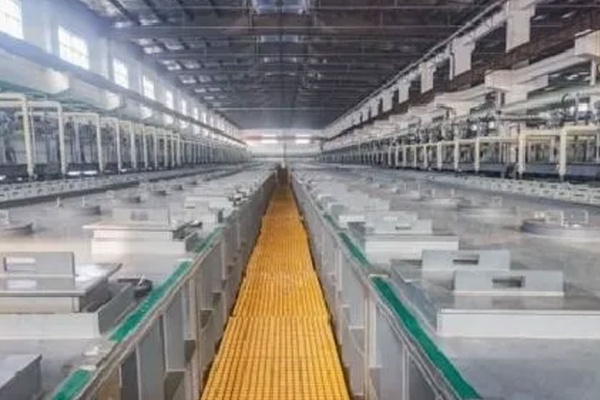
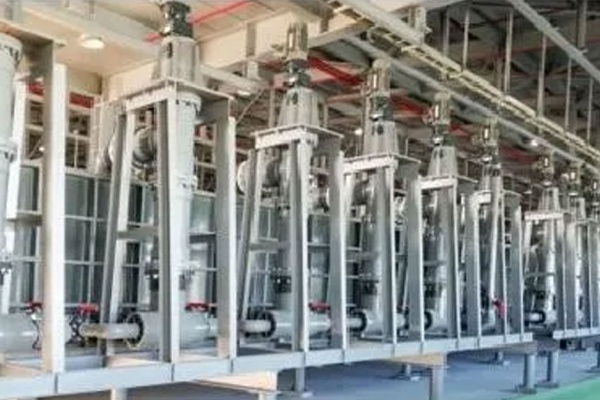
2. 🧪 Hydrometallurgical Processing
-
Lixiviación ácida/alcalina dissolves REEs into solution.
-
Eliminación de impurezas through precipitation or ion-exchange.
-
Extracción con disolventes isolates individual REEs with high purity (≥ 99%).
➡️ Recent innovations minimize waste, recycle reagents, and cut emissions.
3. 🔥 Thermal & Pyrometallurgical Techniques
-
Decompose complex compounds or extract metallic phases.
-
Used for challenging waste streams (e.g., phosphor powders).
-
Often combined with hydrometallurgy for full recovery.
4. 🌿 Bio-Hydrometallurgy & Electrochemical Methods
-
Bio-leaching uses microbes or organic acids for mild, eco-friendly extraction.
-
Electrochemical separation deposits REEs using controlled voltage.
-
Reduces chemical waste, ideal for sensitive or mixed-material recovery.
🌍 Environmental & Economic Benefits
✅ Natural Resource Conservation
-
Less mining = preserved ecosystems & reduced supply risk.
✅ Reduced Environmental Impact
-
Minimizes toxic emissions, land disruption, and water contamination.
✅ Cost Efficiency
-
Waste can contain higher REE concentrations than raw ores.
-
Cuts landfill costs, adds value to discarded materials.
✅ Circular Economy & Compliance
-
Meets Objetivos ESG and stricter waste regulations.
-
Builds credibilidad de marca and supports sustainable industry practices.
🚧 Challenges & Solutions
🔄 Complexity of Waste
-
Mixed materials make separation difficult.
-
✅ Use modular systems, staged extraction, and tailored reagents.
☣️ Chemical Waste
-
Traditional methods produce acid and solvent byproducts.
-
✅ Switch to bio-leaching, closed-loop systemsy tratamiento de aguas residuales.
💸 Economic Viability
-
Low-grade streams may not justify investment.
-
✅ Aggregate waste, optimize processes, and integrate multi-purpose recovery lines.
📌 Implementation Tips
-
🔬 Analyze waste composition and REE content.
-
⚗️ Select best-fit technology (chemical, biological, thermal).
-
♻️ Design for efficiency, with closed loops and energy recovery.
-
💰 Consider economic factors: logistics, yield, and ROI.
-
📄 Ensure compliance with environmental and industry standards.
✅ Conclusión: Sustainable REE recovery transforms waste into a valuable asset — reducing pollution and securing critical materials.
🌏 Sustainable REE recovery cuts waste, saves resources, and supports cleaner industries and greener technologies.
 Español
  English
  Deutsch
  Français
  Português
  Italiano