
Discarded batteries create resource shortages and environmental risks. Without effective recycling, critical minerals are lost, costs increase, and supply chains become vulnerable. Battery recycling recovers valuable materials, supports sustainability, and strengthens resource security.
Critical minerals from battery recycling include lithium, nickel, cobalt, manganese, and copper recovered from end-of-life lithium-ion batteries. Through advanced recycling technologies, these materials can be extracted, purified, and reintroduced into battery manufacturing, reducing dependence on mining, lowering environmental impact, and supporting the growing demand for electric vehicles and energy storage systems.
As global battery demand accelerates, understanding the role of recycled critical minerals becomes increasingly important.
Índice
What Are Critical Minerals in Batteries?
Critical minerals are raw materials that play an essential role in modern technologies and are considered strategically important due to supply risks and growing demand. In lithium-ion batteries, the most valuable critical minerals include:
- Litio – Essential for energy storage and battery performance.
- Níquel – Increases battery energy density and driving range.
- Cobalto – Improves battery stability and safety.
- Manganeso – Enhances durability and performance.
- Cobre – Widely used in electrical connections and battery components.
These minerals are fundamental to the production of electric vehicles (EVs), renewable energy storage systems, consumer electronics, and numerous industrial applications.
Why Is Battery Recycling Important?
The rapid growth of electric mobility and renewable energy has significantly increased the demand for battery materials. However, mining and refining critical minerals often involve high costs, environmental challenges, and geopolitical risks.
Battery recycling provides a sustainable alternative by recovering valuable materials from spent batteries and production scrap. This approach offers several benefits:
- Reduces dependence on virgin mining resources
- Minimizes environmental impact
- Decreases landfill waste
- Strengthens supply chain resilience
- Supports circular economy initiatives
As governments and industries pursue carbon neutrality goals, battery recycling has become a strategic component of sustainable resource management.
How Are Critical Minerals Recovered?
The recovery of critical minerals typically involves several processing stages designed to maximize material efficiency and purity.
Collection and Sorting
End-of-life batteries are collected from electric vehicles, energy storage systems, and electronic devices. Batteries are then sorted according to chemistry, size, and condition.
Mechanical Processing
Batteries are discharged, dismantled, crushed, and separated into different material streams. Valuable components such as metals, plastics, and electrode materials are isolated for further treatment.
Hydrometallurgical Extraction
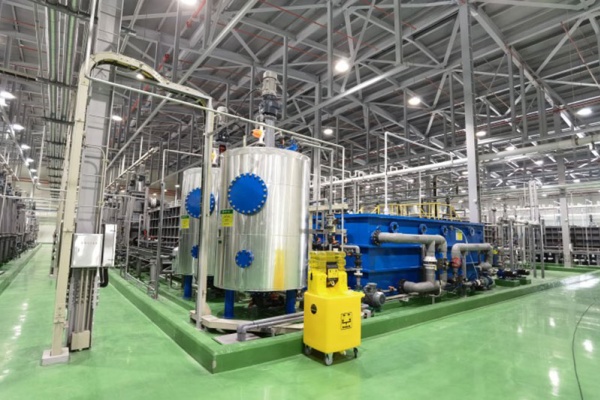
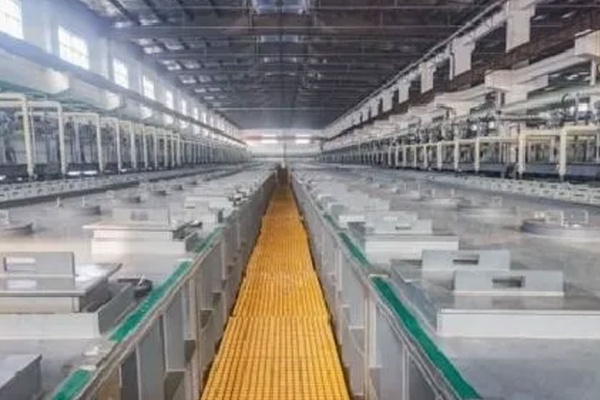
Hydrometallurgical processes use chemical solutions to selectively dissolve and recover target metals. This method is widely recognized for its high recovery efficiency and reduced environmental footprint.
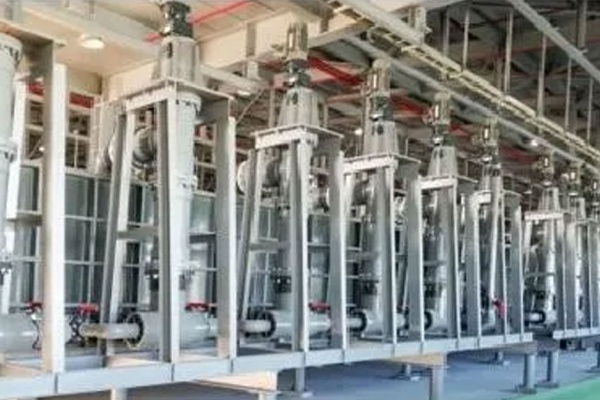
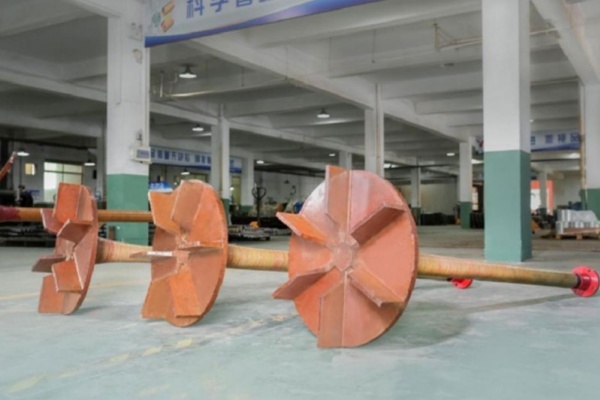
Advanced extraction technologies, including tubular mixing extractors and solvent extraction systems, help improve separation performance, enhance metal purity, and reduce operational costs.
Material Refining
Recovered metals are purified and converted into battery-grade materials suitable for manufacturing new cathodes, precursors, and battery components.
The Growing Demand for Recycled Critical Minerals
Global EV adoption continues to drive unprecedented demand for battery materials. Industry forecasts indicate substantial growth in lithium, nickel, and cobalt consumption over the coming decades.
At the same time, governments worldwide are implementing policies to promote battery recycling and resource recovery. These initiatives aim to:
- Improve domestic material security
- Reduce reliance on imported resources
- Menores emisiones de gases de efecto invernadero
- Encourage sustainable industrial development
As a result, recycled critical minerals are becoming increasingly valuable within global supply chains.
Challenges in Critical Mineral Recovery
Despite significant progress, several challenges remain in battery recycling operations.
Complex Battery Chemistries
Modern batteries contain multiple materials with varying compositions, making efficient separation technically demanding.
Process Efficiency
Achieving high recovery rates while maintaining economic viability requires advanced process design and optimized equipment.
Cumplimiento de la normativa medioambiental
Recycling facilities must meet strict environmental regulations regarding emissions, wastewater treatment, and waste management.
Material Purity Requirements
Battery manufacturers require exceptionally high-purity materials, placing increased demands on extraction and refining technologies.
To address these challenges, many companies are investing in advanced recycling systems, automation, and innovative separation technologies.
Future Outlook for Battery Recycling
The future of battery recycling is closely linked to the global energy transition. As electric vehicles and renewable energy systems expand, the volume of end-of-life batteries will continue to grow.
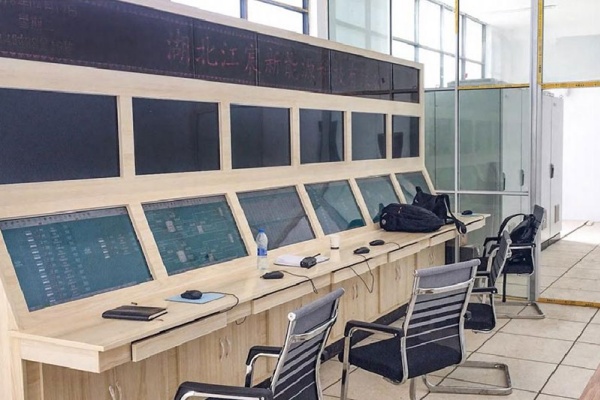
Emerging technologies are expected to improve recovery efficiency, reduce processing costs, and increase the quality of recycled materials. Advanced extraction equipment, intelligent process control, and integrated recycling facilities will play a critical role in supporting large-scale mineral recovery.
For industries involved in battery manufacturing, recycling, and resource recovery, recycled critical minerals represent a sustainable and economically attractive source of strategic materials.
Battery recycling transforms waste into valuable resources, supporting sustainable growth, supply security, and the circular economy worldwide.
 Español
  English
  Deutsch
  Français
  Português
  Italiano