
Índice
Las principales empresas de reciclaje de baterías de litio en la actualidad
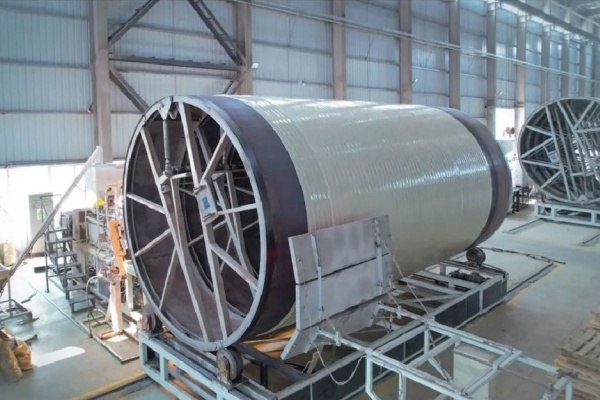
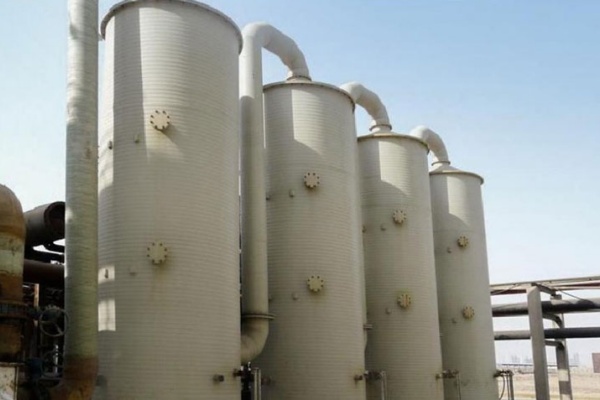
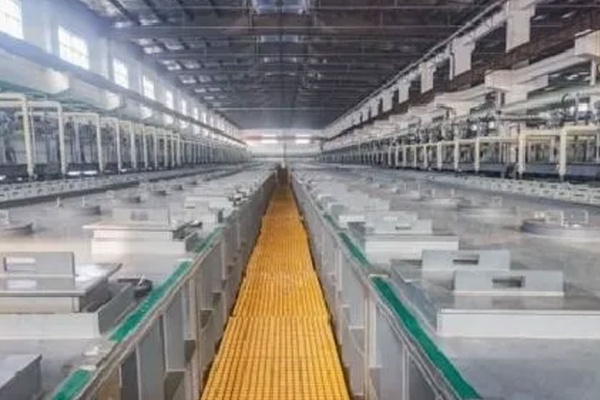
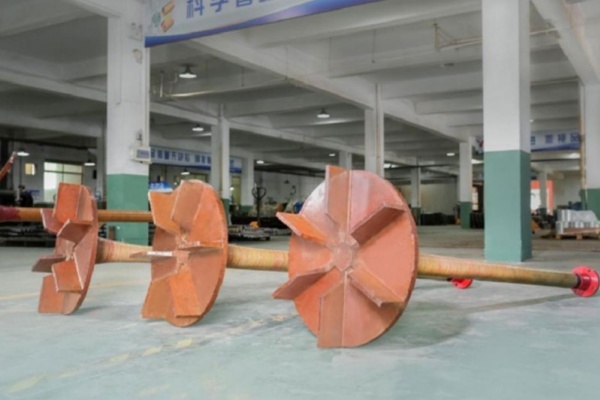
¿Qué empresas están actualmente a la vanguardia del reciclaje de baterías de litio? Entre los actores más influyentes se encuentran CATL (a través de su filial Guangdong Brunp), GEM Co., Ltd., Umicore (Bélgica), Glencore / Li‑Cycle (Suiza / Norteamérica) y American Battery Technology Company. También están creciendo rápidamente RecycLiCo, Ecobat, Aqua Metals y Xu et al. En China, Ganfeng Lithium y Huayou Cobalt lideran no solo el sector de los materiales para baterías, sino también el del reciclaje de baterías de potencia. TYIC (Hangzhou Tianyicheng New Energy Technology Co., Ltd.) se está posicionando entre estas empresas de reciclaje de baterías de litio ofreciendo equipos de extracción a medida, sistemas de protección medioambiental, tanques de almacenamiento y recipientes resistentes a la corrosión para dar soporte a toda la cadena de reciclaje.
¿Por qué seguir leyendo?
¿Te interesa saber cómo funciona realmente el reciclaje, dónde se concentra y qué servicios hay realmente disponibles?
Procesos de reciclaje
Las empresas de reciclaje de baterías de litio utilizan diversos procesos para recuperar materiales valiosos como el litio, el cobalto, el níquel, el manganeso, el cobre y el aluminio. Los principales procesos son la separación mecánica, la hidrometalurgia, la pirometalurgia, el reciclaje directo y, en ocasiones, nuevas técnicas híbridas o innovadoras.
-
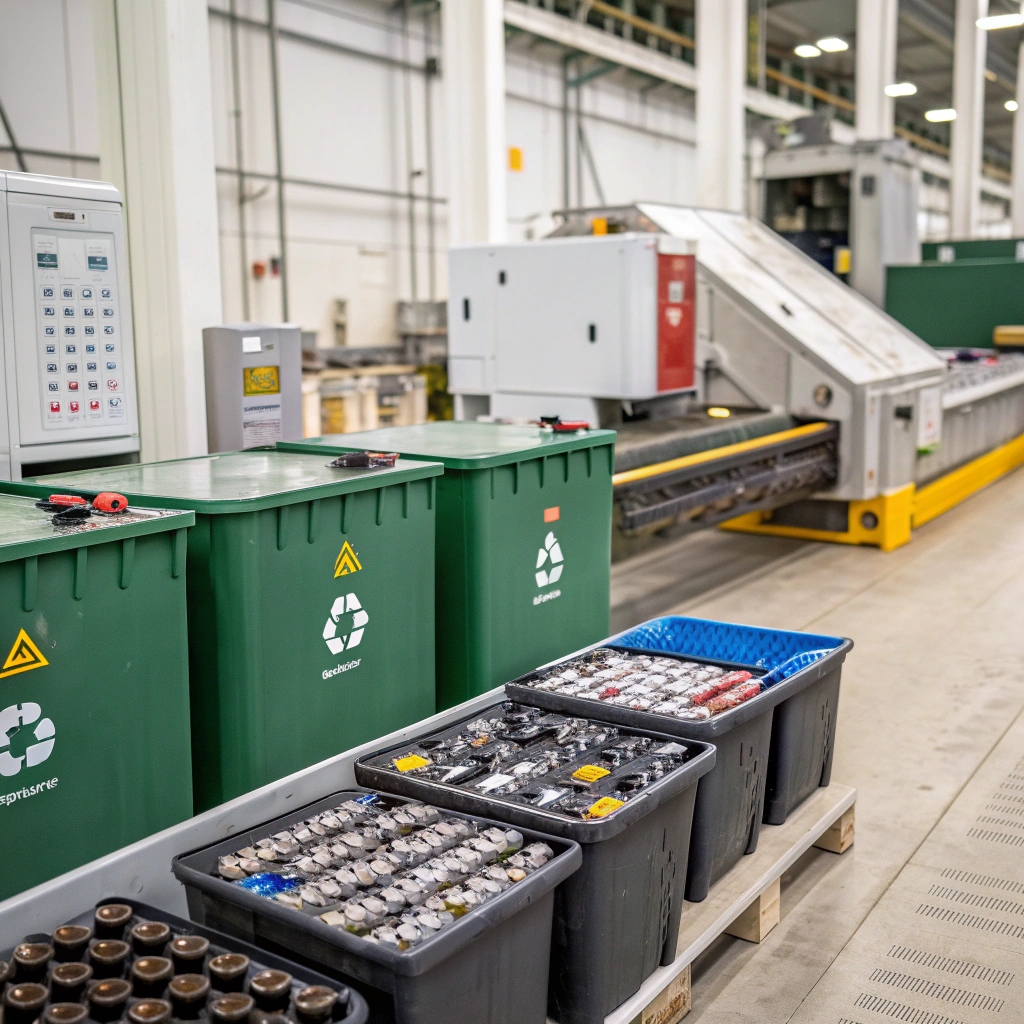
Procesos mecánicos: Entre ellos se incluyen el desmontaje, la trituración o la molienda de los paquetes o módulos de baterías, seguidos de la separación de los materiales por tamaño, densidad, separación magnética o por aire. A menudo, los plásticos, los separadores, las láminas (cobre, aluminio), las carcasas y la masa negra (mezcla de materiales de los electrodos) se separan mecánicamente. Los pasos mecánicos son los primeros pasos esenciales para reducir el volumen y permitir el procesamiento químico posterior. Por ejemplo, los sistemas de reciclaje de GENOX incluyen trituración, secado y separación por aire o a granel para separar la masa negra, el cobre, el aluminio y los plásticos de forma segura.
-
Hidrometalurgia: Tras el pretratamiento mecánico, muchas empresas de reciclaje de baterías de litio recurren a la lixiviación química en soluciones acuosas para disolver los metales de la masa negra. A continuación, estos metales disueltos se precipitan o se separan químicamente por otros medios. La hidrometalurgia puede alcanzar altas tasas de recuperación de litio, cobalto, níquel, etc., y en ocasiones puede hacerlo a temperaturas más bajas que la fusión o la fundición. CATL, a través de Guangdong Brunp, emplea procesos hidrometalúrgicos para extraer no solo cobalto y níquel, sino también litio de las baterías usadas.
-
Pirometalurgia: Implica un tratamiento a alta temperatura (fundición) para recuperar metales. Resulta útil para recuperar cobalto, níquel y cobre, pero puede provocar la pérdida o degradación de ciertos elementos, como el litio, si no se gestiona adecuadamente. Algunas empresas de reciclaje de baterías de litio combinan la pirometalurgia con la hidrometalurgia (o la siguen con esta) para tratar materias primas difíciles. Esto suele requerir más energía y generar más calor y contaminantes, por lo que las empresas que apuestan por la sostenibilidad están reduciendo su dependencia de los procesos puramente pirometalúrgicos.
-
Reciclado directo (o “remanufacturación/recuperación de componentes”): En lugar de descomponerlo todo en metales en bruto, el reciclaje directo tiene como objetivo conservar parte de los materiales de los electrodos (por ejemplo, el cátodo) y regenerarlos o reacondicionarlos. Esto puede reducir el consumo de energía y los costes. Algunas empresas están investigando el reciclaje directo para reconstruir el material del cátodo con menos pasos químicos. También están surgiendo técnicas como la regeneración con sales fundidas o la extracción de “masa negra” con pérdidas mínimas.
-
Procesos innovadores / híbridos / automatizados / de tecnología limpia: A medida que se endurecen las normativas medioambientales y los consumidores exigen operaciones más ecológicas, las empresas de reciclaje de baterías de litio están desarrollando tecnologías más limpias y menos nocivas. Entre los ejemplos se incluyen la lixiviación con base acuosa o “ecológica”, la combinación de robótica y desmontaje automatizado para reducir los riesgos, y las plantas modulares diseñadas para una manipulación más segura de los materiales tóxicos. Aqua Metals, por ejemplo, está trabajando en el reciclaje con base acuosa para evitar las altas emisiones.
A lo largo de todos estos procesos, la seguridad (manejo de componentes tóxicos o inflamables), la eficiencia (maximización del rendimiento de los metales valiosos) y la minimización del impacto medioambiental son factores diferenciadores fundamentales entre las empresas de reciclaje de baterías de litio.
Centros geográficos
¿Dónde se concentran las empresas de reciclaje de baterías de litio y cuáles son los principales centros regionales?
-
China es un centro mundial de fabricación y reciclaje de baterías. Empresas líderes como Ganfeng Lithium, GEM Co., Huayou Cobalt y CATL dominan las cadenas de suministro nacionales e internacionales. China ha desarrollado la capacidad y la infraestructura necesarias para el reciclaje de baterías de potencia y sistemas de almacenamiento de energía.
-
América del Norte (EE. UU., Canadá) está experimentando un rápido aumento de la actividad. Empresas como Li-Cycle (ahora bajo el control de Glencore), Redwood Materials y American Battery Technology Company están ampliando su capacidad para procesar baterías de vehículos eléctricos al final de su vida útil, masa negra y residuos de producción. Estados Unidos cuenta con políticas e incentivos que apoyan la construcción de plantas de reciclaje y la recuperación de materiales en circuito cerrado. Europa se ha convertido en un tema candente, especialmente en la UE, donde la normativa (por ejemplo, la propuesta de Reglamento sobre baterías) exige cada vez más el reciclaje y la reutilización de los materiales críticos de las baterías. Empresas como Umicore, Ascend Elements —en una empresa conjunta con Elemental Strategic Metals— y otras están construyendo plantas en Alemania, Polonia, Finlandia y Bélgica.
-
Otras regiones: Existe cierta actividad en Corea del Sur, Japón y el sudeste asiático, relacionada principalmente con el reciclaje de productos electrónicos, aunque está creciendo el interés por el reciclaje de baterías de vehículos eléctricos. Además, está surgiendo capacidad en América Latina, aunque aún está menos desarrollada. La logística, la normativa y la disponibilidad de materias primas son los principales obstáculos.
-
Centros de equipamiento y tecnología: Algunas empresas, o fabricantes de equipos especializados (para trituradoras de baterías, separadores, componentes de plantas de hidrometalurgia, etc.), tienen su sede en China, Escandinavia y en centros de ingeniería industrial de Alemania y Estados Unidos. Estas empresas prestan apoyo a las empresas de reciclaje de baterías de litio suministrándoles maquinaria esencial.
Acerca de los servicios de reciclaje de baterías
¿Qué servicios suelen ofrecer las empresas de reciclaje de baterías de litio y en qué se diferencian? ¿Qué pueden esperar los clientes?
Recogida y logística: Recogida de baterías usadas procedentes de vehículos, sistemas de almacenamiento de energía y productos electrónicos de consumo. Esto incluye el embalaje y el transporte seguros, así como el cumplimiento de la legislación sobre residuos peligrosos. Algunas empresas ofrecen programas completos de recogida al final de la vida útil o colaboran con fabricantes de automóviles para garantizar los flujos de devolución.
Desmontaje y pretratamiento: Desmontaje manual o automatizado de paquetes o módulos de baterías, retirada de la carcasa, separación de los módulos y clasificación según la composición química (por ejemplo, NMC, LFP, etc.). El pretratamiento también incluye la trituración, la separación de cobre, aluminio y plásticos, así como de los separadores, y la recuperación de la masa negra.
Recuperación de materiales: El servicio principal. Utilización de métodos químicos (hidro/piro), mecánicos o de regeneración directa para extraer metales como el litio, el cobalto, el níquel, el manganeso, el cobre, etc., con un alto grado de pureza. Algunos servicios también recuperan materiales de componentes secundarios o impurezas.
Refinado y purificación: Tras la recuperación en bruto, las empresas llevan a cabo procesos de refinado para producir materiales aptos para baterías: precursores de cátodos, sales de litio y materiales activos. La purificación garantiza que los metales recuperados cumplan las especificaciones de fabricación para su reutilización en baterías o dispositivos electrónicos.
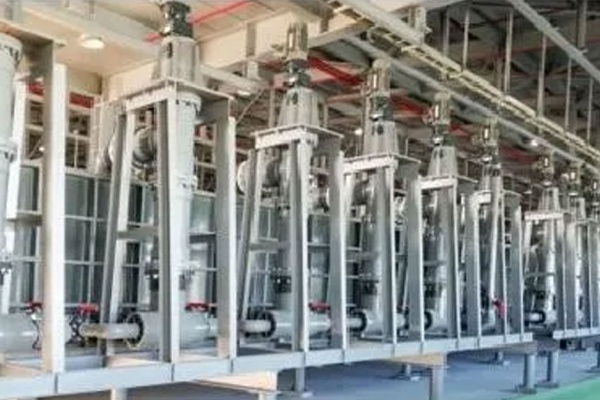
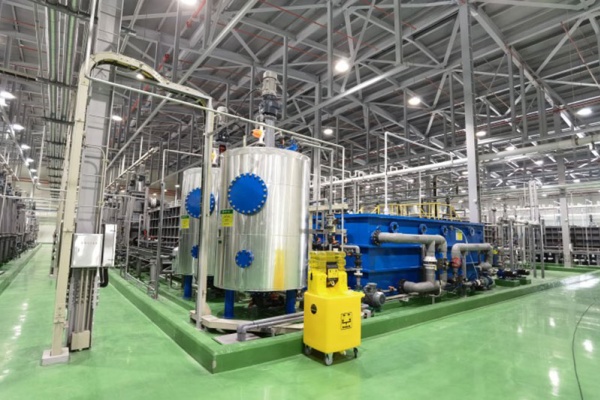
Asistencia en diseño e ingeniería: En el caso de los clientes industriales, las empresas de reciclaje a veces suministran o ayudan a diseñar plantas de reciclaje, equipos y flujos de proceso. Por ejemplo, los fabricantes de equipos de extracción, depósitos de almacenamiento resistentes a la corrosión y sistemas de tratamiento de gases residuales y aguas residuales (como los que ofrece TYIC) forman parte de un ecosistema de servicios más amplio.
Cumplimiento normativo y asesoramiento en materia medioambiental: Dado que el reciclaje de baterías de litio implica el manejo de materiales peligrosos (electrolitos, separadores, metales pesados), las empresas ofrecen servicios de cumplimiento normativo, tratamiento de gases residuales, tratamiento de aguas residuales, eliminación segura, supervisión y auditoría.
Personalización: Las diferentes composiciones químicas de las baterías, las escalas (dispositivos electrónicos pequeños frente a baterías para vehículos eléctricos frente a sistemas de almacenamiento industrial), los marcos normativos regionales y la calidad de las materias primas: todos estos factores exigen ofertas de servicios de reciclaje a medida. Algunas empresas están integradas verticalmente (se encargan desde la recogida hasta la obtención de materiales finales refinados), mientras que otras se centran en una o dos fases.
Servicios posventa / Servicios a lo largo del ciclo de vida: Algunas empresas de reciclaje de baterías de litio ofrecen la reutilización de las baterías antes de su reciclaje (por ejemplo, utilizando baterías de vehículos eléctricos parcialmente degradadas para el almacenamiento de energía estacionario) y/o aportan información para el diseño de las baterías con el fin de facilitar su reciclaje en el futuro.
 Español
  English
  Deutsch
  Français
  Português
  Italiano