
Discarded lithium batteries contain valuable metals, yet unsafe handling can cause fires, toxic emissions, material losses, and rising costs. Effective recycling requires integrated, controlled processing.
Lithium battery recycling is difficult because battery designs, chemistries, and conditions vary. Safe discharge, dismantling, separation, leaching, extraction, purification, and product recovery must work together while controlling fire risks, contamination, emissions, wastewater, and metal losses.
Understanding these challenges explains why successful recycling requires more than one machine or recovery method.
Índice
1. Battery Packs Are Complex and Inconsistent
A lithium battery pack contains:
- Battery cells and modules
- Metal housings
- Copper and aluminum foils
- Plastics and wiring
- Grafito
- Electrolytes
- Active cathode materials
These components are tightly assembled for durability and performance, rather than easy dismantling.
Manufacturers also use different:
- Cell formats
- Pack structures
- Fasteners and welding methods
- Binders
- Safety systems
Cylindrical, prismatic, and pouch cells require different handling methods. Even similar-looking batteries may contain different chemical compositions.
As a result, recycling lines must process highly variable feedstock without reducing safety, throughput, or separation quality.
2. Residual Energy Creates Serious Safety Risks
End-of-life batteries may still retain electrical energy.
Damaged cells can short-circuit during transportation, storage, crushing, or dismantling. This may cause:
- Rapid heating
- Electrolyte leakage
- Toxic smoke
- Fire
- Sobrecalentamiento
Safe processing therefore requires controlled:
- Receiving and inspection
- Isolation and classification
- Electrical discharge
- Dismantling and pretreatment
Temperature, ventilation, dust, and gas emissions must also be carefully managed.
These safety requirements increase equipment investment, monitoring requirements, operational complexity, and processing costs before any valuable metals can be recovered.
3. Battery Chemistry Is Not Standardized
Lithium-ion batteries may contain different cathode chemistries, including:
- Lithium iron phosphate — LFP
- Nickel-cobalt-manganese — NCM
- Nickel-cobalt-aluminum — NCA
- Lithium cobalt oxide — LCO
- Lithium manganese oxide — LMO
- Blended or modified formulations
Each chemistry has a different economic value and may require a different recovery process.
Nickel- and cobalt-rich batteries may justify intensive purification because the recovered metals can have relatively high value. In contrast, lithium iron phosphate batteries contain no nickel or cobalt, which can make recycling economics more challenging.
Mixed feedstock can also change:
- Reagent consumption
- Leaching performance
- Impurity concentrations
- Recovery priorities
- Final product quality
A recycling plant designed for one predictable chemistry may perform poorly when incoming battery materials vary.
Therefore, accurate sampling, sorting, chemical analysis, and flexible process design are essential.
4. Mechanical Separation Has Technical Limits
After discharge and dismantling, batteries may be crushed and separated into:
- Steel
- Aluminio
- Cobre
- Plásticos
- Black mass
However, mechanical separation is rarely perfect.
Coatings, binders, fine particles, and overlapping material properties make complete separation difficult. Copper and aluminum may contaminate downstream recovery processes, while graphite and cathode particles may remain mixed.
Plastics and separators can also trap valuable active materials.
The crushing process must therefore be carefully controlled:
- Excessive crushing creates fine dust and increases material losses.
- Insufficient crushing leaves valuable materials locked inside larger particles.
Mechanical treatment can concentrate recoverable materials, but chemical processing is normally required to separate nickel, cobalt, manganese, lithium, and other elements to usable purity levels.
5. Chemical Recovery Requires Precise Process Control
Hydrometallurgical lithium battery recycling may include:
- Lixiviación
- Solid-liquid separation
- Eliminación de impurezas
- Extracción con disolventes
- Intercambio iónico
- Precipitación
- Evaporación
- Cristalización
- Electrowinning
Each stage directly affects the performance of the next stage.
Incomplete leaching leaves valuable metals in solid residues. Overly aggressive leaching conditions may dissolve excessive impurities and increase downstream purification requirements.
During solvent extraction, several operating parameters must be carefully controlled:
- pH
- Temperatura
- Organic-to-aqueous phase ratio
- Mixing intensity
- Residence time
- Phase-separation performance
Poor process control may cause emulsification, entrainment, extractant losses, reduced selectivity, unstable operation, and inconsistent product quality.
TYIC’s documented technical capabilities cover process routes including dismantling, crushing, roasting, leaching, extraction, evaporation, crystallization, electrowinning, and precipitation.
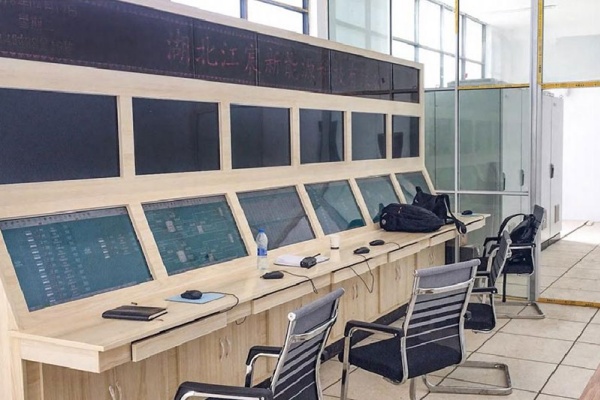
Its engineering services also include process selection, equipment design, workshop layout, automation, commissioning support, and operator training.
6. Metal Recovery Does Not Guarantee Battery-Grade Purity
Recovering a metal is not the same as producing a battery-grade material.
Recovered nickel, cobalt, manganese, and lithium products must meet strict requirements for:
- Chemical purity
- Particle consistency
- Moisture content
- Trace-metal contamination
- Product stability
Even small quantities of iron, copper, aluminum, sodium, calcium, magnesium, or organic residues may reduce the suitability of recovered materials for battery production.
Achieving higher purity may require:
- Multiple selective extraction stages
- Precise reagent dosing
- Stable process conditions
- Clean production equipment
- Materiales resistentes a la corrosión
- Reliable online monitoring
Every additional purification step may increase chemical consumption, energy use, wastewater generation, processing time, and operating cost.
7. Environmental Treatment Is Part of the Recycling Process
Battery recycling may generate:
- Acidic or alkaline wastewater
- Metal-bearing residues
- Dust
- Niebla ácida
- Organic gases
- Volatile electrolyte emissions
These waste streams must be collected, treated, and monitored. Otherwise, recycling may simply transfer pollution from discarded batteries into wastewater, air emissions, or hazardous residues.
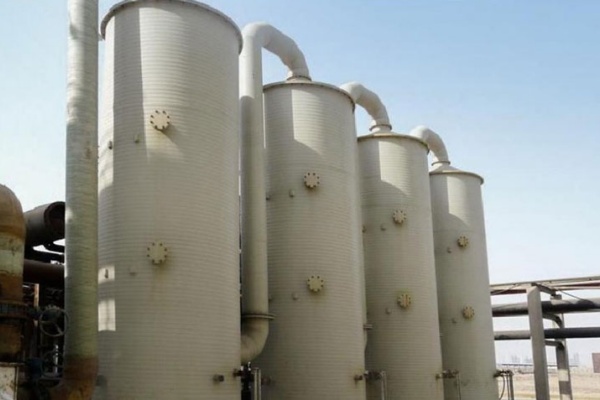
TYIC’s technical information includes waste-gas treatment processes such as:
- Lavado alcalino
- Lavado con agua
- Eliminación de la niebla
- Adsorption
- Regeneration
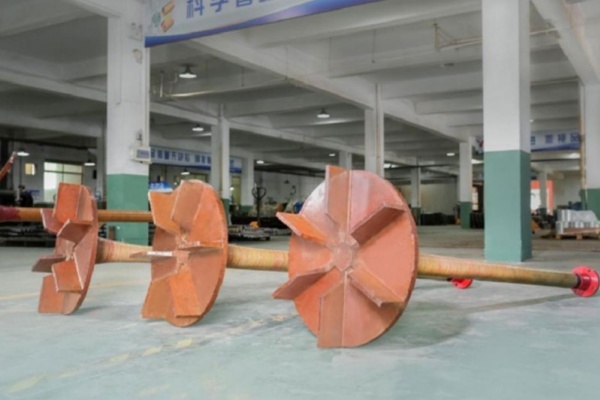
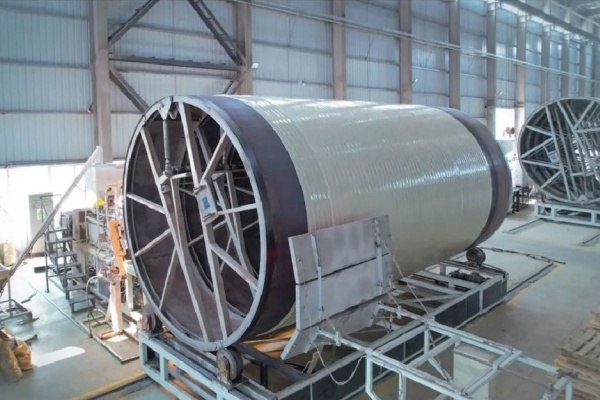
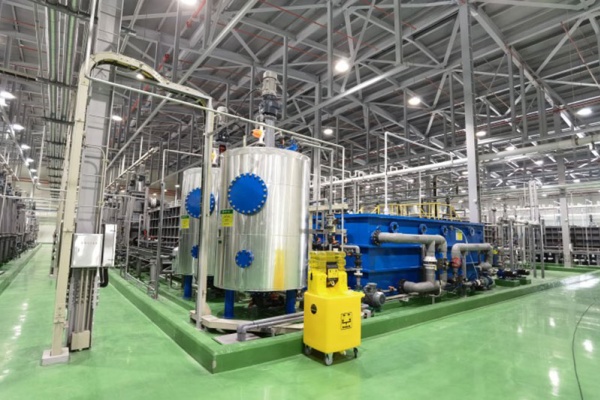
The company also provides corrosion-resistant tanks, extraction equipment, oil-removal systems, and wastewater and waste-gas treatment solutions.
Integrating these systems with the recycling line supports stable operation, worker safety, and environmental compliance.
8. Recycling Economics Depend on Feedstock and Scale
The profitability of lithium battery recycling depends on several factors:
- Química de la batería
- Metal market prices
- Transportation distance
- Feedstock availability
- Plant utilization rate
- Eficacia de la recuperación
- Reagent consumption
- Energy demand
- Final product purity
Irregular battery supply or poorly sorted feedstock can reduce equipment utilization and increase processing costs.
A technically feasible recovery process may still be commercially weak when the feedstock contains low-value materials, excessive contamination, or unpredictable chemistry.
Therefore, successful recycling requires more than recovery technology. It also depends on efficient logistics, reliable supply, flexible equipment, stable production, and high recovery performance.
9. Integrated Engineering Makes Recycling Practical
Lithium battery recycling is difficult because safety, mechanical separation, chemical recovery, environmental treatment, and economic performance are closely connected.
Improving only one stage rarely solves the entire problem.
A practical recycling project requires coordinated:
- Diseño del proceso
- Selección de equipos
- Selección de materiales resistentes a la corrosión
- Workshop layout optimization
- Automated control
- Wastewater and waste-gas treatment
- Instalación y puesta en marcha
- Formación de operadores
An integrated engineering approach reduces interface problems between process stages and allows the recycling line to match the customer’s:
- Feedstock composition
- Target products
- Production capacity
- Condiciones del emplazamiento
- Environmental requirements
- Operational objectives
Lithium battery recycling succeeds when safe handling, selective separation, high-purity recovery, environmental control, and integrated engineering operate as one coordinated system.
 Español
  English
  Deutsch
  Français
  Português
  Italiano