
Les entreprises de recyclage de batteries sont confrontées à un durcissement des réglementations mondiales. De faibles taux de récupération, une traçabilité insuffisante ou le non-respect des normes environnementales peuvent retarder les projets et restreindre l'accès au marché. La conception de processus axée sur la conformité permet de réduire ces risques.
La réglementation mondiale en matière de recyclage des batteries évolue, passant d’un traitement de base des déchets vers une approche axée sur la circularité des ressources. L’Union européenne met l’accent sur l’efficacité du recyclage et la récupération des métaux critiques, la Chine renforce la traçabilité tout au long du cycle de vie et la responsabilité en matière de recyclage, tandis que les États-Unis se concentrent sur le contrôle des déchets dangereux et des transports. La stabilité des performances de récupération, la maîtrise de la pollution et la traçabilité des opérations deviennent des éléments essentiels pour les projets internationaux de recyclage des batteries.
Malgré des différences régionales, la tendance est la même : récupérer davantage de matières premières de valeur tout en réduisant les risques environnementaux et opérationnels.
Table des matières
Pourquoi la réglementation en matière de recyclage des batteries se durcit-elle ?
À mesure que les véhicules électriques et les systèmes de stockage d’énergie se généralisent, un nombre croissant de batteries lithium-ion arrive en fin de vie.
L'attention des autorités réglementaires ne se limite donc plus à la simple élimination des déchets, mais s'oriente désormais vers :
- Récupération du lithium, du nickel, du cobalt, du cuivre et du manganèse
- Prévention de la pollution de l'environnement
- Sécurité incendie et sécurité opérationnelle
- Traçabilité des batteries et des matériaux
- Responsabilité élargie du producteur
- Contrôle transfrontalier des déchets
Pour les entreprises de recyclage, ces exigences ont une incidence directe sur conception des procédés, choix des équipements, agencement de l'usine, extraction par solvant, traitement des eaux usées, contrôle des gaz résiduaires, gestion des résidus et registres de production.
Un centre de recyclage moderne ne se contente donc pas d'une simple capacité de traitement. Il doit faire preuve de un rendement de récupération élevé, un fonctionnement stable, un contrôle des conditions environnementales et des flux de matières vérifiables.
Union européenne : une réglementation axée sur les objectifs de relance
Le règlement de l'UE sur les batteries, Règlement (UE) n° 2023/1542, définit des exigences relatives à la production, à la collecte, au traitement, au recyclage, à la valorisation des matériaux et à la teneur en matériaux recyclés des batteries.
Pour les batteries au lithium, le taux de recyclage doit atteindre :
- 65% d'ici fin 2025
- 70% d'ici fin 2030
Le règlement fixe également des objectifs de valorisation pour chaque métal.
D'ici fin 2027
- Cobalt : 90%
- Cuivre : 90%
- Nickel : 90%
- Lithium : 50%
D'ici fin 2031
- Cobalt : 95%
- Cuivre : 95%
- Nickel : 95%
- Lithium : 80%
Ces exigences accordent une plus grande importance à traitement hydrométallurgique efficace, extraction sélective, élimination des impuretés et séparation stable des métaux.
Dans les usines de recyclage, l'efficacité de la lixiviation, les étapes d'extraction, les rapports de phases, la purification, la cristallisation, l'électro-extraction et la gestion des liqueurs mères peuvent tous influencer le rendement final de récupération.
TYIC : Récupération globale modérée, supérieure à 95%
Alors que les réglementations internationales continuent de renforcer les exigences en matière de valorisation des matériaux, Le taux de récupération est devenu un indicateur technique clé pour les projets de recyclage des batteries au lithium en fin de vie..
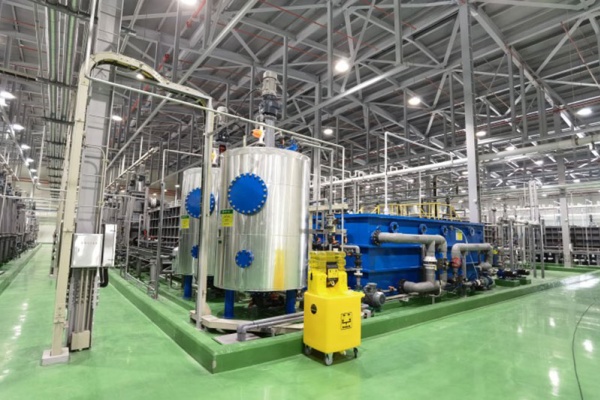
TYIC possède une expérience dans la conception de procédés et de systèmes à l'échelle industrielle destinés à la récupération du lithium, du nickel, du cobalt, du manganèse et d'autres métaux précieux issus de batteries au lithium hors d'usage.
Dans le cadre du processus de recyclage actuellement mis en place par TYIC :
- Le taux global de récupération, estimé de manière prudente, des batteries au lithium usagées peut dépasser 95%.
- Le taux de récupération du nickel peut atteindre 99%
- Le taux de récupération du cobalt peut atteindre 99%
Ces résultats dépendent du fonctionnement coordonné de l'ensemble du procédé hydrométallurgique plutôt que d'un seul équipement.
Un processus type peut comprendre :
Lixiviation → Élimination des impuretés → Extraction par solvant → Séparation du nickel, du cobalt et du manganèse → Récupération du lithium → Cristallisation ou électro-extraction → Traitement de la liqueur mère → Traitement des eaux usées et des gaz résiduaires
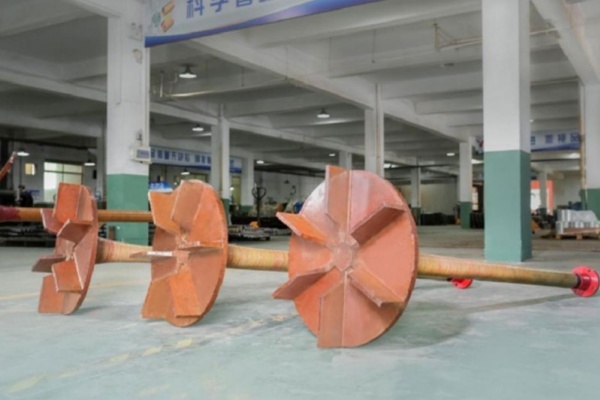
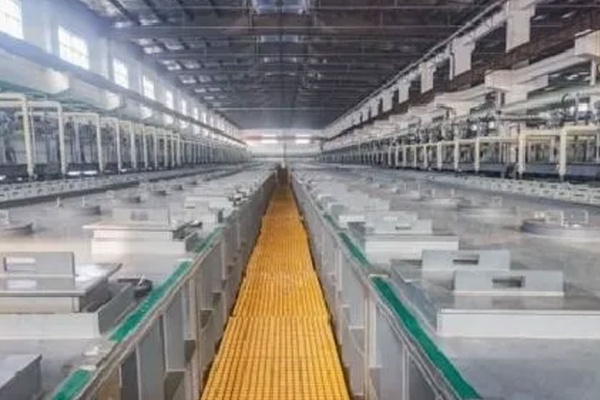
Parmi ces étapes, L'extraction par solvant revêt une importance particulière pour la séparation du nickel et du cobalt, la pureté du produit, le rendement de récupération et la stabilité du fonctionnement en continu..
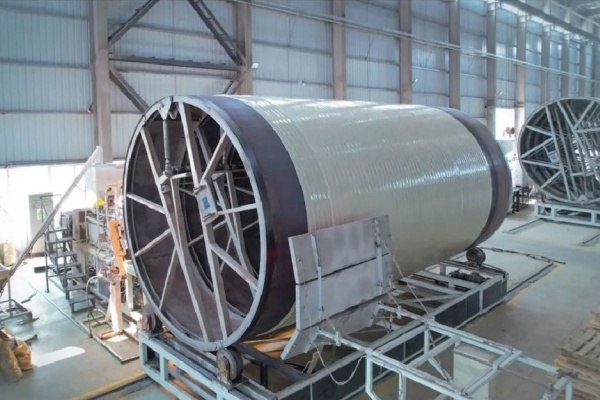
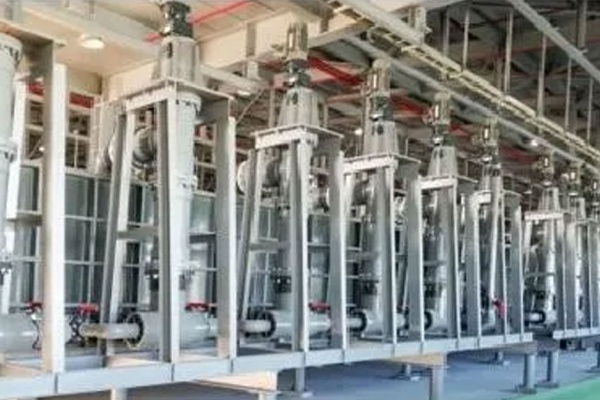
TYIC est en mesure d'optimiser les étapes d'extraction, les rapports de phases, les configurations des équipements, l'agencement des canalisations et les systèmes d'automatisation en fonction de la composition de la charge, de la capacité de production et des produits cibles.
Chine : traçabilité tout au long du cycle de vie et responsabilité en matière de recyclage
La Chine continue de renforcer la gestion des batteries usagées issues du secteur de l'énergie grâce à une réglementation mettant l'accent sur gestion sur l'ensemble des canaux, de la chaîne logistique et du cycle de vie complet.
Les informations relatives à la batterie peuvent être suivies sur :
Production → Utilisation des véhicules → Entretien → Remplacement → Démantèlement → Recyclage → Valorisation globale
Pour les entreprises de recyclage, la mise en conformité implique de plus en plus :
- Identification et traçabilité des batteries
- Procédures standardisées de réception
- Stockage contrôlé
- Récupération stable des métaux
- Installations de contrôle de la pollution
- Traitement des eaux usées et des gaz résiduaires
- Records de production
- Gestion des résidus conforme à la réglementation
Cela signifie que Les technologies de recyclage, les systèmes environnementaux et la gestion numérique doivent être pris en compte conjointement lors de la conception des installations..
États-Unis : Contrôles relatifs aux déchets dangereux et à leur transport
Les États-Unis ont mis en place un cadre réglementaire différent.
Plutôt que de s'appuyer sur une réglementation unique régissant le cycle de vie des batteries, le recyclage des batteries au lithium est régi par les exigences fédérales en matière de déchets dangereux, les réglementations relatives au transport et les règles supplémentaires au niveau des États.
Les piles au lithium usagées peuvent être considérées comme des déchets dangereux en raison de caractéristiques telles que inflammabilité et réactivité.
Les projets de recyclage des batteries doivent donc tenir compte des éléments suivants :
- Stockage sûr des batteries
- Prévention des risques d'incendie
- Gestion des déchets dangereux
- Emballage et transport
- Traitement « Black Mass »
- Émissions dans l'environnement
- Exigences propres à chaque État
Pour les projets aux États-Unis, La sécurité et la protection de l'environnement sont donc tout aussi importantes que le rendement de la récupération des métaux.
Le recyclage transfrontalier et la Convention de Bâle
Les chaînes d'approvisionnement internationales en matière de recyclage des batteries peuvent impliquer des transferts transfrontaliers de batteries usagées, d'équipements contenant des batteries, de « black mass » ou d'autres matériaux intermédiaires.
Selon la classification, le Convention de Bâle peuvent nécessiter une notification préalable, une autorisation réglementaire, un consentement écrit, des documents relatifs au transport et la confirmation du traitement final.
Les entreprises doivent déterminer si un envoi relève légalement de l'une des catégories suivantes :
Un produit, un matériau réutilisable, un produit intermédiaire recyclable, un déchet dangereux ou toute autre catégorie de déchets soumis à un régime de contrôle.
Une classification correcte permet de réduire les retards douaniers, les envois refusés, les sanctions réglementaires et les perturbations de la chaîne d'approvisionnement.
En quoi les taux de récupération élevés dépendent de la conception technique
L'ajout d'une seule machine ne suffit pas pour obtenir un rendement élevé en matière de récupération. Cela nécessite une ingénierie des procédés coordonnée.
1. Lixiviation
Une lixiviation efficace permet de mettre les métaux précieux en solution et jette les bases de leur récupération en aval.
2. Purification
La teneur en fer, en aluminium, en cuivre et en autres impuretés est contrôlée avant l'extraction et la séparation.
3. Extraction par solvant
Des agents d'extraction, des rapports de phases et des étapes d'extraction optimisés permettent séparation à haute sélectivité du nickel, du cobalt, du manganèse et d'autres métaux.
4. Récupération du lithium
Les procédés de concentration, de précipitation ou de cristallisation du lithium peuvent être optimisés en fonction de la composition de la solution.
5. Traitement environnemental
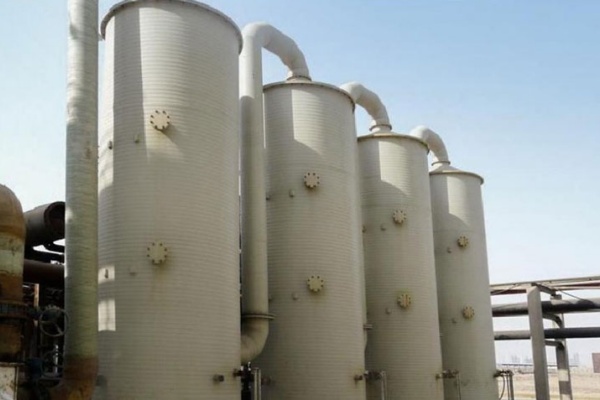
Les eaux usées, les liquides de process, les gaz acides ou alcalins et les résidus nécessitent un traitement coordonné.
6. Automatisation
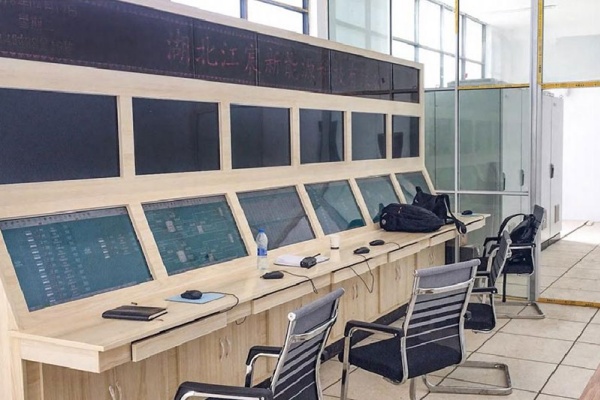
La surveillance des processus, le contrôle des débits, la régulation du niveau des liquides et la gestion des données de production permettent de transformer les taux de récupération théoriques en des résultats d'exploitation industriels stables.
De la conformité réglementaire à la valorisation des ressources
TYIC fournit conception des procédés, équipements d'extraction, agencement de l'usine, ingénierie des canalisations, automatisation électrique, conseils pour l'installation, assistance à la mise en service et systèmes de traitement environnemental pour des projets de recyclage de batteries.
Pour les entreprises internationales de recyclage, le respect de la réglementation n'est qu'un point de départ. Le fait d'atteindre un taux de récupération élevé et constant du nickel, du cobalt, du lithium et d'autres matériaux précieux permet d'améliorer à la fois l'utilisation des ressources et la compétitivité à long terme du projet.
Le recyclage mondial des batteries dépend de plus en plus de taux de récupération élevés, traçabilité tout au long du processus, respect des normes environnementales et stabilité de l'exploitation industrielle.
 Français
  English
  Deutsch
  Português
  Español
  Italiano