
La purification des métaux est une étape critique dans les industries de la métallurgie et du recyclage. Pourtant, nombreux sont ceux qui se demandent encore comment obtenir un métal de haute pureté de manière efficace et rentable. Cet article explore la nature de la purification des métaux, ses différentes méthodes, les différences selon le type de métal, son impact sur la qualité et la valeur des métaux recyclés, ainsi que les tendances émergentes en matière de technologies de purification. Des entreprises comme Hangzhou Tianyicheng New Energy Technology Co, Ltd. (TYIC) jouent un rôle clé en fournissant des systèmes environnementaux et de purification avancés et personnalisés pour les applications industrielles.
Qu'est-ce que la purification des métaux ?
La purification des métaux fait référence aux processus et techniques appliqués pour éliminer les impuretés - telles que les autres éléments, les oxydes, les inclusions non métalliques et les contaminants à l'état de traces - de la matière première des métaux ou des alliages métalliques ou de la matière première recyclée, afin d'atteindre le niveau souhaité de pureté, de performance et de cohérence. Cela permet de s'assurer que le métal répond aux spécifications en matière de résistance mécanique, de conductivité, de résistance à la corrosion ou de traitement en aval. La purification est essentielle dans les industries de l'électronique, de l'aérospatiale et du recyclage des batteries, où les impuretés, même à l'état de traces, peuvent dégrader les performances.
Quelles sont les méthodes de purification des métaux ?
La purification des métaux nécessite souvent plusieurs processus complémentaires. Les principales méthodes utilisées dans la métallurgie et le recyclage sont les suivantes :
Procédés pyrométallurgiques
-
Fonte et affinage
-
Distillation
-
Électroaffinage à haute température
Procédés hydrométallurgiques
-
Lixiviation
-
Extraction par solvant
-
Précipitation / cimentation
Méthodes électrochimiques
-
Injection électrolytique / dépôt électrolytique
-
Électro-raffinage
Autres méthodes
-
Affinage de zone / fusion de zone
-
Raffinage / dégazage sous vide
-
Raffinage chimique / chloration
-
Séparation physique (magnétique, gravité, filtration)
Que signifie nettoyer et affiner les métaux ?
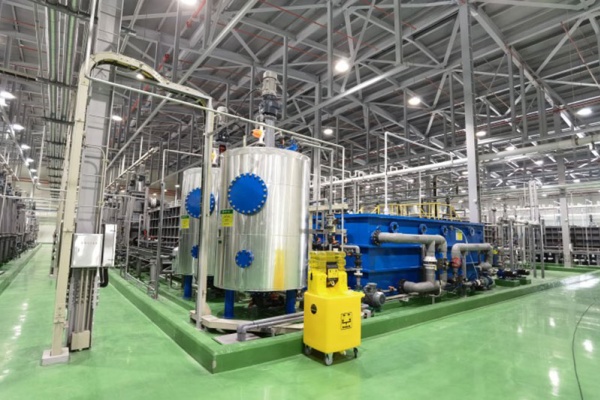
Le nettoyage et l'affinage des métaux sont des étapes différentes de la purification. Les systèmes TYIC prennent en charge les deux processus grâce à des configurations modulaires :
-
Nettoyage implique un traitement de surface (par exemple, lavage à l'acide, dégraissage, élimination du tartre).
-
Raffinage vise une purification interne (par exemple, élimination des inclusions, des gaz dissous, des impuretés métalliques).
Dans de nombreuses installations TYIC, les clients bénéficient de stations de pré-nettoyage qui préparent les matières premières pour les étapes de raffinage avancées, en particulier dans les processus de recyclage impliquant des déchets complexes ou contaminés.
Quelles sont les techniques de purification utilisées pour les différents types de métaux ?
Parce que les différents métaux ont des comportements uniques, TYIC permet de personnaliser le système en fonction du matériau. Voici quelques exemples :
-
Cuivre/Nickel/Cobalt: Systèmes intégrés d'extraction de solvants et d'électroraffinage.
-
Aluminium et alliages: Réservoirs de dégazage sous vide et traitement des flux.
-
Métaux du lithium et des piles: Systèmes de déshuilage à micro-interface et colonnes d'extraction pour purifier les flux de lixiviat.
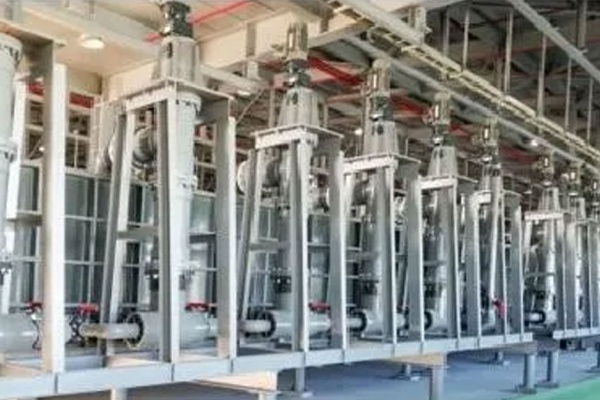
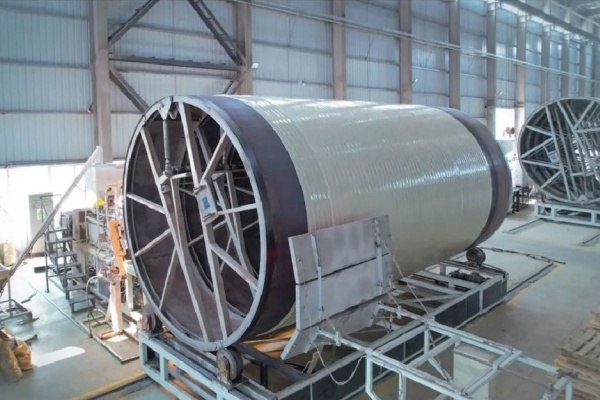
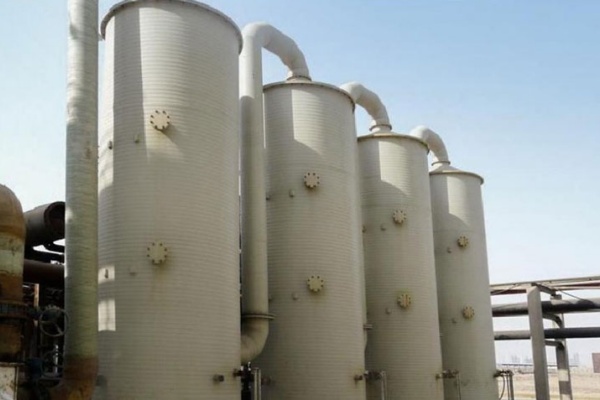
L'expertise de TYIC dans la conception de réservoirs résistants à la corrosion, d'extracteurs de précision et de systèmes de séparation hybrides permet de respecter les normes strictes en matière de matériaux de batteries, de métallurgie et de traitement chimique.
Quel est l'impact de la purification sur la qualité et la valeur du métal recyclé ?
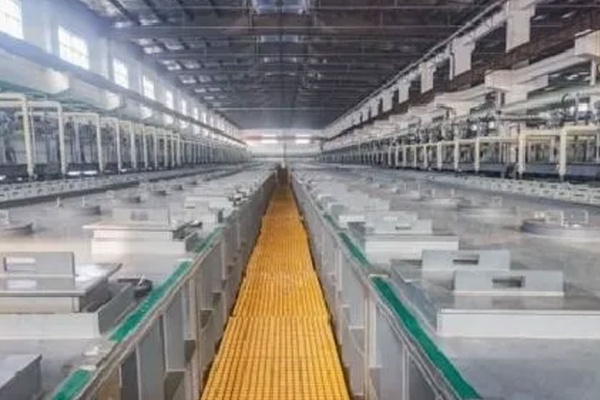
La profondeur et l'efficacité de la purification des métaux influencent directement les possibilités de commercialisation et les performances des métaux recyclés. L'équipement d'extraction à haut rendement de TYIC permet :
-
Pureté améliorée pour les applications de haut niveau
-
Amélioration de la valeur du produit final et de la compétitivité des prix
-
Soutien aux objectifs ESG des clients grâce à des pratiques durables
Cette technologie minimise la contamination, assure la stabilité du processus et permet de rentabiliser et d'améliorer les rendements pour des clients tels qu'EcoPro, GEM Co. et Ganfeng Lithium.
L'avenir de la purification des métaux recyclés
L'accent étant mis sur le développement durable, les technologies de purification des métaux progressent rapidement. TYIC investit dans des innovations telles que
-
Systèmes automatisés d'extraction de solvants
-
Réservoirs résistants à la corrosion pour le raffinage sous vide et le raffinage chimique
-
Des solutions chimiques respectueuses de l'environnement qui réduisent les déchets secondaires
Les tendances futures abordées par TYIC sont les suivantes :
-
Systèmes modulaires de purification sur site pour le recyclage des piles
-
Systèmes hybrides hydrométallurgiques-pyrométallurgiques
-
Détection des impuretés et optimisation des processus basées sur l'IdO
Conclusion
La purification des métaux est le processus clé qui transforme le minerai impur ou la ferraille en métal utilisable de haute qualité. Grâce à des leaders industriels comme Hangzhou Tianyicheng New Energy Technology Co., Ltd. qui favorisent l'innovation technologique et l'intégration des systèmes, les secteurs industriels peuvent mettre en place des chaînes d'approvisionnement en métaux plus propres, plus efficaces et plus durables.
 Français
  English
  Deutsch
  Português
  Español
  Italiano