
Table des matières
Surveillance et gestion de l'environnement dans les mines de lithium
Dans l'extraction du lithium pour la production de piles - en particulier pour la demande en croissance rapide de la chaîne d'approvisionnement "Extraction de piles au lithium" - le déploiement d'outils et de systèmes de surveillance environnementale robustes est essentiel.
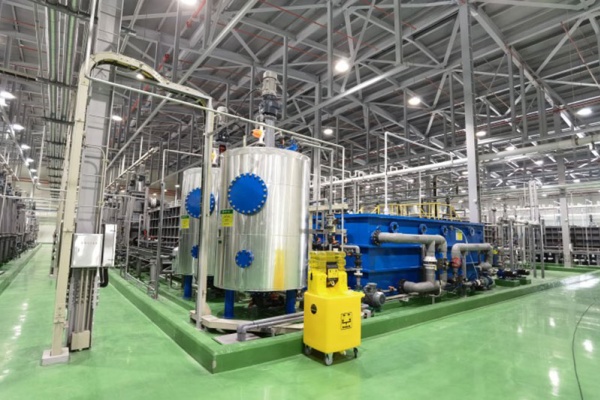
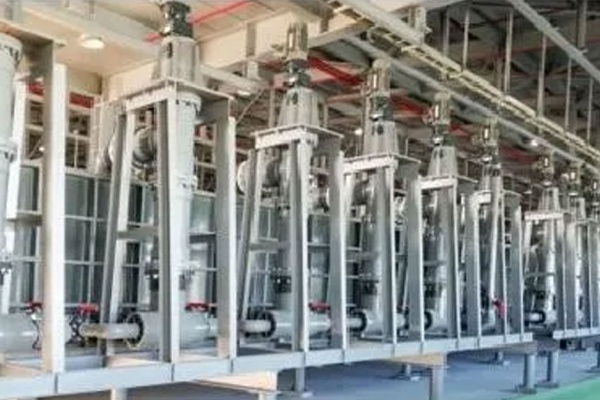
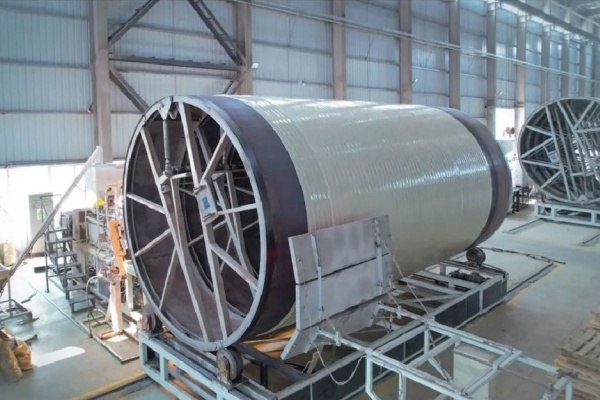
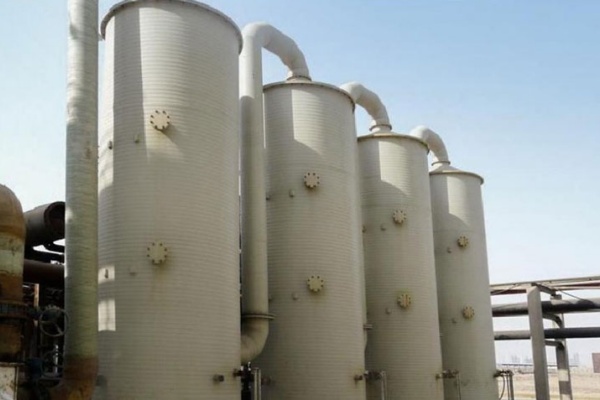
Des entreprises telles que Hangzhou Tianyicheng New Energy Technology Co, Ltd. (TYIC), qui conçoivent, fabriquent et installent des équipements d'extraction et de protection de l'environnement (notamment des systèmes de traitement des gaz résiduels, des systèmes de traitement des eaux usées et des réservoirs de stockage résistant à la corrosion), sont bien placées pour aider les entreprises d'extraction et de transformation à mettre en place des systèmes complets de gestion de l'environnement.
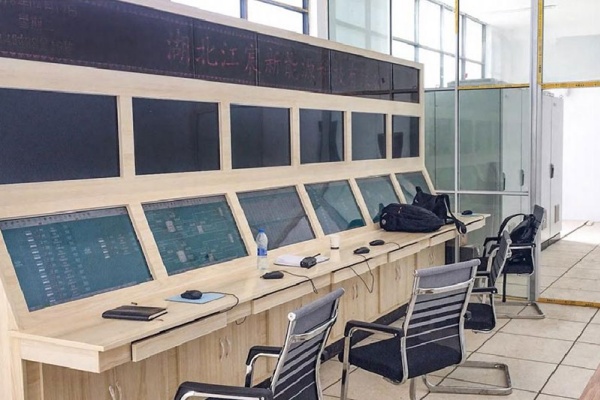
Ces systèmes comprennent la surveillance en temps réel de la consommation d'eau, des rejets d'effluents, des émissions atmosphériques et des perturbations du sol. Par exemple, des capteurs automatisés peuvent détecter les niveaux de rejet de métaux lourds ou les changements de pH dans les masses d'eau environnantes, tandis que l'imagerie par satellite ou par drone peut suivre les changements d'utilisation des sols et de topographie pour s'assurer que les entreprises restent dans les limites de l'environnement.
Les outils d'évaluation du cycle de vie intègrent désormais des paramètres allant de l'extraction du lithium à la production de batteries, ce qui permet aux entreprises d'évaluer les impacts environnementaux tout au long de la chaîne d'approvisionnement. Les systèmes de transparence - suivi numérique de l'utilisation de l'eau, des émissions et des résidus - deviennent la norme pour les principaux acheteurs.
Pour les clients de TYIC dans le recyclage des batteries, le traitement des métaux et la fabrication de produits chimiques, l'équipement d'extraction doit s'aligner sur ces cadres, en soutenant la conformité avec les normes internationales. Les outils environnementaux ne sont plus optionnels, ils sont fondamentaux pour la chaîne de valeur des batteries au lithium.
Quelle est la quantité de dioxyde de carbone émise par les différentes méthodes d'extraction du lithium ?
Les émissions de dioxyde de carbone (CO₂) liées à la production de lithium varient considérablement en fonction de la méthode d'extraction. La production d'une tonne de lithium par extraction en roche dure peut émettre jusqu'à 15 tonnes d'équivalent CO₂.
Cette méthode implique des processus à forte intensité énergétique tels que le forage, le dynamitage, le concassage, le grillage (par exemple, du spodumène) et la lixiviation chimique. Ces étapes dépendent fortement de l'électricité et des transports à base de combustibles fossiles.
En revanche, l'extraction de saumure - courante dans le Triangle du lithium - utilise le pompage et l'évaporation, ce qui consomme beaucoup d'eau et d'énergie, mais se traduit généralement par des émissions de CO₂ plus faibles. Cependant, la transformation du lithium en composés de qualité batterie tels que le carbonate ou l'hydroxyde de lithium contribue souvent davantage aux émissions que l'exploitation minière elle-même.
Pour TYIC, qui fournit des systèmes d'extraction, des réservoirs de stockage et des unités de traitement des eaux usées, il est essentiel de comprendre ces différences. L'équipement doit permettre l'intégration d'une énergie à faible teneur en carbone, une séparation efficace des processus et des systèmes de traitement des eaux usées économes en énergie.
Le choix des matériaux, l'agencement des équipements et la durabilité influencent tous les deux les émissions et l'impact sur l'environnement. Les clients exigent de plus en plus des solutions respectueuses de l'environnement qui s'intègrent dans des stratégies plus larges de réduction des émissions.
Faire progresser les technologies d'extraction du lithium plus propres
Le concept de "lithium vert" progresse rapidement. L'extraction directe de lithium (DLE) et d'autres technologies modernes sont développées pour minimiser les impacts environnementaux tels que la consommation d'eau, les déchets chimiques et la perturbation des sols.
Le DLE utilise des techniques sélectives (adsorption, membranes, extraction par solvant ou échange d'ions) pour extraire le lithium de manière plus propre. Cela permet souvent d'éviter l'utilisation de grands bassins d'évaporation et de réduire l'empreinte écologique en permettant la réinjection de la saumure traitée dans les aquifères.
Ces méthodes promettent des avantages considérables en termes de durabilité, mais elles se heurtent à des difficultés liées à l'évolutivité, au coût et à la compatibilité avec différents types de ressources. Malgré cela, la tendance du marché est claire : le lithium plus vert et plus propre est en demande.
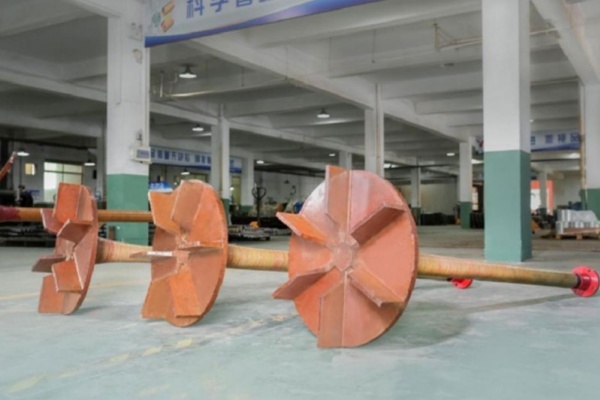
TYIC a la possibilité de soutenir cette transition en fournissant des systèmes sur mesure pour l'extraction avancée. Les unités de mélange à haut rendement, les réservoirs résistants à la corrosion pour la saumure et les produits chimiques, et les systèmes de traitement des eaux usées adaptés aux nouvelles chimies sont de plus en plus demandés.
De plus, les services EPC de TYIC offrent une livraison complète du projet, de la conception à l'installation, ce qui en fait un partenaire stratégique pour les usines de production de lithium prêtes pour l'avenir.
Transformer l'exploitation minière du lithium : Des solutions durables pour l'avenir
La demande de lithium, stimulée par les véhicules électriques, le stockage en réseau et l'électronique, augmente rapidement. Toutefois, les préoccupations environnementales liées à l'utilisation de l'eau, à la dégradation des sols et à l'élimination des produits chimiques restent sérieuses.
La bonne nouvelle : une conception efficace, l'innovation en matière d'équipement et l'intégration environnementale peuvent réduire ces impacts de manière significative.
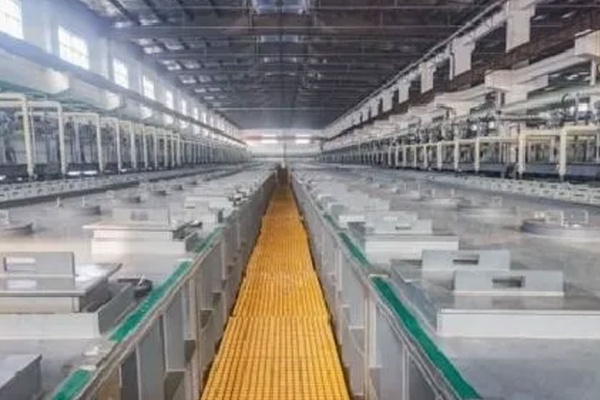
Les principales offres de TYIC - réservoirs résistants à la corrosion, systèmes de mélange avancés, agencements modulaires et unités de traitement des eaux usées - répondent directement à ces défis. Les stratégies d'exploitation durable du lithium comprennent désormais
-
Réduction de la consommation d'eau douce grâce au recyclage et à la réinjection de saumure
-
Utilisation de moteurs à haut rendement énergétique et de sources d'énergie renouvelables
-
Des équipements compacts et modulaires pour minimiser l'impact sur le sol
-
Intégration complète du traitement des eaux usées pour la conformité réglementaire
-
Livraison d'un système clé en main aligné sur les objectifs de l'ESG
En tant que fabricant et fournisseur de systèmes, TYIC aide les grandes entreprises du secteur des batteries et de l'environnement, notamment EcoPro en Corée du Sud, à atteindre leurs objectifs environnementaux et opérationnels tout en maintenant des normes de performance et de qualité.
Conclusion
Si l'extraction des batteries au lithium est vitale pour la transition énergétique, les pratiques minières durables sont essentielles. Grâce à des équipements de pointe et des systèmes intégrés, TYIC permet une production de lithium plus propre et plus efficace pour le marché mondial.
 Français
  English
  Deutsch
  Português
  Español
  Italiano