
Battery waste is rising rapidly. Poor recycling systems increase environmental risks, regulatory pressure, and resource shortages. Businesses need efficient recycling solutions to recover valuable metals and maintain sustainable operations.
Lithium battery recycling helps businesses recover valuable materials such as lithium, nickel, cobalt, and manganese while reducing environmental impact. Advanced recycling systems improve resource efficiency, lower production costs, support ESG goals, and ensure compliance with environmental regulations. Companies investing in reliable recycling equipment and customized treatment solutions can strengthen long-term competitiveness in the growing clean energy market.
🚀 As global demand for electric vehicles and energy storage expands, efficient battery recycling has become essential for sustainable industrial growth.
Table des matières
Why Lithium Battery Recycling Matters
The rapid expansion of the electric vehicle and energy storage industries has significantly increased the number of spent lithium-ion batteries worldwide. Improper disposal of these batteries can lead to environmental pollution, safety hazards, and the loss of valuable metal resources. For businesses operating in the new energy sector, establishing efficient recycling systems is no longer optional — it is a strategic necessity.
✅ Lithium battery recycling enables companies to recover high-value metals including:
- Lithium
- Nickel
- Cobalt
- Copper
- Manganese
These materials can be reintroduced into the supply chain, reducing dependence on raw material mining and stabilizing production costs. In addition, governments across Europe, North America, and Asia are strengthening environmental regulations, making compliant recycling systems increasingly important for industrial manufacturers.
Key Challenges in Lithium Battery Recycling
Although battery recycling offers substantial opportunities, many businesses still face operational and technical challenges.
Complex Material Separation
Lithium-ion batteries contain multiple layers of metals, plastics, electrolytes, and chemical compounds. Efficiently separating these materials requires advanced extraction and purification technologies. Low-efficiency systems often result in poor recovery rates and increased operational expenses.
Environmental Compliance Pressure
Battery recycling processes may generate:
- Wastewater
- Waste gas
- Hazardous residues
Without proper environmental treatment systems, companies risk regulatory penalties and environmental liabilities. Sustainable operations require integrated wastewater treatment and waste gas purification solutions.
Equipment Durability
Battery recycling environments are highly corrosive due to chemical exposure during extraction and treatment processes. Standard equipment may experience rapid wear, leakage, or operational failure. Businesses need corrosion-resistant systems designed for long-term industrial use.
Essential Technologies for Efficient Recycling
Modern lithium battery recycling relies on advanced engineering technologies to improve recovery efficiency and environmental performance.
Extraction Systems
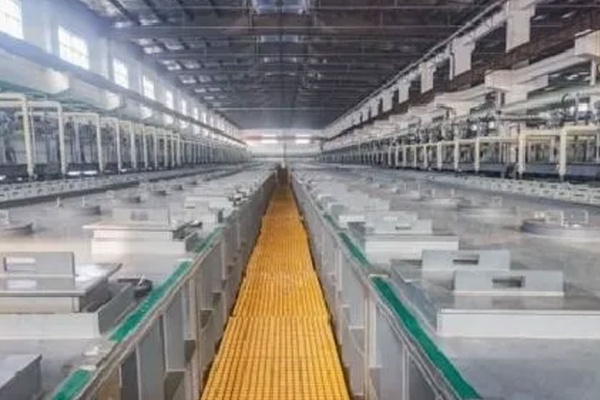
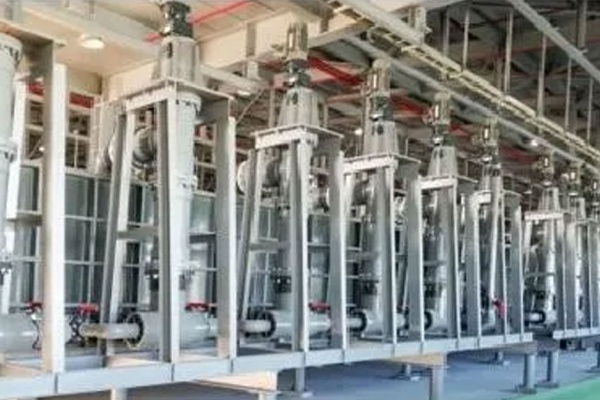
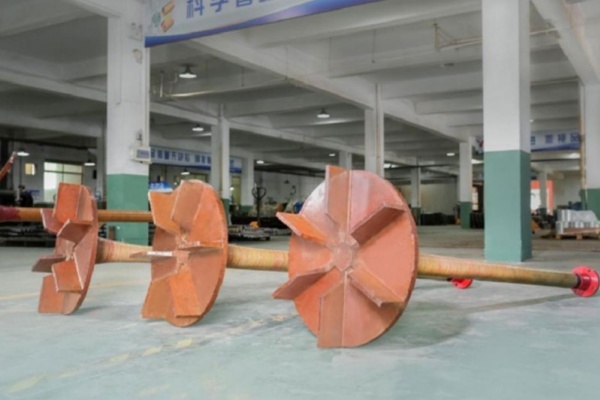
High-efficiency extraction equipment plays a critical role in metal recovery. Technologies such as extracteurs mélangeurs tubulaires improve liquid-liquid extraction performance, ensuring higher purity and stable processing efficiency. These systems are widely used in nickel, cobalt, and lithium recovery operations.
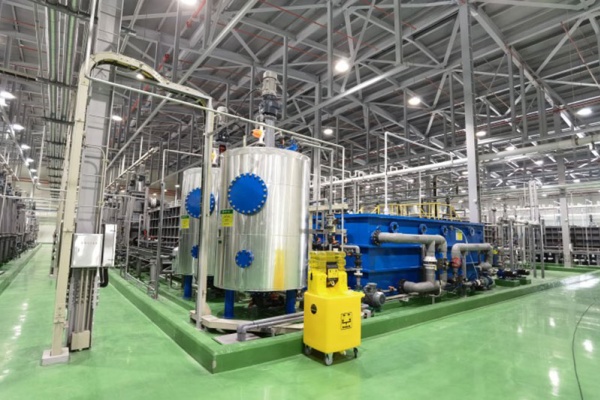
Wastewater and Waste Gas Treatment
Battery recycling generates complex industrial emissions that require professional treatment solutions.
Les principaux avantages sont les suivants :
✔️ Reduced environmental pollution
✔️ Conformité aux normes internationales
✔️ Improved operational sustainability
✔️ Lower environmental risks
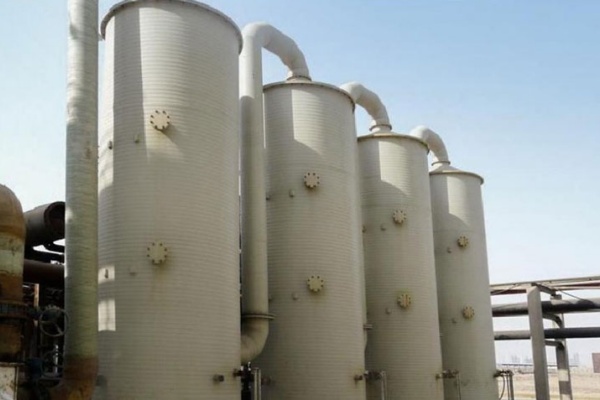
Advanced wastewater treatment systems help businesses comply with environmental standards while minimizing secondary pollution. Waste gas purification systems further reduce harmful emissions generated during recycling operations.
Corrosion-Resistant Storage Solutions
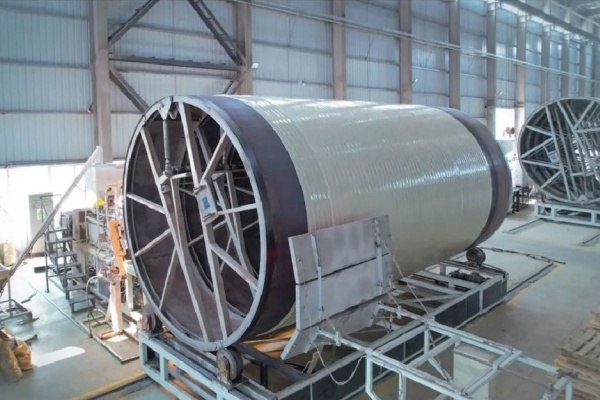
Chemical processing stages require reliable storage systems capable of handling corrosive materials safely. PPH and HDPE storage tanks are commonly used because of their excellent corrosion resistance, durability, and long operational lifespan.
Customized tank solutions also improve:
- Operational safety
- Process stability
- Plant efficiency
Benefits of Investing in Advanced Recycling Solutions
Businesses that invest in professional lithium battery recycling infrastructure gain both operational and strategic advantages.
Improved Resource Recovery
Efficient extraction systems maximize the recovery of valuable metals, increasing material utilization rates and improving overall profitability. Higher recovery efficiency also reduces dependence on fluctuating raw material markets.
Stronger ESG Performance
Environmental, Social, and Governance (ESG) requirements are becoming increasingly important across global supply chains. Sustainable recycling systems help businesses demonstrate environmental responsibility and strengthen partnerships with international customers and investors.
Long-Term Cost Stability
Recycled battery materials provide a stable secondary resource supply. As global demand for lithium and nickel continues to rise, recovered materials help companies reduce procurement risks and maintain production stability.
Conformité réglementaire
Advanced treatment systems help businesses meet strict environmental and safety regulations in international markets. Compliance reduces legal risks while improving brand reputation in the clean energy industry.
How Businesses Can Build an Effective Recycling Strategy
Developing a successful recycling operation requires more than purchasing equipment. Businesses should focus on integrated system planning and long-term operational efficiency.
Choose Customized Engineering Solutions
Every recycling facility has different processing requirements based on:
- Battery type
- Production capacity
- Local regulations
Customized engineering solutions help optimize equipment layout, process flow, and material selection for maximum efficiency.
Prioritize Equipment Reliability
Industrial recycling operations require stable and durable equipment capable of continuous operation in harsh environments. Corrosion-resistant materials and advanced manufacturing standards are critical for minimizing downtime and maintenance costs.
Work with Experienced Technology Providers
Partnering with experienced equipment manufacturers helps businesses access advanced recycling technologies and professional engineering support. Reliable suppliers can provide:
✔️ Process optimization
✔️ Installation services
✔️ Technical assistance
✔️ Long-term operational support
The Future of Lithium Battery Recycling
Global battery demand is expected to grow rapidly over the next decade, driven by:
- Electric vehicles (EVs)
- Renewable energy storage
- Industrial electrification
This growth will significantly increase the need for efficient recycling infrastructure.
Businesses that invest early in advanced recycling technologies will gain a competitive advantage through:
⭐ Stronger resource security
⭐ Improved sustainability performance
⭐ Greater operational resilience
⭐ Better international market competitiveness
As governments and industries continue prioritizing circular economy initiatives, lithium battery recycling will become a key foundation of the global clean energy transition.
Conclusion
Efficient recycling technologies help businesses recover resources, reduce environmental impact, and build sustainable competitiveness in the clean energy industry.
 Français
  English
  Deutsch
  Português
  Español
  Italiano